

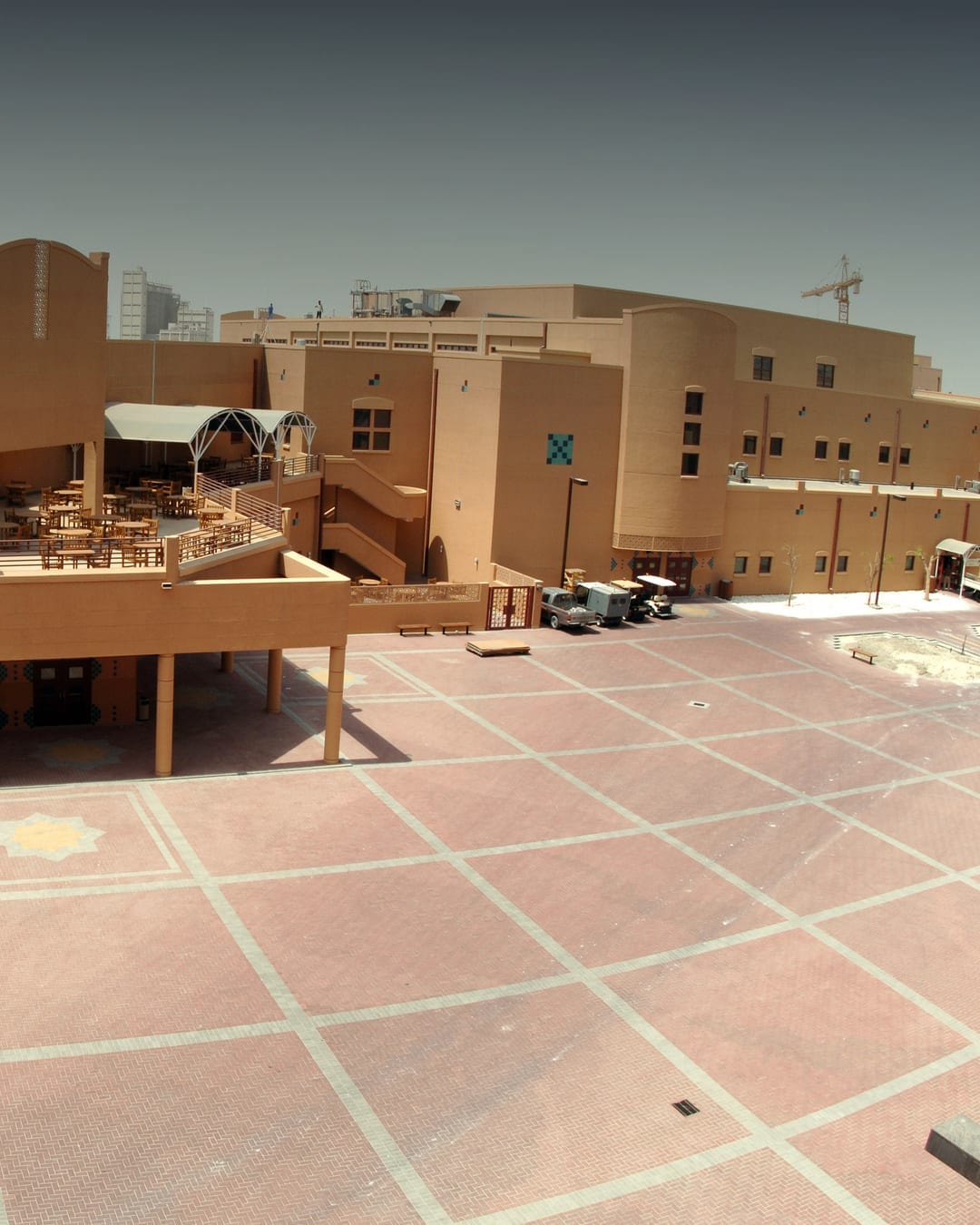
 Image: Naval Support Activity Bahrain installation services complex - U.S. Navy/Wikimedia Commons.
- Iran and regional reporting say missiles and drones were fired toward Bahrain and Kuwait after U.S. strikes on Iranian radar and air-defense sites.
- Bahrain said its air defenses repelled Iranian attacks; Kuwait also reported intercepting threats.
- CENTCOM said there were no reports of harm to U.S. personnel and called Iranian claims of damage to U.S. Fifth Fleet headquarters false.
The viral version is simple: Iran launched an attack on a U.S. military base in Bahrain. The sourced version needs more precision.
Iranian forces did launch or claim attacks toward U.S. base targets in the Gulf, including Bahrain, after the United States struck Iranian radar and air-defense sites near the Strait of Hormuz. But the public record does not yet support the stronger claim that Iran successfully damaged the U.S. Navy's Fifth Fleet headquarters in Bahrain or caused U.S. casualties.
What happened
The latest exchange followed the U.S. response to the downing of a U.S. Army AH-64 Apache near the Strait of Hormuz. Axios reported that American forces launched strikes against Iranian air-defense and radar systems on Tuesday evening, and that Iran's military then announced retaliatory strikes targeting U.S. bases in the region.
Axios said Iran's military named bases in Jordan and Kuwait, while a spokesperson for Bahrain's king said Bahrain's air defenses had repelled Iranian attacks. A U.S. official told Axios Iran fired at least four ballistic missiles and several drones in its initial response.
Earlier in the same escalation cycle, Al Jazeera and Reuters reported that CENTCOM said seven ballistic missiles were fired toward Kuwait and Bahrain, six were intercepted, and the seventh did not reach its target. Bahrain and Kuwait condemned the attacks as violations of sovereignty.
What the sources say
The Guardian, citing CENTCOM and agencies, reported that Bahrain said Iran fired ballistic missiles and drones at it and Kuwait. The report said air raid sirens rang out in Bahrain and people were told to move to safe locations. Kuwait's military said it was intercepting drones and missiles launched at the country.
The Guardian also carried the key damage caveat: CENTCOM said there were no reports of harm to U.S. personnel and that Iranian claims of damage to U.S. Fifth Fleet headquarters in Bahrain were false. That is the difference between "Iran attacked toward U.S. base targets" and "Iran hit or damaged the base."
Al Jazeera's account similarly said Kuwait and Bahrain condemned the missile and drone strikes, while Iran's IRGC described the attacks as retaliation for U.S. strikes. It reported that CENTCOM said six of seven missiles were intercepted and one did not reach its target.
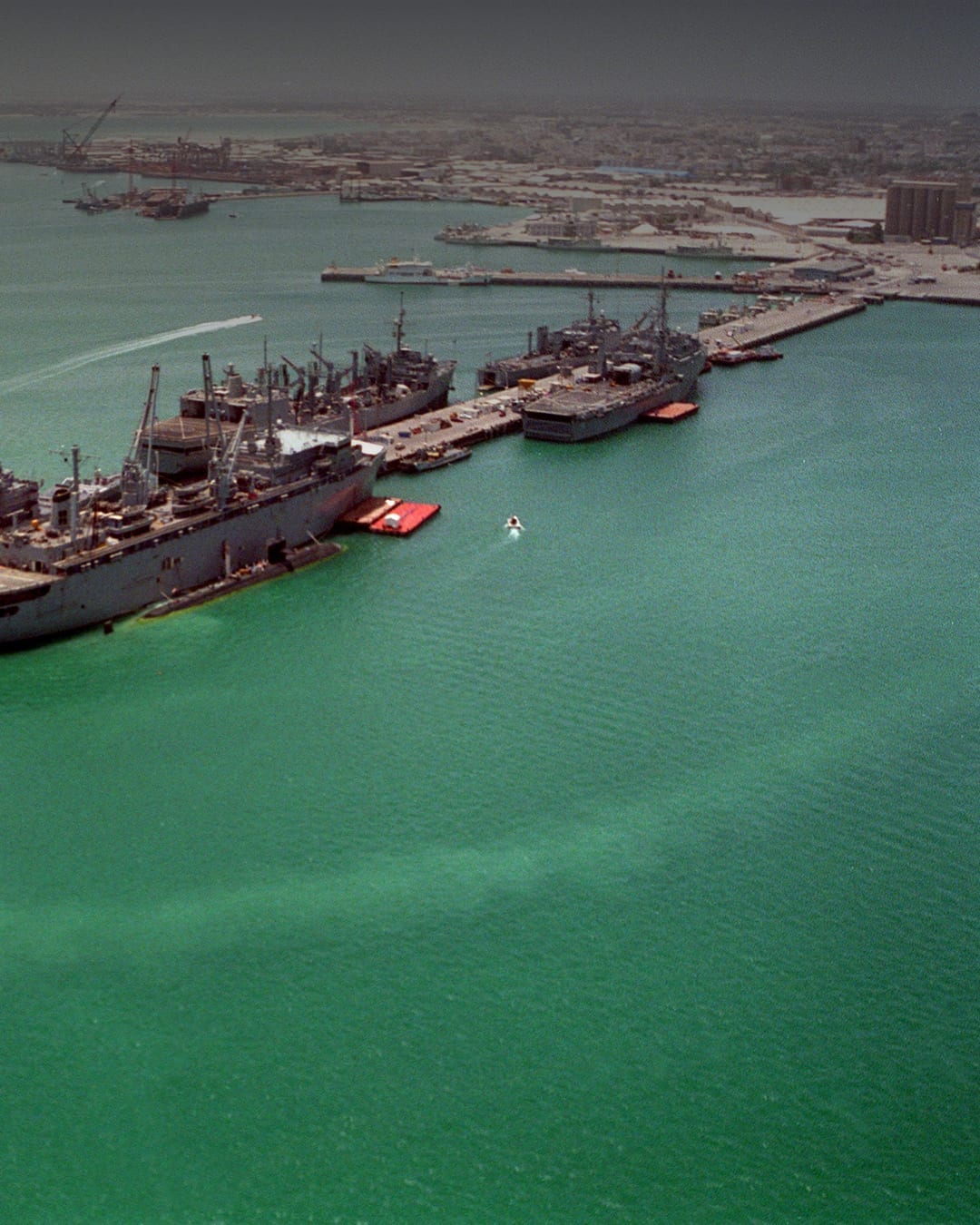 Image: U.S. Navy ships at Naval Support Activity Bahrain - U.S. Navy/Wikimedia Commons.
What is confirmed
Confirmed from current public reporting: Iran fired or claimed missile and drone attacks toward Gulf targets including Bahrain and Kuwait. Confirmed: Bahrain reported defensive action and air-raid warnings. Confirmed: the attacks came after U.S. strikes on Iranian radar and air-defense sites tied to the Hormuz escalation.
Also confirmed: Bahrain hosts U.S. Naval Forces Central Command and the U.S. Fifth Fleet at Naval Support Activity Bahrain. That makes any attack toward Bahrain a serious escalation, even if air defenses prevent damage.
What is not confirmed
Not confirmed: that a U.S. base in Bahrain was successfully hit, seriously damaged, or that U.S. personnel were harmed. The available CENTCOM line, as reported by the Guardian, says the opposite on personnel harm and rejects the Iranian damage claim about Fifth Fleet headquarters.
That does not mean the attack report is fake. It means the headline needs a verification boundary: Iran launched or claimed attacks toward U.S. base targets in Bahrain; successful damage claims remain disputed.
Why it matters
Bahrain is not a side location in this story. U.S. Fifth Fleet headquarters sits there, and the fleet is central to U.S. naval operations across the Persian Gulf, Red Sea, Arabian Sea and parts of the Indian Ocean. If Iranian strikes begin reaching those sites, the escalation ladder gets much shorter.
The timing also matters. Trump is still publicly pushing the idea that a broader deal can end the Iran conflict, while each U.S.-Iran exchange makes diplomacy harder. Missile and drone launches toward Gulf states widen the risk beyond the Strait of Hormuz and pull host countries deeper into the crisis.
What to watch next
Watch for CENTCOM's full battle-damage assessment, Bahrain's follow-up statement, any verified images from Manama, and whether Iran publishes target details that can be independently checked. The most important question is whether this remains an intercepted retaliation or becomes a confirmed strike on a U.S. facility.
NoDechev rating: attack toward Bahrain confirmed by public reporting; damage to U.S. Fifth Fleet headquarters not confirmed and publicly disputed by CENTCOM.
Ready social post
Iran launched or claimed attacks toward U.S. base targets in Bahrain after U.S. strikes near Hormuz. Bahrain says air defenses repelled attacks, and CENTCOM says Iranian claims of damage to Fifth Fleet headquarters are false.
Read next: the Apache incident that triggered the exchange