

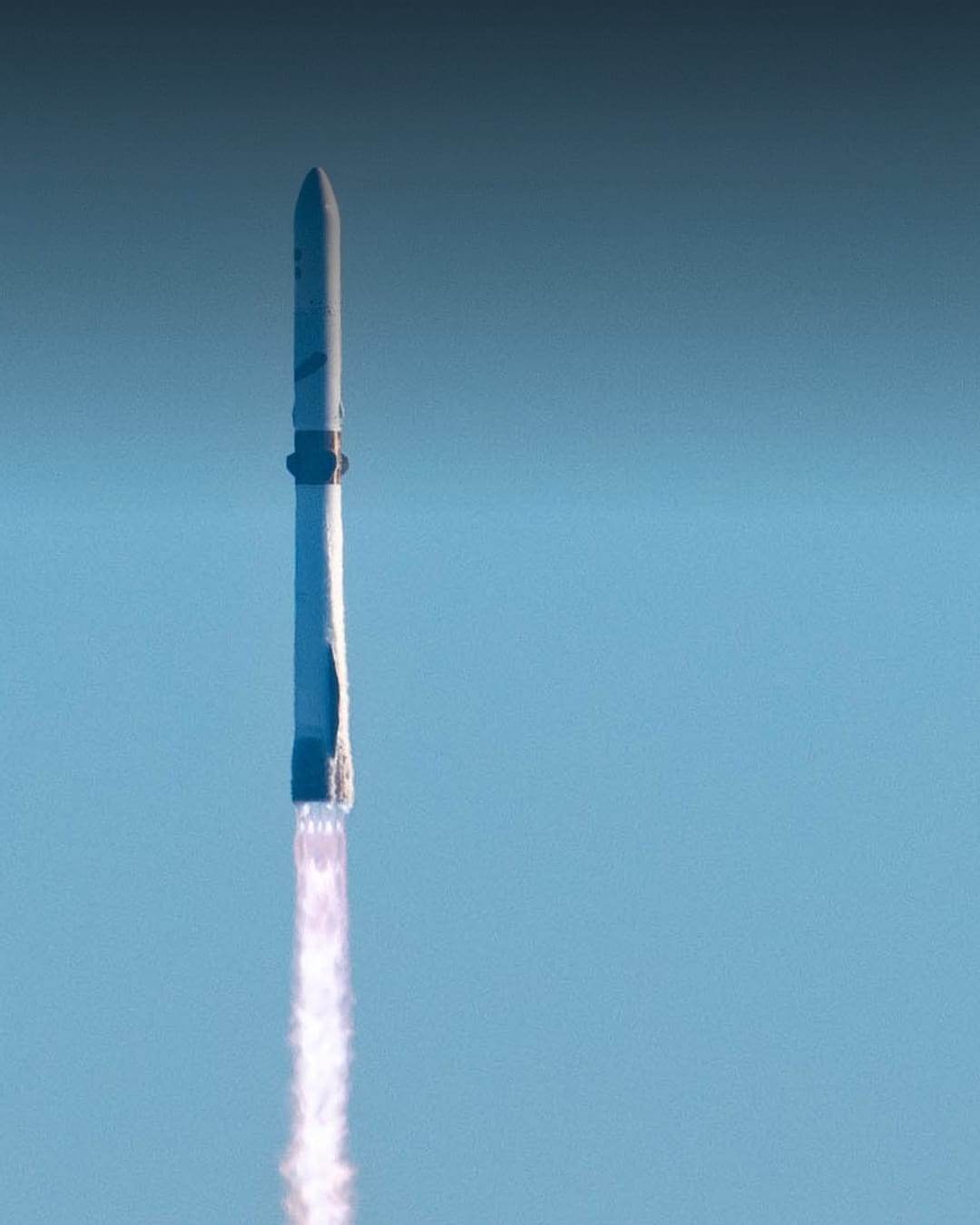
 Image: New Glenn launching from Space Launch Complex 36 on Nov. 13, 2025 - U.S. Space Force / Senior Airman Samuel Becker, public domain.
- Blue Origin's New Glenn rocket exploded during a static fire, or hotfire, test at Launch Complex 36 in Cape Canaveral, Florida.
- Blue Origin said all personnel were accounted for; AP reported no injuries, citing Cape Canaveral Space Force Station officials.
- The root cause is not public yet. Treat early claims about exact failure mode or final pad damage as unconfirmed until the investigation catches up.
Blue Origin's New Glenn rocket exploded at Launch Complex 36 during a static fire test attempt on Thursday night, turning a pre-launch engine test into a major setback for the company's heavy-lift rocket program.
The company acknowledged the event publicly, saying it experienced an anomaly during the hotfire test and that personnel had been accounted for. The Associated Press reported that no one was hurt, citing officials at Cape Canaveral Space Force Station.
What happened
New Glenn was on the pad for a static fire test, the kind of pre-launch procedure where the rocket is held down while its engines are ignited. The test was tied to preparations for a coming mission, with multiple outlets reporting that Blue Origin had been preparing another New Glenn launch in the near term.
Instead, videos from spaceflight livestreams and local observers showed a large fireball at the Florida launch site. AP reported the blast shook nearby homes and briefly lit the sky orange. Ars Technica, TechCrunch and local Florida media also reported the event shortly after it happened.
What is confirmed
The confirmed core is narrow but important: New Glenn suffered a destructive failure during an engine-firing test at LC-36; Blue Origin has acknowledged an anomaly; personnel were accounted for; and no injuries were reported in the first official accounts.
What is not confirmed yet is the root cause. Early video analysis may point to visible sequences in the failure, but that is not the same as an engineering finding. The investigation will need to separate engine behavior, ground systems, propellant loading, vehicle structures and pad infrastructure.
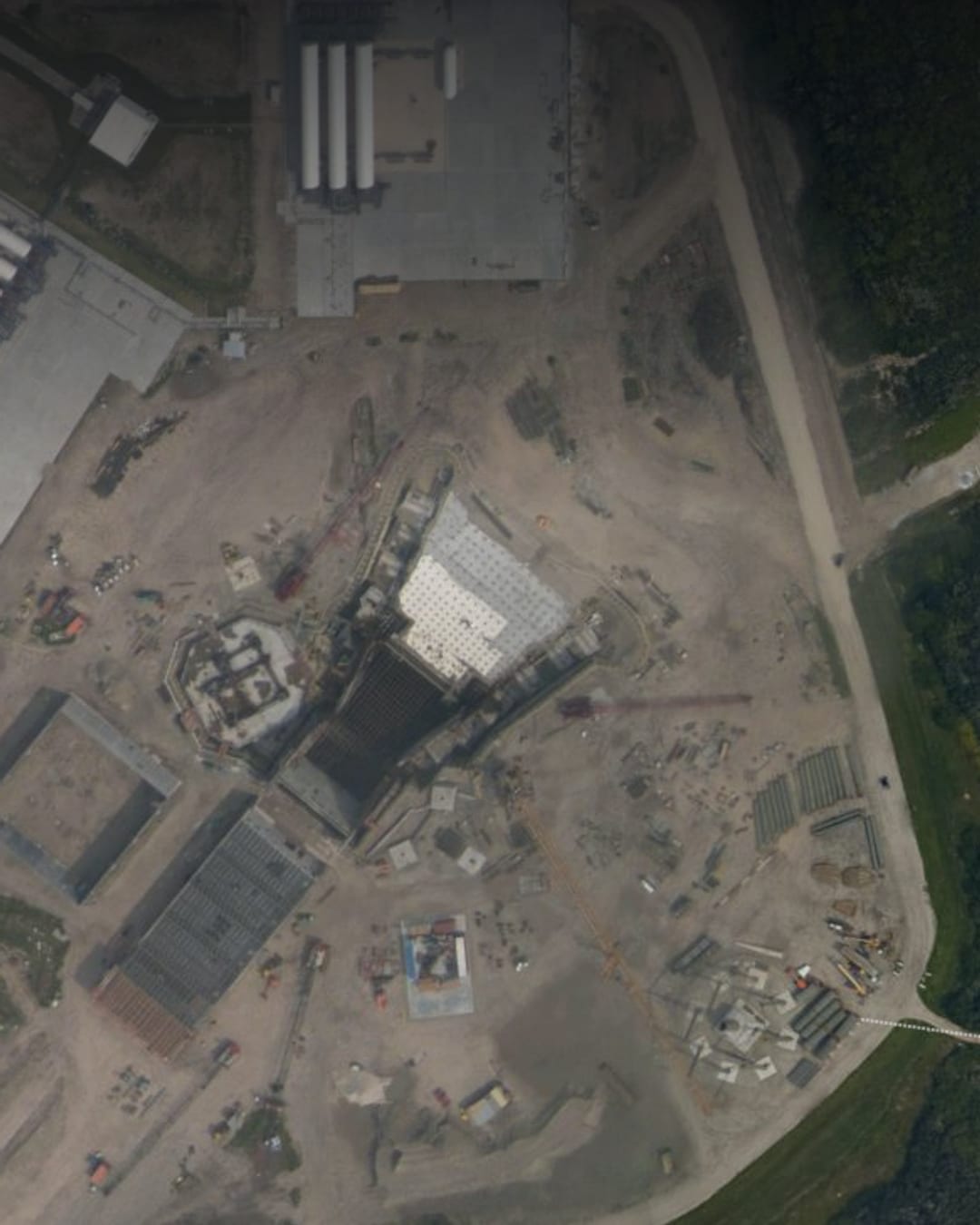 Image: Aerial view of Launch Complex 36 at Cape Canaveral - Wikimedia Commons.
Why it matters
New Glenn is not a small experimental vehicle. It is Blue Origin's large orbital rocket, built to compete in commercial, national-security and deep-space launch markets. A failure on the pad matters differently from a flight anomaly because the vehicle is not the only asset at risk; the launch mount, towers, propellant systems and nearby ground infrastructure can become part of the recovery timeline.
That is the strategic signal. A destroyed rocket is expensive, but a damaged launch complex can be more painful because it can pause every mission that depends on that pad. LC-36 is Blue Origin's New Glenn launch site at Cape Canaveral, so the next question is how much of the pad system remains usable after safety teams complete inspections.
The timing is rough
The explosion comes after a difficult spring for New Glenn. AP reported last month that the rocket had been grounded after an April mission left a satellite in the wrong orbit, with the FAA requiring an investigation before return to flight. Blue Origin had only recently been moving back toward another launch campaign.
That background makes the static-fire failure more than a viral video. It interrupts momentum just as Blue Origin was trying to prove New Glenn could move from rare demonstration flights toward routine launch operations.
What to watch next
The first signal is Blue Origin's official damage assessment: whether LC-36 suffered limited damage or a long rebuild problem. The second is FAA posture, because a destructive ground-test anomaly tied to an orbital launch system can trigger scrutiny before another attempt. The third is customer impact, including any payloads that were depending on the next New Glenn window.
For now, the clean read is simple: the explosion is real, no injuries were reported, and the cause is unknown. The bigger story is whether this becomes a short investigation and hardware replacement, or a launch-site recovery that pushes New Glenn's operational ramp much further out.
NoDechev rating: verified developing event. The explosion and Blue Origin anomaly statement are confirmed; root cause and final pad-damage scope remain under investigation.
Also Read
New Glenn's setback lands in a broader launch-market race where reliability, cadence and pad recovery matter as much as raw lift capacity.
Read the platform strategy brief