
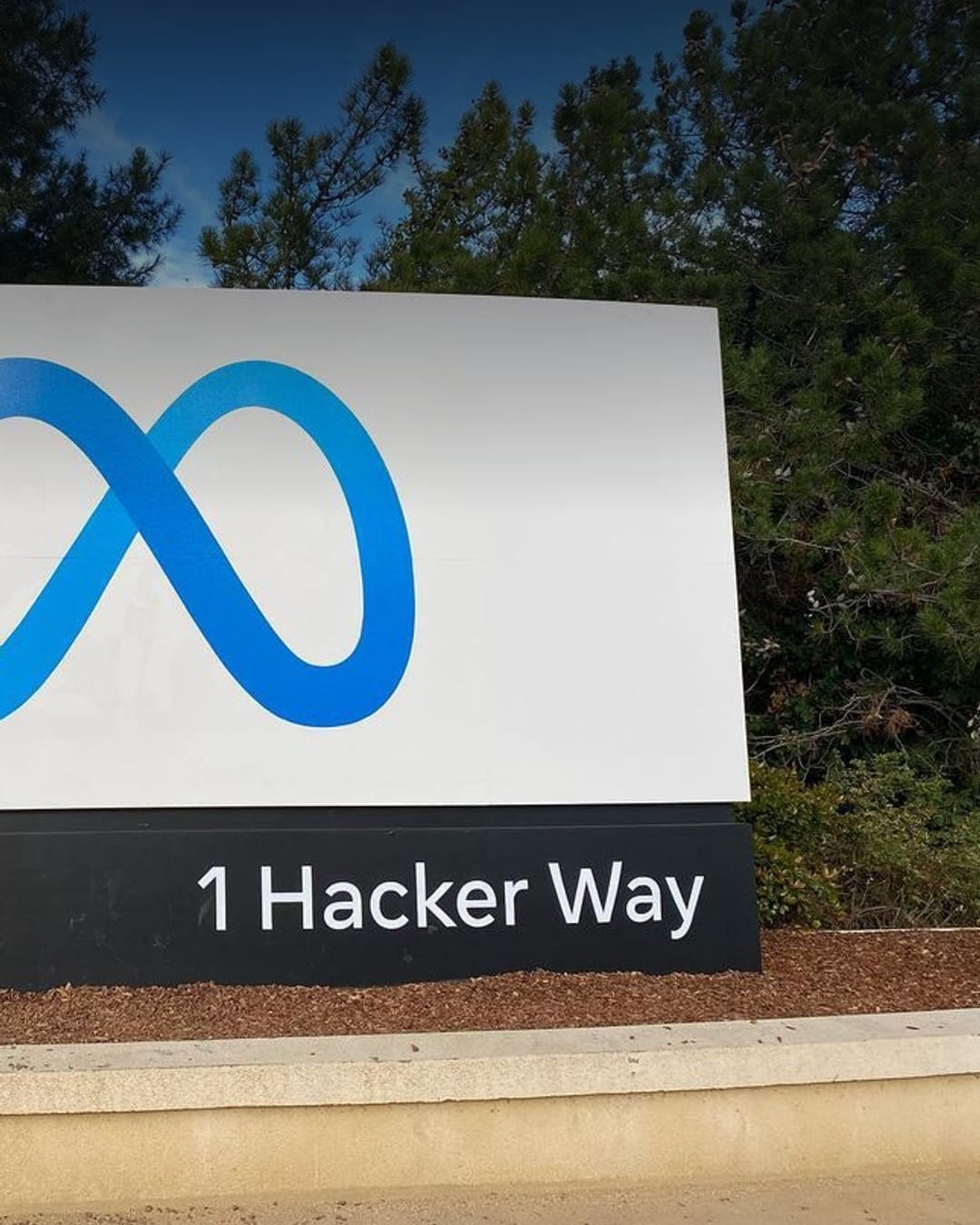
 Photo: Meta headquarters sign in Menlo Park - Wikimedia Commons
- Meta is rolling out paid Instagram Plus, Facebook Plus and WhatsApp Plus plans globally.
- The reported prices are $3.99/month for Instagram Plus and Facebook Plus, and $2.99/month for WhatsApp Plus.
- Meta is also testing broader Meta One plans for AI users, creators and businesses.
Meta is rolling out paid subscription plans across Instagram, Facebook and WhatsApp, adding a new consumer layer to apps that have historically been monetized mainly through advertising.
The new plans are not a replacement for the free versions of the apps. They are positioned as paid upgrades for users who want extra controls, personalization and audience features. But the move still matters: Meta is creating a recurring-revenue lane inside the same apps that already dominate social attention.
What happened
TechCrunch reported on May 27 that Meta is launching Instagram Plus, Facebook Plus and WhatsApp Plus globally. Instagram Plus and Facebook Plus are priced at $3.99 per month, while WhatsApp Plus is priced at $2.99 per month.
The consumer plans add features such as profile customization, enhanced reactions, story insights and other app-specific extras. Instagram Plus, for example, includes features around Story rewatch counts, additional audience lists, Story visibility tools and profile customization. WhatsApp Plus is more focused on messaging personalization, such as themes, ringtones, pinned chats and stickers.
What the data says
The important part is not only the price. It is the structure. Meta is beginning to separate free mass usage from paid power-user features, while keeping the core social apps available at no cost.
That is different from an ad-free privacy subscription, and it is also different from Meta Verified. TechCrunch reported that the Plus plans do not replace Meta Verified, which remains focused on verification, impersonation protection and account support.
 Image: Meta Platforms logo - Wikimedia Commons
Where Meta One fits
Meta is also testing a broader subscription umbrella called Meta One. According to TechCrunch and MacRumors, the company plans AI-focused tiers at $7.99 and $19.99 per month, with the higher tier offering more capacity for compute-heavy AI tasks such as deeper reasoning and image or video generation.
Creator and business subscriptions are also being tested. Reported tiers include Meta One Essential at $14.99 per month and Meta One Advanced at $49.99 per month. Those plans are aimed less at casual users and more at people or brands trying to get visibility, analytics, scheduling tools, impersonation protection and stronger profile/link surfaces.
Why it matters
Meta still makes the bulk of its money from ads. Subscription revenue does not need to replace that business to be meaningful. It can give Meta a second monetization path for heavy users, creators, businesses and AI customers, especially as AI infrastructure costs rise.
The risk is subscription fatigue. Many users already pay for cloud storage, streaming, productivity tools and other AI services. Charging for extra social features may work for creators and businesses, but casual users may be harder to convert unless the features feel genuinely useful.
For creators, the sharper question is whether paid professional tiers become optional tools or soft pressure. If ranking, search placement, profile tools or follow prompts become meaningfully better for paying accounts, Meta's subscription push could change how visibility works across Instagram and Facebook.
What to watch next
Watch three things: whether Plus plans gain everyday users, whether Meta One becomes a serious creator/business bundle, and whether AI subscriptions expand beyond the early test countries.
The current source trail supports the narrower claim: Meta is launching paid Plus subscriptions for its main apps and testing wider Meta One plans. It does not mean Facebook, Instagram or WhatsApp are becoming paid-only services.
Bottom line: Meta is not ending free social apps. It is building paid layers on top of them, and those layers could matter most for creators, businesses and AI-heavy users.
Also Read
Another platform story where the exact monetization model matters.
Read: Kick Ad-Revenue Claim