

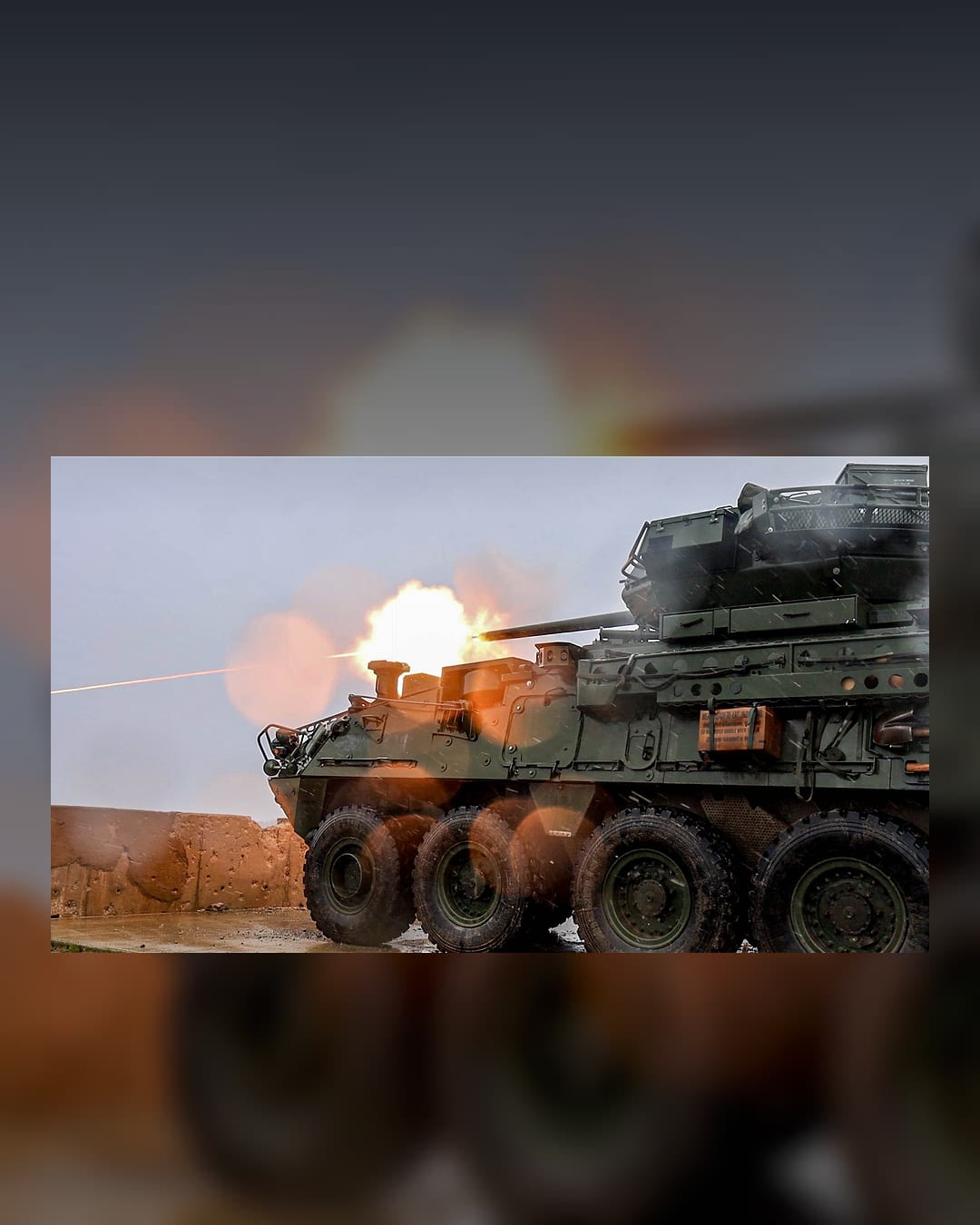
 Image: Saber Strike 24 on NATO’s eastern flank, Lithuania — U.S. Army / Wikimedia Commons, public domain
- Russia has repeatedly denied that it plans to attack NATO, calling the idea Western hysteria or “nonsense.”
- NATO is not saying an invasion is imminent; officials are warning that Russia could rebuild enough capability to threaten the alliance within several years.
- The alliance is responding with eastern-flank battlegroups, larger exercises, military mobility planning and sharply higher defense spending.
Russia says it has no plan to invade NATO. NATO says it cannot afford to plan as if Moscow’s denial is enough.
That is the core tension behind the alliance’s latest defense push. Publicly, Western officials are not presenting proof of an imminent Russian invasion order. Instead, they are preparing for a capability-based risk: if Russia rebuilds forces after Ukraine, it may be able to test NATO’s defenses within a few years.
What Russia says
Moscow has repeatedly dismissed claims that it intends to attack NATO or European Union states. Russian Foreign Minister Sergei Lavrov told the U.N. General Assembly that Russia “has never had and does not have” such intentions, while warning that aggression against Russia would be met with a decisive response.
President Vladimir Putin has also called claims that Russia wants to attack NATO “nonsense,” saying Russia has no reason or interest in fighting NATO countries.
Those denials are real. But NATO governments treat them against the backdrop of Russia’s invasion of Ukraine, its war economy and repeated warnings from eastern European intelligence services.
What NATO is preparing for
NATO Secretary General Mark Rutte has warned that Russia could be ready to use military force against the alliance within a five-year window if the allies do not accelerate defense production and readiness.
The warning is not framed as “Russia will invade tomorrow.” It is closer to: Russia is producing weapons, drones, missiles and armored vehicles at a scale that could create a dangerous window unless NATO rebuilds deterrence quickly.
That is why NATO’s preparations are moving on several tracks at once: more troops forward, faster reinforcement plans, larger exercises, stronger air defense and higher defense spending.
The eastern flank build-up
NATO says it now has eight multinational battlegroups across its eastern flank: Bulgaria, Estonia, Hungary, Latvia, Lithuania, Poland, Romania and Slovakia. They are designed to deter attack, integrate allied forces and buy time for larger reinforcement if a crisis begins.
The alliance has also run major exercises such as Steadfast Defender 2024, described by NATO as its largest exercise since the Cold War, to test transatlantic movement of troops and equipment.
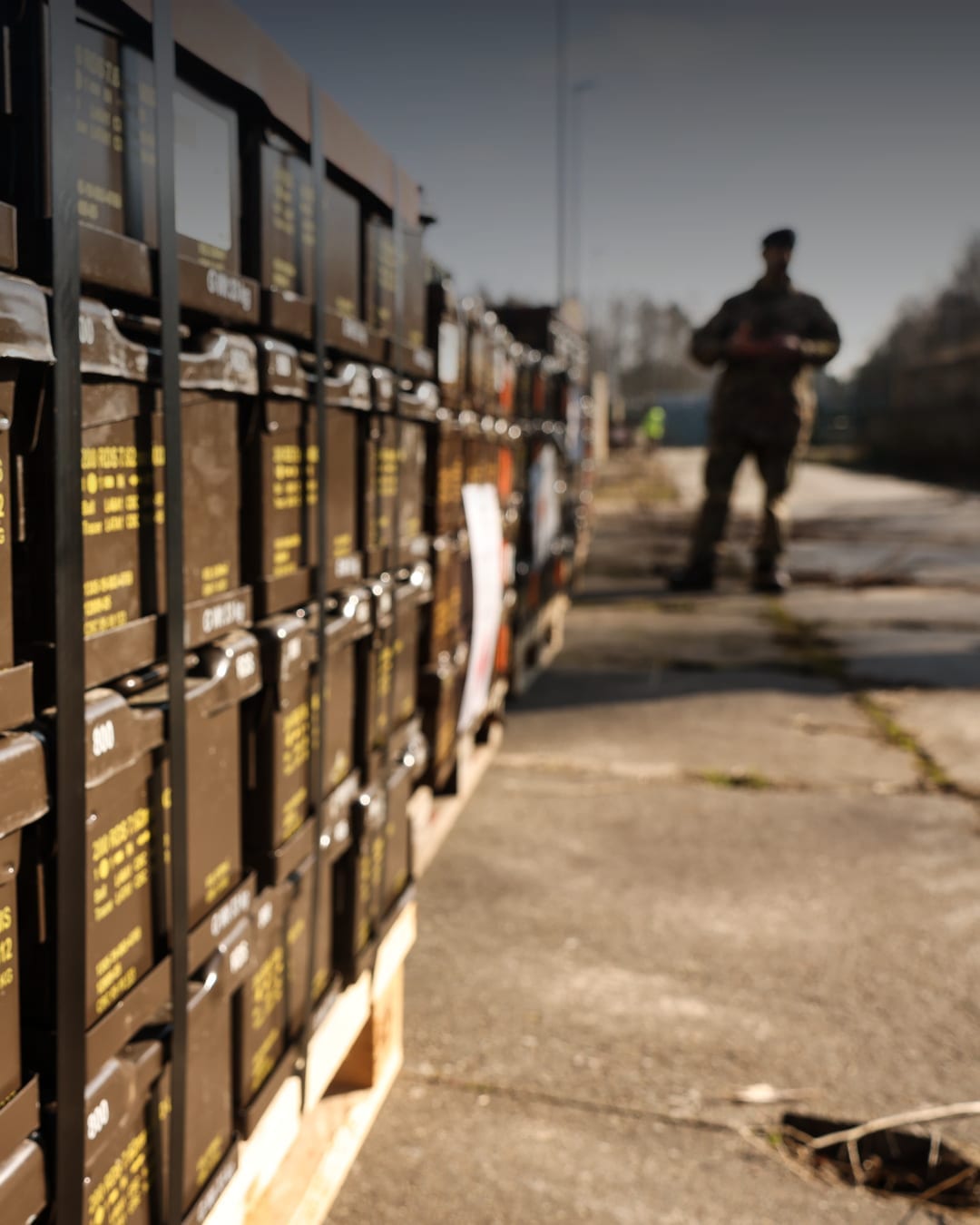 Image: NATO Exercise Steadfast Defender 2024 in Poland — Corporal Rebecca Brown / UK MOD, Open Government Licence 3.0
The unglamorous problem: moving fast
One of NATO’s biggest concerns is not only whether it has troops, but whether it can move them quickly across Europe.
Military mobility has become a major focus: roads, bridges, rail capacity, border permissions and bureaucracy can all slow reinforcement. EU and NATO planning increasingly treats transport infrastructure as part of deterrence, not just logistics.
If a crisis happened on the eastern flank, the question would be whether heavy equipment could reach the right place before Russia created facts on the ground.
Spending is rising
NATO says all 32 allies met or exceeded the 2% of GDP defense spending target in 2025, a major change from 2014, when only a handful did. The alliance has also backed a new long-term commitment to reach 5% of GDP in defense and security-related spending by 2035.
Those numbers show the scale of the shift. Europe is no longer treating Russian aggression as a temporary Ukraine-only problem; it is rebuilding for a longer confrontation.
What is confirmed and what is not
Confirmed: Russia denies plans to attack NATO; NATO has strengthened its eastern flank; allies are raising defense spending and running large reinforcement exercises.
Confirmed as official assessment: multiple NATO and European officials warn Russia could become capable of testing the alliance within a 3–5 year or broader decade-long window, depending on the assessment.
Not confirmed: a public, definitive Russian plan to invade NATO or an imminent attack order.
NoDechev rating: verified context, not imminent-invasion proof. NATO is preparing because capability and intent can change faster than infrastructure, production and troop readiness.
Also Read
Another source-check on a fast-moving war and security claim.
Read: Ukraine Strike on Starobilsk Dormitory