

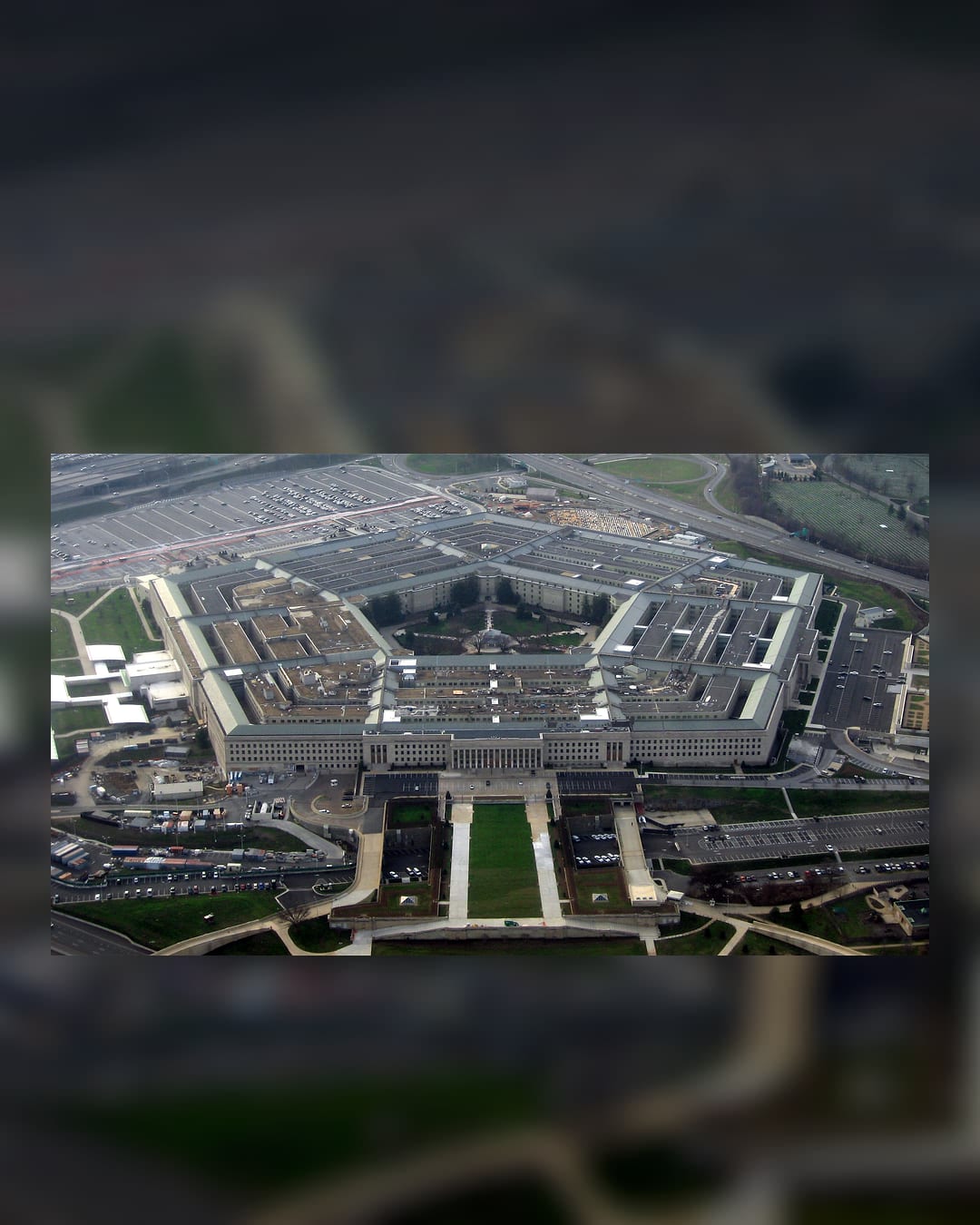
 Image: The Pentagon, January 2008 - Wikimedia Commons / public domain
- A divided U.S. Court of Appeals panel in Washington ruled that the Trump administration's transgender military policy illegally excluded service members based on gender identity.
- The ruling largely backs a March 2025 preliminary injunction from U.S. District Judge Ana Reyes, but narrows the relief to active-duty plaintiffs rather than people trying to enlist.
- The ban remains in effect for now because the appeals court put its own ruling on hold while further appeals play out.
A divided federal appeals court panel ruled Monday that the Trump administration's Pentagon policy illegally banned transgender troops from military service, according to the Associated Press.
The decision is legally important, but it does not mean the policy disappears today. The U.S. Supreme Court previously allowed the ban to take effect while litigation continues, and the D.C. Circuit panel kept Monday's ruling on hold to give the administration time to appeal.
What happened
The case came from a challenge brought by transgender service members and people seeking to join the military after President Donald Trump issued Executive Order 14183 in January 2025. The order directed the Defense Department to revise military standards around gender identity, medical care and service eligibility.
In March 2025, U.S. District Judge Ana Reyes in Washington blocked the policy for the plaintiffs, finding they were likely to succeed on constitutional claims. The Trump administration appealed that preliminary injunction.
On Monday, a three-judge panel of the U.S. Court of Appeals for the District of Columbia Circuit largely upheld Reyes' ruling. The panel split 2-1.
What the court said
The majority held that the policy was designed to exclude people from the military based on gender identity. Judge Robert Wilkins, joined by Judge Judith Rogers, wrote the core majority opinion, while Judge Justin Walker dissented.
The AP report says the panel concluded the injunction should be narrower than the district court had ordered. It would protect the plaintiffs who are already serving, but not the people who were seeking to enlist.
That distinction matters. The ruling is not a nationwide clean reversal of the policy. It is a major legal loss for the administration's reasoning, but the immediate practical effect is limited because the panel stayed its own decision.
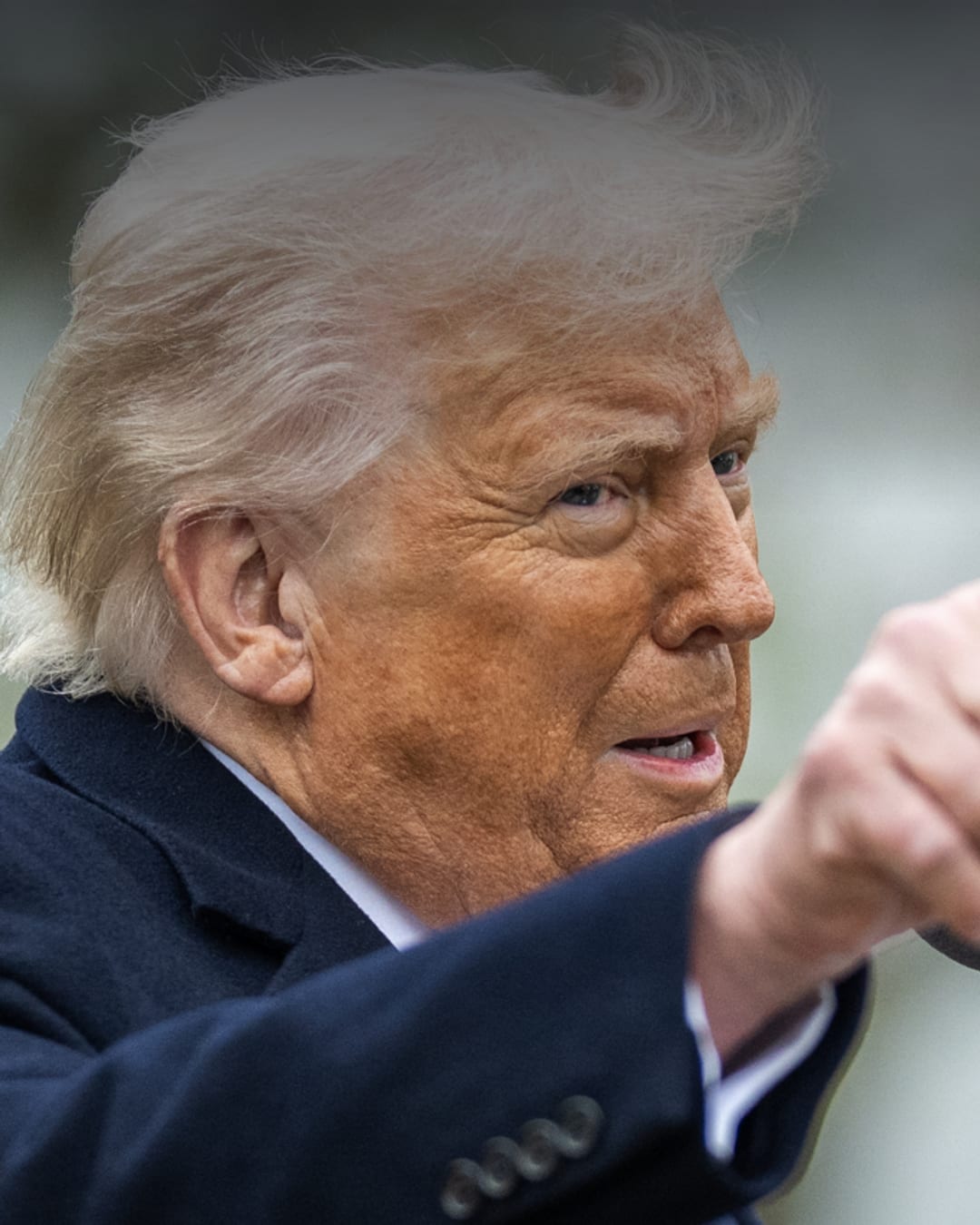 Image: Donald Trump signing a presidential document - Wikimedia Commons / White House
Why the policy was challenged
The administration's policy grew out of Executive Order 14183, titled "Prioritizing Military Excellence and Readiness." The order framed transgender service as a readiness and standards issue and told defense officials to align policy with the administration's sex-definition rules.
Defense Secretary Pete Hegseth then issued implementing guidance that treated gender dysphoria as presumptively disqualifying for military service, with separation procedures for affected service members.
Plaintiffs argued that the policy discriminated on the basis of sex and transgender status, violating the Fifth Amendment's equal-protection guarantees. The administration argued that courts should defer to the president and military leaders on service standards and readiness.
What is confirmed and what is not
Confirmed: a divided D.C. Circuit panel ruled against the administration's policy and largely upheld the lower-court injunction for active-duty plaintiffs.
Confirmed: the policy remains in effect for now because of the stay and the Supreme Court's earlier order allowing enforcement during litigation.
Not confirmed: a final Supreme Court outcome, a permanent nationwide block, or immediate reinstatement of open service rules for all transgender troops and applicants.
Why it matters
The decision lands at the center of the second Trump administration's broader effort to use executive authority to reshape federal gender policy. Military cases are especially hard because courts often give the political branches more deference on defense and readiness.
That is why Monday's ruling is notable: the majority still found the policy legally defective despite that deferential setting. But the stay also shows the story is not over. The administration can ask the full D.C. Circuit or the Supreme Court to intervene.
NoDechev status: court ruling against the policy, but not a final end to the ban. The strongest clean line is that the appeals panel found the policy unlawful while leaving enforcement in place pending appeals.
Also Read
Background on how presidential orders become agency policy and where courts can step in.
Read: How Executive Orders Work