

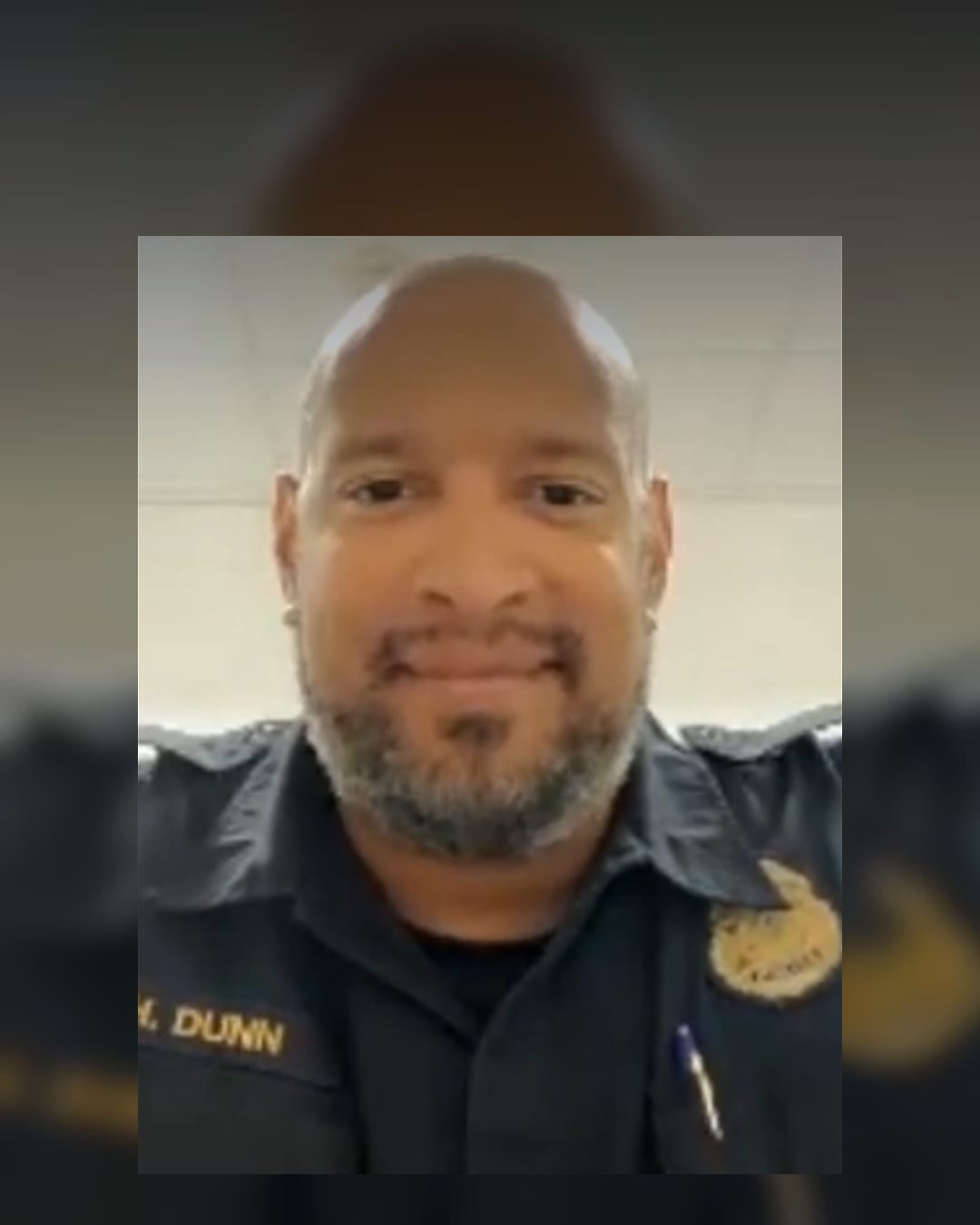
 Image: Harry Dunn, former U.S. Capitol Police officer — Rep. Jamie Raskin / Wikimedia Commons
- Former Capitol Police officer Harry Dunn and Metropolitan Police officer Daniel Hodges filed the lawsuit in federal court in Washington.
- The case targets the Justice Department’s $1.776 billion Anti-Weaponization Fund, created as part of the settlement of Trump’s IRS lawsuit.
- DOJ says the fund will hear claims from people who suffered “weaponization and lawfare”; the officers argue the structure is illegal and could pay Jan. 6 rioters.
The new legal fight is real: two officers who defended the U.S. Capitol on January 6, 2021, are asking a federal judge to stop the Trump administration’s nearly $1.8 billion “Anti-Weaponization Fund” before money starts moving out.
The plaintiffs are Harry Dunn, a retired U.S. Capitol Police officer, and Daniel Hodges, an officer with Washington’s Metropolitan Police Department. Both became publicly associated with the January 6 attack after testifying and speaking about the violence faced by police that day.
What happened
The lawsuit was filed in the U.S. District Court for the District of Columbia. It asks the court to declare the fund unlawful, block implementation, and reverse any Treasury-to-Justice Department transfers already made for the program.
The Justice Department announced the fund as part of a settlement in President Donald J. Trump v. Internal Revenue Service, the case Trump brought after the leak of his tax returns. Under the settlement, DOJ says Trump, Donald Trump Jr., Eric Trump and the Trump Organization receive a formal apology but “no monetary payment or damages of any kind.” In exchange, Trump agreed to drop the IRS lawsuit and withdraw two administrative claims tied to Mar-a-Lago and Russia-related investigations.
What the fund is supposed to do
According to DOJ’s own announcement, the Anti-Weaponization Fund will receive $1.776 billion from the federal judgment fund. It is supposed to provide a process for people who say they suffered “weaponization and lawfare” to seek formal apologies and monetary relief.
Acting Attorney General Todd Blanche said the department is creating “a lawful process for victims of lawfare and weaponization to be heard and seek redress.” DOJ says there are no partisan requirements to file a claim, the fund will have five members appointed by the attorney general, and any remaining money will revert to the federal government when the fund closes.
The political sensitivity is obvious: the fund is being created by the Trump administration after a settlement with Trump himself, using public money, and eligibility rules have not yet been publicly tested in court.
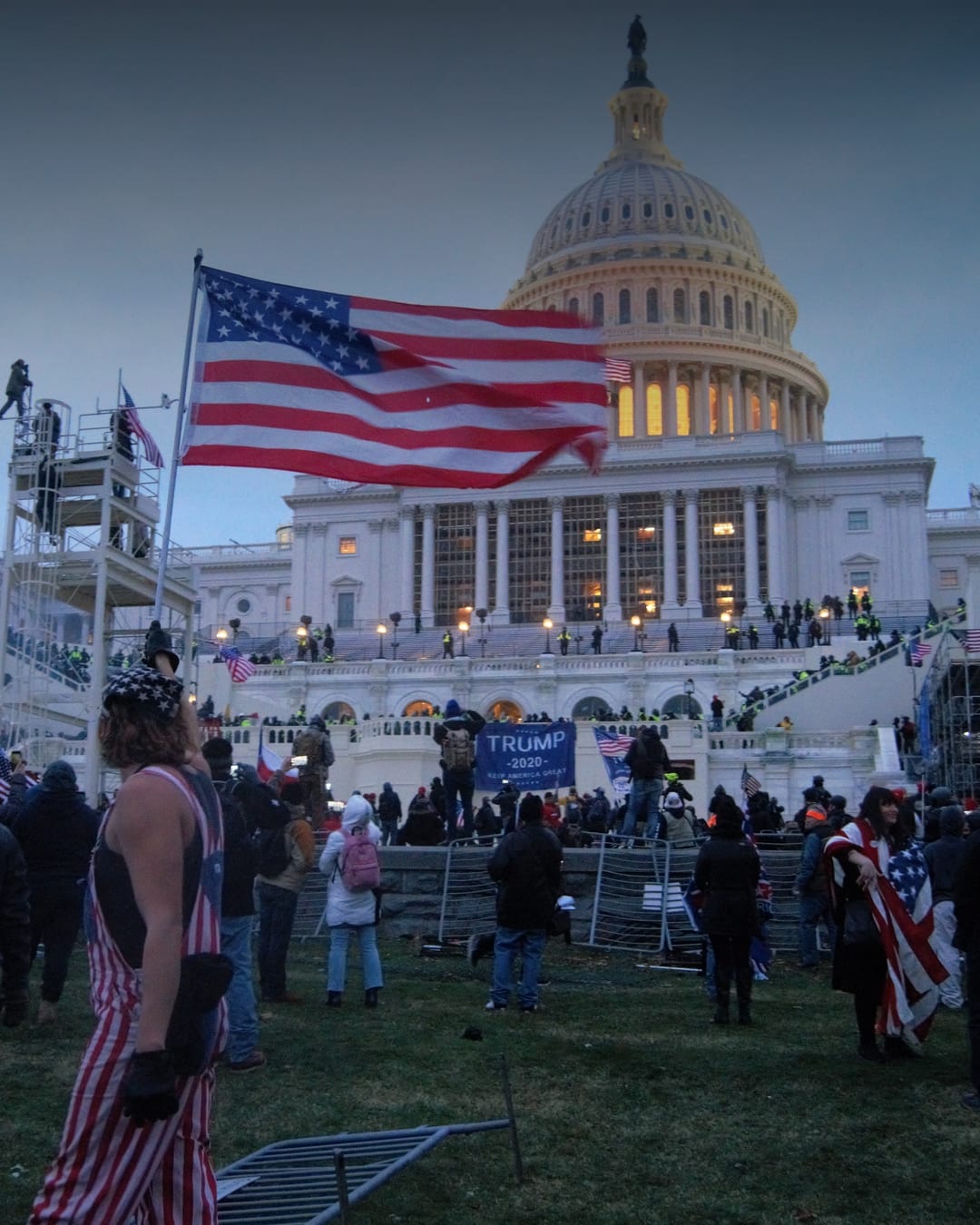 Photo: U.S. Capitol grounds during the January 6 attack — Tyler Merbler / Wikimedia Commons, CC BY 2.0
Why Dunn and Hodges object
The officers argue the fund is not a neutral claims process but a legally improper vehicle that could reward people involved in political violence. CBS News reported that the complaint specifically warns that claim criteria could allow payments to “Proud Boys and January 6 rioters.”
That is the core tension. DOJ has not said outright that people convicted for January 6 offenses, and later pardoned by Trump, would be barred from applying. The department has also not published a final cap, eligibility screen, or public list of excluded categories. Until those rules exist, the officers’ argument is aimed at the fund’s structure and foreseeable use, not just a single payout.
What is confirmed and what is still open
Confirmed: the DOJ announced a $1.776 billion fund; Dunn and Hodges filed a federal lawsuit seeking to block it; the fund is connected to the IRS-tax-return settlement; and major outlets including AP and CBS have reviewed the lawsuit and described the same basic claims.
Still open: whether a court will find the officers have standing, whether the judgment fund can lawfully be used this way, how DOJ will define eligible claimants, and whether any January 6 defendants or pardoned rioters would actually receive money.
Why it matters
This is not just another January 6 follow-up case. It is a fight over whether the executive branch can convert one presidential settlement into a broad public compensation system for politically framed grievances.
If the fund survives, it could become a major payout channel for Trump allies and others who say they were targeted by federal law enforcement. If the officers win an injunction, it would be the first major legal brake on the program and could force DOJ to defend the fund’s authority before any claims are paid.
NoDechev rating: confirmed. The lawsuit exists, the DOJ fund exists, and the unresolved question is whether courts will allow the $1.776 billion claims process to move forward.
Also Read
Another policy fight where the exact legal mechanism matters.
Read: Taiwan Arms Sales Are on “Pause” Over Iran Munitions Needs