
 Image: Iran Ministry of Foreign Affairs central building in Tehran - GTVM92 / Wikimedia Commons, CC BY-SA 4.0.
- Iranian media says a draft U.S.-Iran memorandum would release $24 billion in frozen Iranian assets during a 60-day negotiation period.
- Half of that amount - $12 billion - would reportedly be made available before negotiations begin.
- The dollar figure is important, but it is still reported draft language until Washington and Tehran publish matching official terms.
The latest U.S.-Iran deal story now has a specific money number attached: $12 billion up front, and $24 billion across a 60-day negotiation window.
That figure comes from Iranian state-linked reporting on a draft memorandum of understanding, not from a full public agreement released by both governments. The difference matters. A tentative peace framework can be real while the financial mechanics remain partly unverified.
What happened
The Guardian's live coverage reported Monday that Mehr news agency said the United States would release $12 billion in frozen assets to Iran before negotiations begin. Mehr described the figure as part of a 14-point memorandum of understanding tied to the broader U.S.-Iran peace track.
The Times of Israel, citing AFP, reported the same core draft: $24 billion in blocked Iranian funds would be released during a 60-day final negotiation period, with half made available before talks start.
That fits the broader direction of the tentative deal announced by Pakistan and confirmed by President Donald Trump, but it does not answer the hardest financial questions: where the funds are held, who controls disbursement, whether the money is unrestricted, and what Iran must do before each tranche moves.
What the sources say
Associated Press reported that a tentative agreement had been reached to end the Iran war and that implementation was expected to follow a formal signing in Switzerland. AP's framing is important because it treats the deal as tentative, not fully executed.
The Guardian's live file says the U.S. and Iran reached a tentative peace deal, while also noting unanswered questions around Hormuz, nuclear terms and the final agreement. Its $12 billion update explicitly attributes the asset-release detail to Iranian media.
Times of Israel's AFP item adds the key caution: the United States has said any release of Iranian funds would depend on Iran adhering to the deal and making concessions of its own.
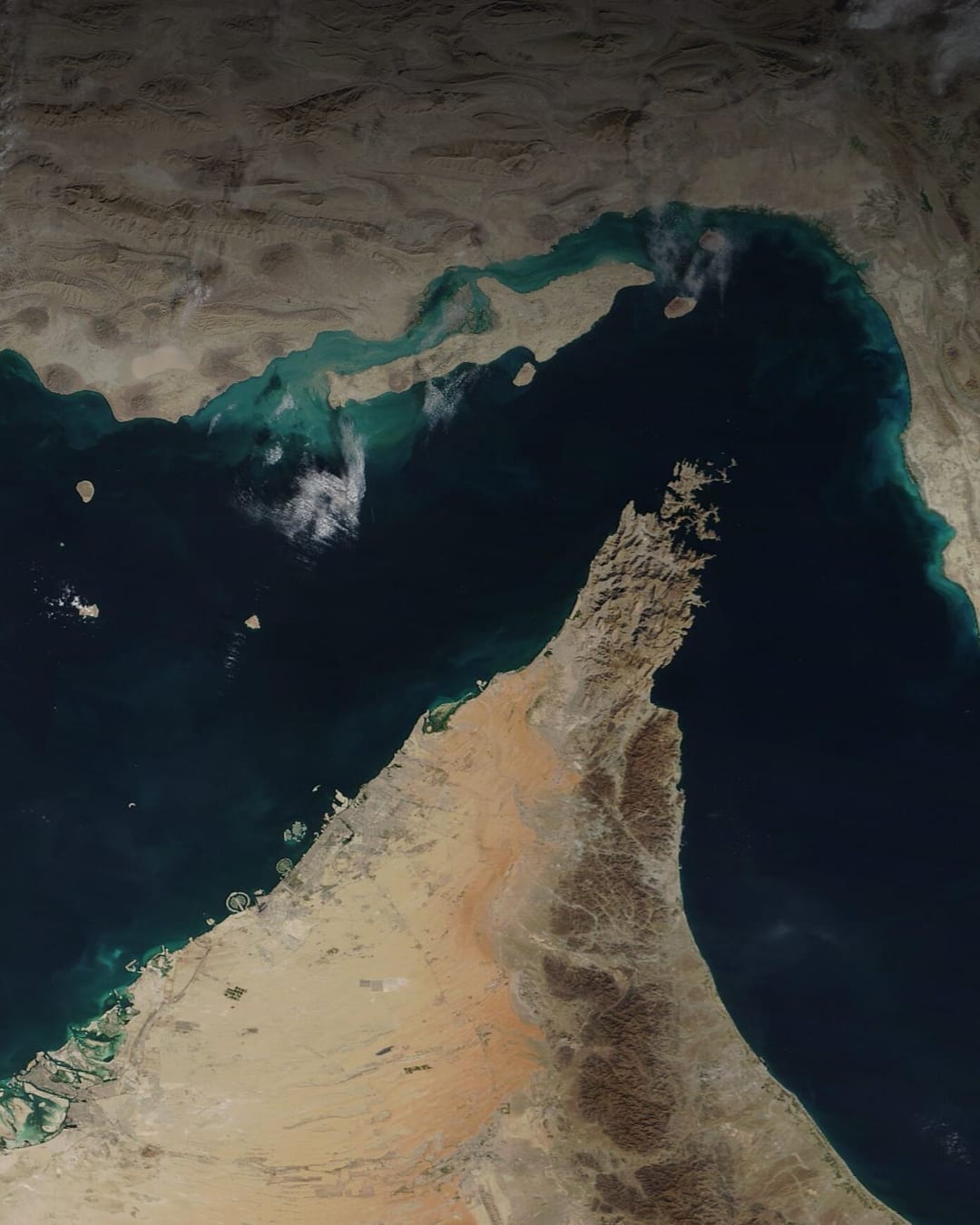 Image: Strait of Hormuz from NASA MODIS satellite data - NASA / Wikimedia Commons, public domain.
What is confirmed
Confirmed: a tentative U.S.-Iran agreement track is now being reported by major outlets, with Pakistan and Qatar involved in mediation. Confirmed: Trump has publicly framed the deal as complete and has authorized steps tied to reopening Hormuz and ending the U.S. naval blockade.
Confirmed: Iranian-media draft language says frozen assets are part of the package, with $12 billion reportedly available before talks and $24 billion across the negotiation period.
What is not confirmed
Not confirmed: a jointly published U.S.-Iran text spelling out the asset-release mechanism. Not confirmed: whether the money would be direct cash access, controlled humanitarian channels, oil-revenue access, bank transfers through a third country, or another restricted arrangement.
Also not confirmed: whether the $12 billion can move before Iran takes any verified steps, or whether "before negotiations" still depends on signing, ceasefire implementation, Hormuz reopening, nuclear commitments or another trigger.
Why it matters
Frozen assets are one of the main bargaining chips in the talks. For Tehran, access to money is proof that the U.S. is offering more than promises. For Washington, releasing funds too early risks giving up leverage before Iran's nuclear and regional commitments are locked down.
The number also changes the political fight in Washington. A $12 billion up-front release will be attacked as a concession unless the administration can show clear sequencing, controls and Iranian compliance. A conditional release, by contrast, gives Trump a way to claim both de-escalation and leverage.
What to watch next
Watch for the Geneva signing, a shared text, and matching language from U.S. and Iranian officials. The clean checkpoint is not another anonymous or state-media draft. It is a published mechanism: amount, account location, release trigger, permitted use and enforcement if either side breaks the deal.
NoDechev rating: reported draft term, not fully documented. The $12 billion figure is newsworthy, but the mechanism and final authority need a joint text or matching official confirmation.
Ready social post
Iranian media says a draft U.S.-Iran memorandum would make $12B in frozen assets available before negotiations begin. The key caveat: the amount is reported draft language, not yet a fully published joint mechanism.
Read next: How U.S. sanctions work