

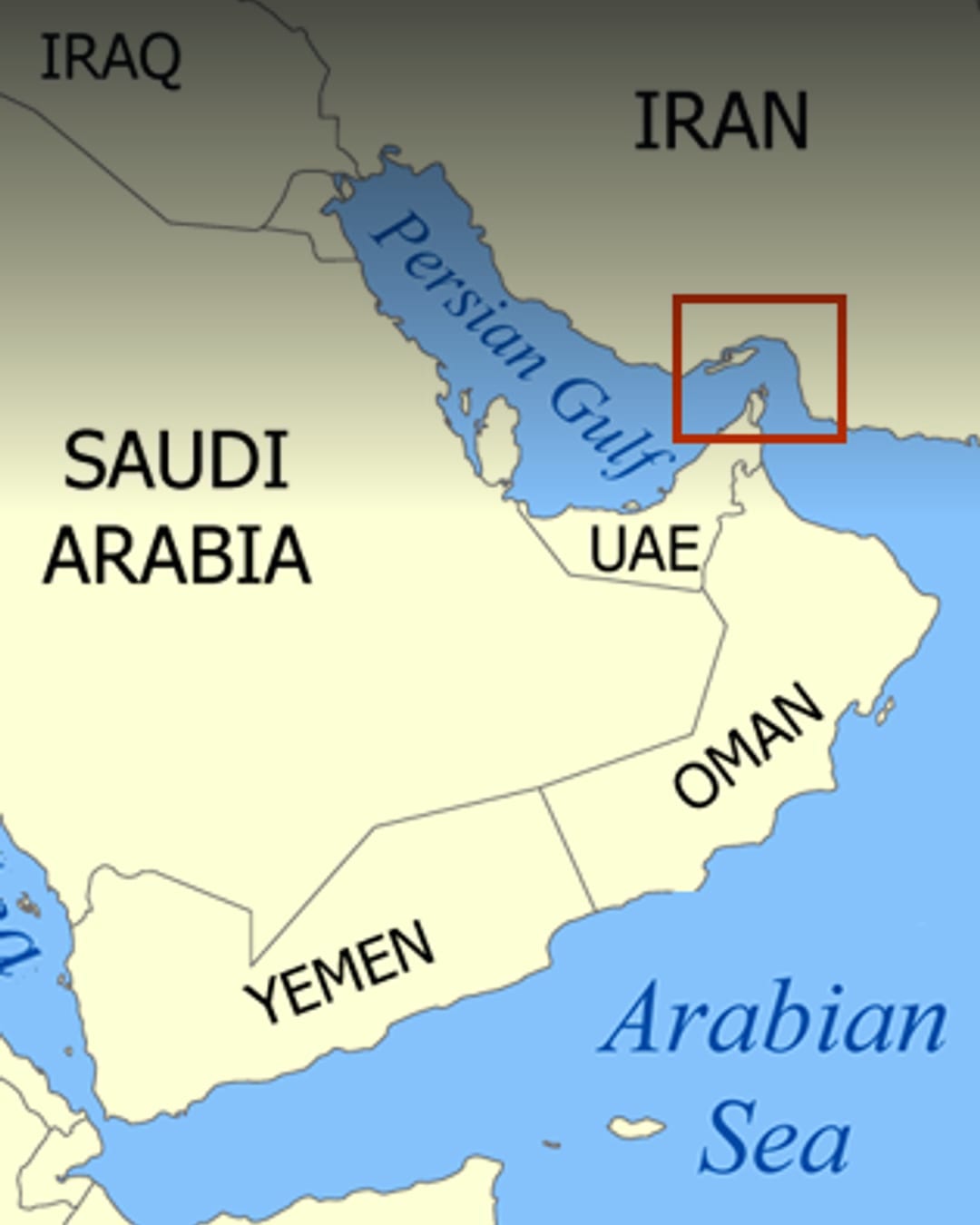
 Image: Map of the Strait of Hormuz - Wikimedia Commons.
- Fox News reports that a senior U.S. official says a deal framework would require Iran to reopen Hormuz with no transit fees.
- Trump separately said the strait would be open to all immediately after a deal is signed.
- Iran has not publicly confirmed the same timetable, so the precise status remains deal-framework reporting, not final implementation.
A senior U.S. administration official told Fox News that Washington believes a deal framework with Iran is taking shape that would require Tehran to reopen the Strait of Hormuz without charging transit fees.
The official said the U.S. blockade of Iranian ports would be lifted in conjunction with the reopening of the strait, and that a later phase would focus on demining operations in the waterway.
What the U.S. side is saying
According to the Fox live update, the official described the framework as a strong emerging deal and said Iran would reopen the strategic waterway with no tolls. That matters because transit fees and Iranian control over shipping access have been central points in the Hormuz standoff.
President Donald Trump also said Saturday that a deal was scheduled to be signed Sunday, June 14, and that the Strait of Hormuz would be open to all immediately afterward. That is the clearest public U.S. claim so far that reopening would follow directly from the deal-signing track.
The important caveat
This is not the same as an Iranian public confirmation that Hormuz has already reopened under final terms. Associated Press reporting says Iran's foreign ministry pushed back on the Sunday-signing timetable while leaving open the possibility of an agreement in the coming days.
So the clean version is: a U.S. official says the framework would reopen Hormuz without tolls, Trump says reopening follows signing, and Iran has not matched Washington's exact timing in public.
Why tolls matter
The Strait of Hormuz is one of the world's most important energy chokepoints. A formal or informal toll system would keep Iran's leverage alive even if ships resumed movement. A no-tolls condition would be a U.S. attempt to restore the waterway as an open international shipping route rather than a controlled payment corridor.
The reported sequencing is also important. Reopening would come first, then demining work would follow. That suggests the immediate political goal is access, while the longer operational goal is making commercial shipping safer and more predictable.
What to watch next
The strongest confirmation would be a signed agreement, matching public statements from Tehran and Washington, and maritime advisories showing normal commercial traffic through the strait. Shipping insurers, naval notices and tanker-tracking data will matter as much as political statements.
Until then, this remains a high-confidence U.S.-side framework report with a major implementation caveat.
NoDechev rating: confirmed U.S.-side report, implementation not yet confirmed. The key claim is about the terms of an emerging framework, not proof that the strait has already fully reopened.
Ready social post
A senior U.S. official says a developing Iran deal framework would require Tehran to reopen the Strait of Hormuz without charging transit fees, Fox reports. Key caveat: this is U.S.-side framework reporting; Iran has not publicly confirmed Washington's exact Sunday timetable.
Read next: the Hormuz demining track