

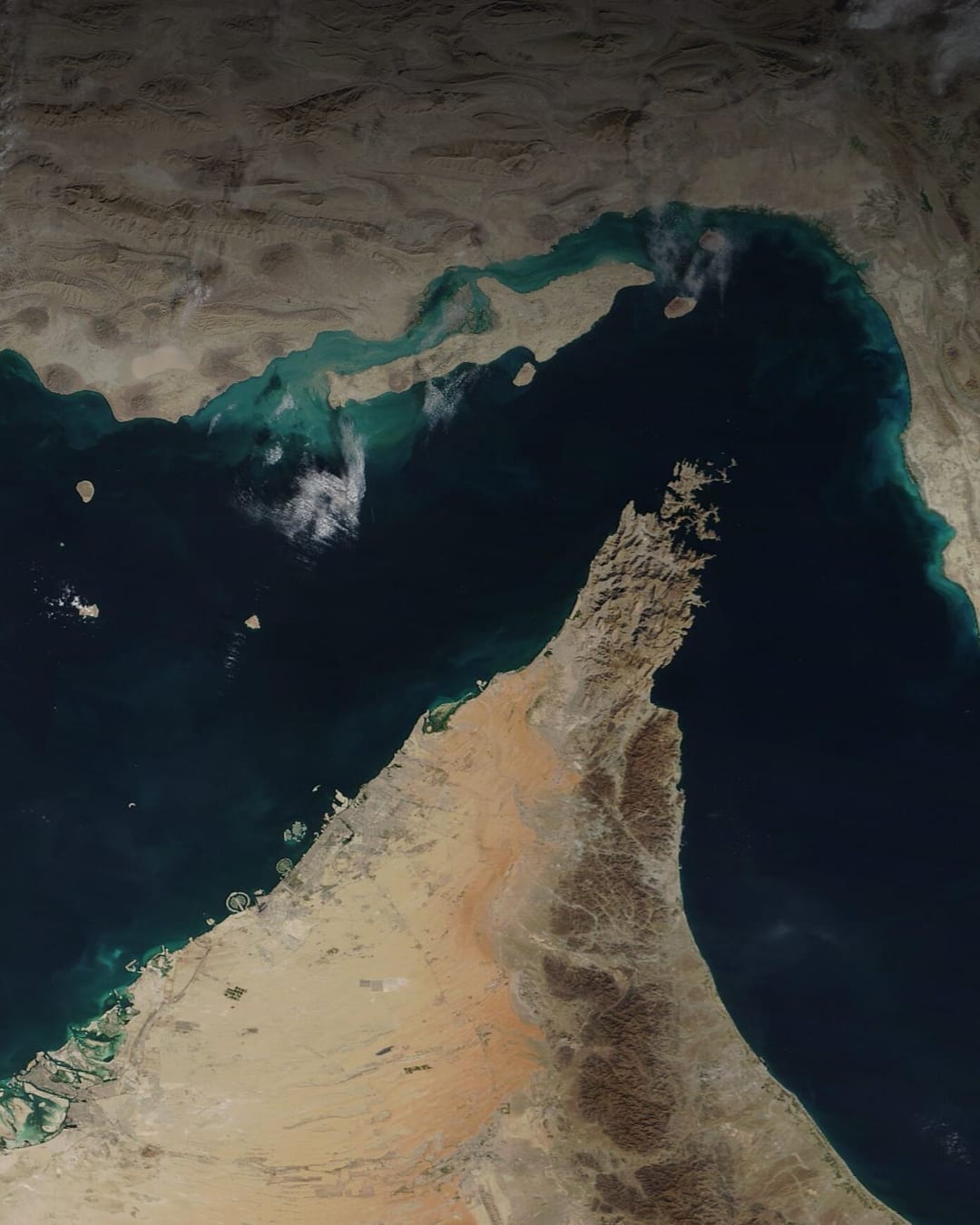
 Image: Satellite view of the Strait of Hormuz - NASA MODIS via Wikimedia Commons.
- The UK and France have been leading planning for a defensive multinational mission to reopen and secure the Strait of Hormuz.
- UK officials said the mission would protect merchant vessels, reassure shipping operators and support mine-clearance operations when conditions permit.
- The caveat: deployment depends on a sustainable ceasefire, written deal clarity and safe operating conditions, not only on Trump's claim that a deal is signed.
The UK and France are ready to take the lead on a maritime security mission in the Strait of Hormuz if the U.S.-Iran peace track turns into a workable ceasefire and reopening of the waterway.
The strongest official foundation is not a sudden social-media claim. It is the UK Ministry of Defence's earlier planning announcement: Britain and France convened military planners from more than 30 nations to turn diplomatic consensus into a military plan for reopening the Strait once hostilities end.
What is being planned
The mission is described as independent, strictly defensive and multinational. The intended tasks are to protect merchant vessels, reassure commercial shipping operators and conduct mine-clearance operations.
That is different from joining the war. The mission is framed as a post-ceasefire freedom-of-navigation operation, not a strike campaign against Iran.
Why the timing matters now
Trump has claimed that the U.S.-Iran deal is signed and that the Strait will reopen. European leaders have been more cautious, asking to see written terms and a stable ceasefire before fully committing forces.
Recent reporting says France and Britain are preparing to move within days if the terms are confirmed. Macron has signaled support for helping secure the Strait, while also insisting on written confirmation of the ceasefire and reopening terms.
What is confirmed
Confirmed: the UK and France have led multinational planning for a Hormuz mission; UK official statements describe a defensive maritime plan tied to conditions permitting after a sustainable ceasefire; more than 30 nations were expected in planning talks.
Also confirmed: the mission concept includes merchant-vessel protection, reassurance for shipping operators and mine-clearance operations.
What is not confirmed
Not confirmed: that a UK-French force has already deployed into the Strait under the new deal, that all participating countries have committed ships, or that Iran has accepted every operational detail of the mission.
Also not fully public: the final signed U.S.-Iran text, the rules of engagement, the command structure, and the exact role of Italy, the Netherlands or other supporting countries.
Why it matters
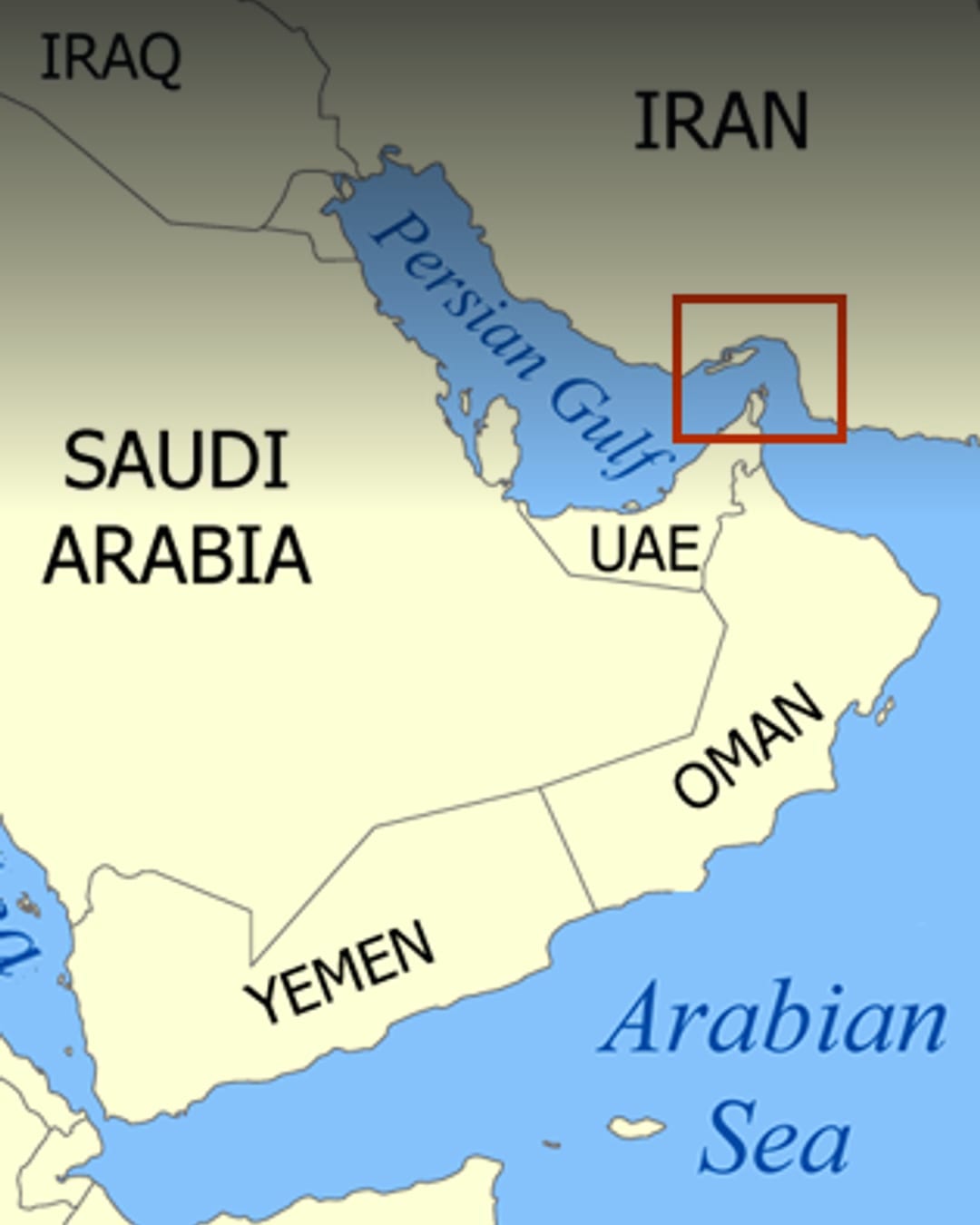
The Strait of Hormuz is the narrow passage between the Persian Gulf and the Gulf of Oman. It is one of the world's most important oil and LNG transit routes, so even a partial closure or mine threat can ripple through energy prices and insurance markets.
A UK-French-led mission would be politically useful for Washington because it internationalizes the reopening effort. It would also be useful for European governments because they can frame it as defensive maritime protection rather than participation in U.S. escalation.
What to watch next
The next checkpoint is the written agreement and whether Iran publicly accepts foreign naval security activity near the Strait. Then watch actual force movements: ships, mine-countermeasure vessels, maritime patrol aircraft, command headquarters and participating-state lists.
NoDechev rating: confirmed planning, conditional deployment. UK-France leadership of the Hormuz mission is real; the claim becomes overstrong if treated as a fully active mission before ceasefire terms and deployments are public.
Ready social post
UK-France Hormuz mission: real planning, conditional deployment. The official line is a defensive multinational mission to protect shipping and clear mines once conditions permit after a sustainable ceasefire. Not the same as saying ships are already fully deployed.
Read next: What is the Strait of Hormuz?