
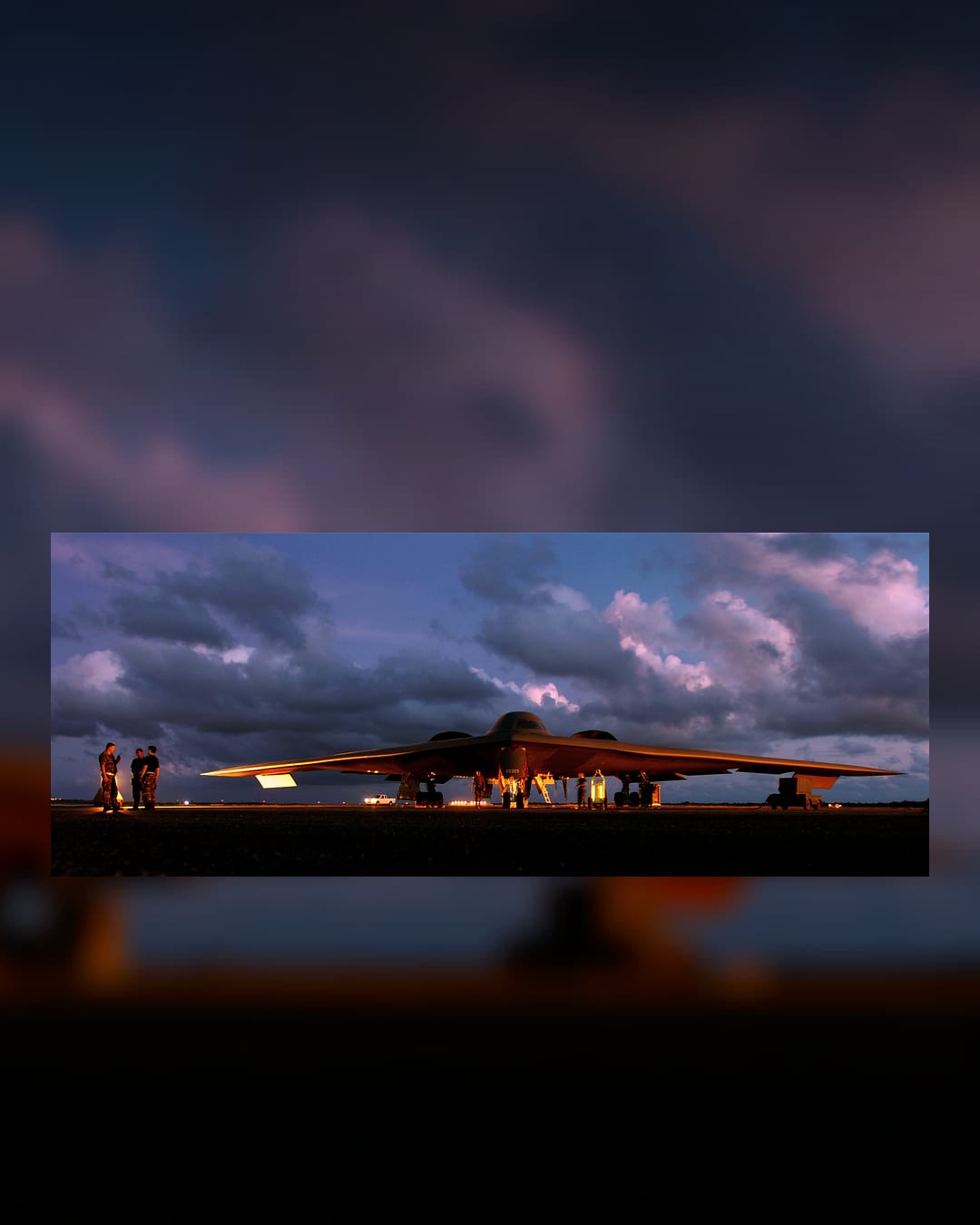
 Image: U.S. Air Force B-2 Spirit bomber at Andersen Air Force Base - Master Sgt. Val Gempis / U.S. Air Force / Wikimedia Commons, public domain.
- Trump told reporters the U.S. is "going to be attacking" Iran "very hard."
- The remark followed a U.S. helicopter incident near the Strait of Hormuz and Trump's earlier "pay the price" warning.
- Reuters/Al-Monitor, Times of Israel and Al Jazeera all carried the core line on June 10, 2026.
- The military and diplomatic risk is that retaliation becomes the operating logic while talks are still being described as possible.
Trump has moved from a vague "pay the price" warning to a direct bombing threat.
Asked in the Oval Office about his earlier Truth Social post, the president said: "We're going to be attacking them, and attacking them very hard." Times of Israel reported the same line in a live update and tied it to Iran allegedly downing an American military helicopter near the Strait of Hormuz. Reuters reporting carried by Al-Monitor said Trump framed the action as resumed bombing after the helicopter incident.
What happened
The immediate trigger is the U.S. helicopter incident near Hormuz. Trump has publicly described it as Iran shooting down an American helicopter. Earlier public reporting on the Apache incident was more careful, noting that U.S. Central Command confirmed the aircraft went down and the crew was rescued while the cause was still under investigation.
The political line has now hardened. Trump says the U.S. hit Iran hard yesterday and will hit again today, while also claiming that a deal with Iran is close or already largely negotiated. That contradiction is the story: a president talking about a deal while publicly promising more attacks.
What the quote means
The quote does not sound like sanctions language. It sounds like kinetic pressure. Trump linked the threat to Iran taking too long to sign a deal and to the helicopter incident near the Strait of Hormuz, the waterway that has already become the center of the U.S.-Iran confrontation.
Al Jazeera's live coverage described the new Trump threat as part of a broader crisis after the helicopter downing. Reuters, through Al-Monitor and other pickups, said Trump told reporters the U.S. would attack Iran "very hard" if no peace deal is finalized, while citing the downing of an Apache helicopter in the Strait of Hormuz.
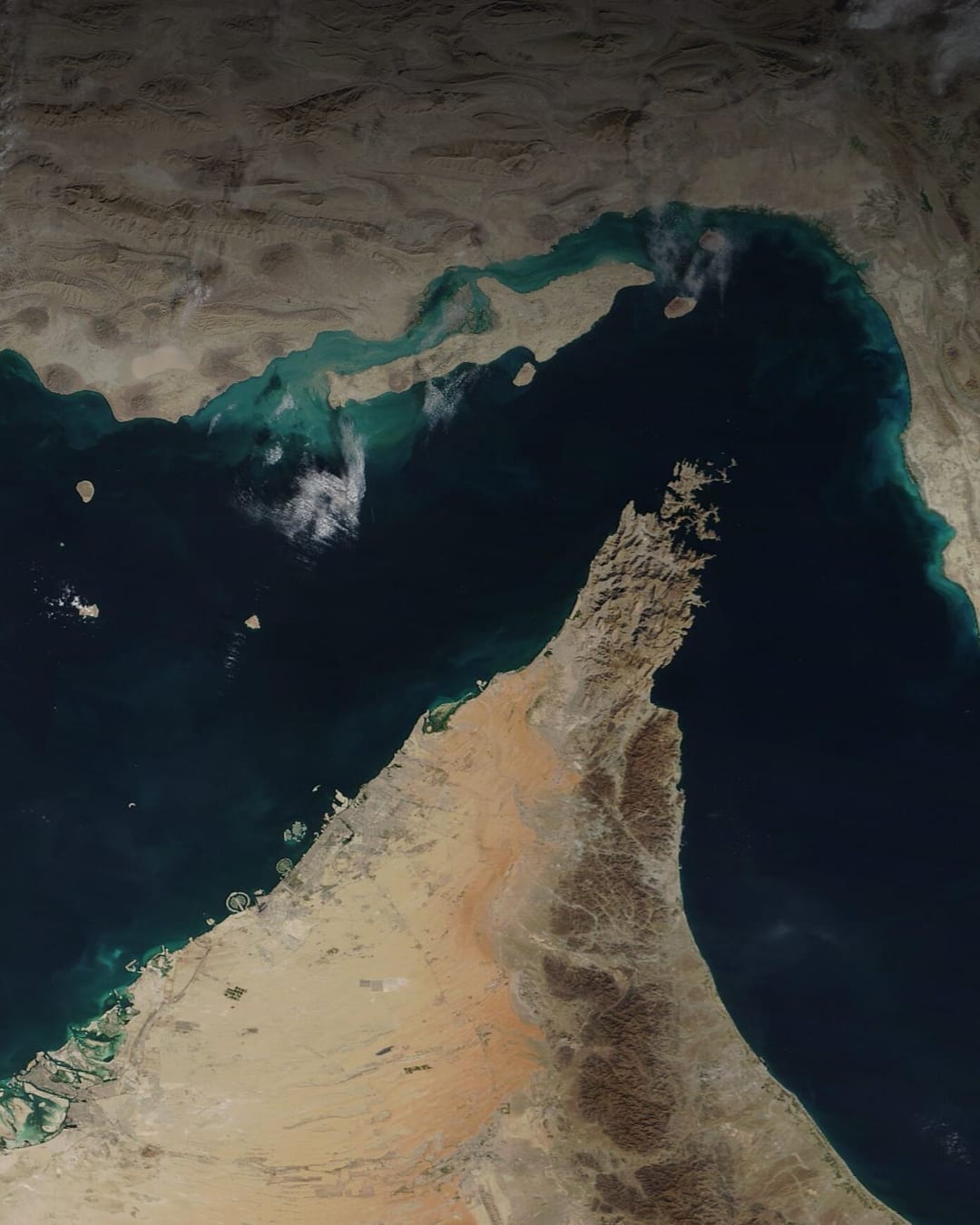 Image: Strait of Hormuz from NASA's Terra MODIS instrument, Dec. 2, 2020 - NASA / Wikimedia Commons, public domain.
What is confirmed
Confirmed: Trump made the "attacking them very hard" remark on June 10. Confirmed: major live and wire reports connected the line to the helicopter incident near Hormuz and the broader U.S.-Iran escalation. Confirmed: Trump's earlier post said Iran had taken too long to negotiate and would now have to pay a price.
Also confirmed: the public narrative is shifting from "response" to "continued attacks." That matters because it suggests a campaign of pressure rather than a one-off retaliatory strike.
What still needs caution
The phrase "Iran shot down a U.S. helicopter" should still be handled carefully where the source trail matters. Trump says it. Several outlets are now reporting it in that frame. But the earlier U.S. military public line confirmed the incident and rescue while leaving the cause formally under investigation.
That does not make the president's claim false. It means the clean wording is: Trump says Iran shot it down; the attack threat is confirmed; final operational details still depend on military reporting.
Why it matters
A continued U.S. bombing cycle raises the chance that Iran answers again through Gulf targets, missile fire, maritime disruption or pressure on U.S.-linked bases in Bahrain, Kuwait, Jordan and the wider region. It also makes any diplomatic track harder to read, because both sides can claim they are negotiating while creating facts on the ground.
Hormuz is the reason the market and security stakes are bigger than one helicopter. A U.S.-Iran strike loop near the strait can hit energy prices, shipping insurance, Gulf air defenses and the political room for allied governments to stay aligned with Washington.
What to watch next
Watch for a CENTCOM statement, White House clarification, Iranian military response, and any Gulf state air-defense alerts. If Trump follows through, the next meaningful detail will be whether the targets are air-defense sites, missile units, naval assets, energy infrastructure or symbolic command targets.
NoDechev rating: quote confirmed, strike path developing. Trump said the U.S. will attack Iran "very hard"; the operational follow-through is the part to verify next.
Ready social post
Trump says the U.S. is going to keep attacking Iran "very hard" after the Hormuz helicopter incident. The quote is confirmed; the next thing to verify is whether the threat becomes a new U.S. strike cycle.
Read next: Trump's "pay the price" warning