

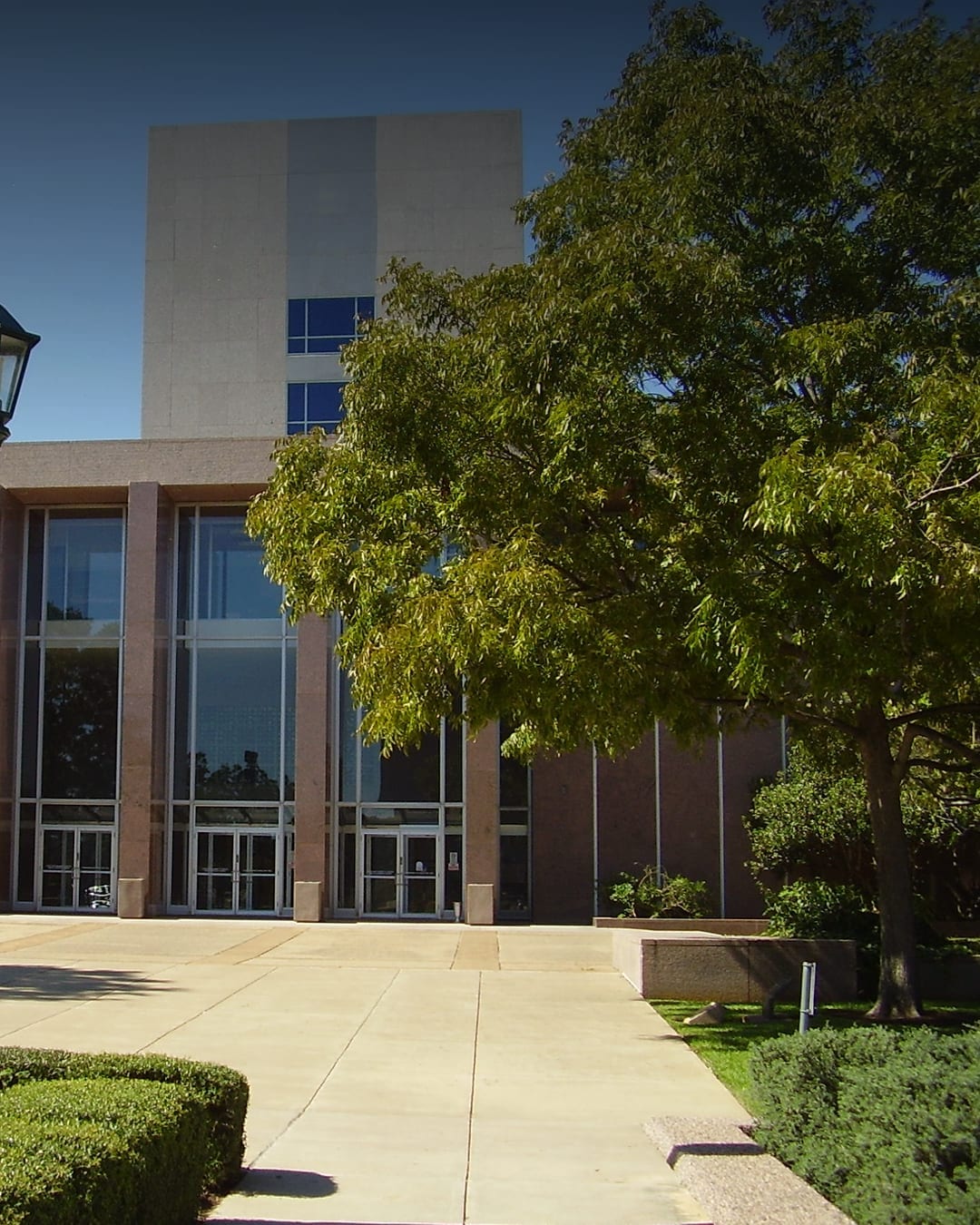
 Image: Texas Supreme Court and Court of Criminal Appeals building in Austin - Wikimedia Commons, public domain.
- The Texas State Board of Education approved a required reading list that includes Bible stories, Bible passages and Christian-themed works.
- AP reports the vote was 9-5 and affects more than 5 million Texas public school students.
- The list is scheduled to begin taking effect in 2030, starting with elementary grades.
- The precise claim should be worded carefully: Texas approved required Bible-related readings, not a standalone order for daily Bible study.
Texas has approved one of the most aggressive religion-in-school curriculum moves in the country: a statewide required reading list for public schools that includes Bible stories and passages.
The State Board of Education approved the list on Friday, June 26, 2026, according to the Associated Press. The move covers more than 5 million public school students and is scheduled to begin taking effect in 2030.
What happened
The board's vote turns a proposed literary works list into a statewide requirement. The list includes Bible-linked material across grades, alongside other works of literature. AP reported the board approved the plan 9-5.
The public shorthand is that Texas will require students to read the Bible. That is close enough to explain why the story is exploding, but the clean version is more specific: Texas approved required readings that include Bible stories, Bible passages and Christian-themed literature as part of a broader literary works list.
What the documents say
Texas Education Agency draft rule text for the literary works list says the works listed for each grade level "shall be included in instruction" and represent the minimum literary works to be read by or for students in that grade. Local districts can still add other texts.
Earlier TEA materials described the list as a minimum common literary canon. Critics objected that the Bible-related selections were not merely background references, but required classroom content in a public school system serving students from many religious traditions and none.
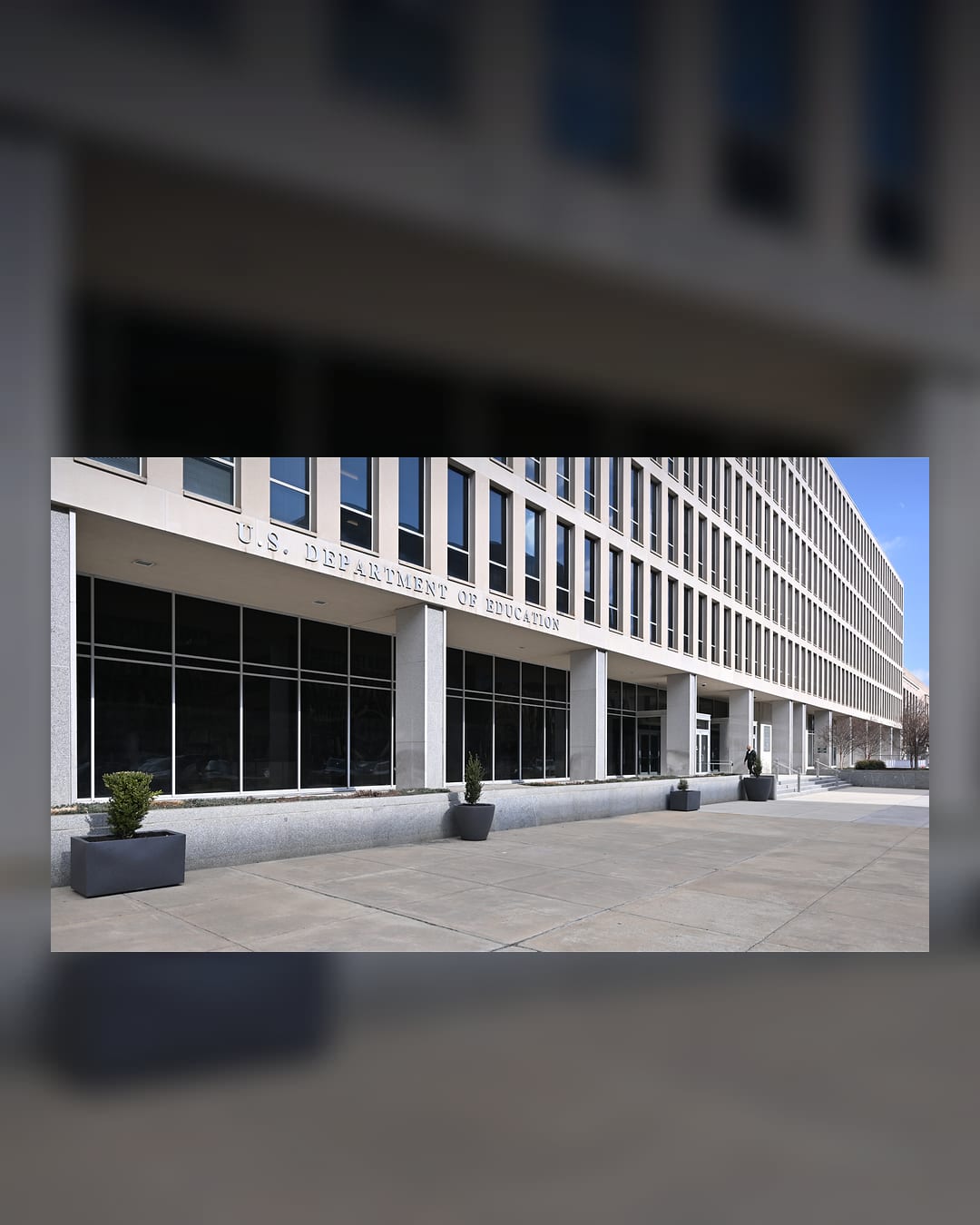 Image: U.S. Department of Education building - Wikimedia Commons.
What is confirmed
Confirmed: the State Board of Education approved the required reading list. Confirmed: the list includes Bible stories and passages. Confirmed: AP reports the list affects more than 5 million public school students in Texas and begins taking effect in 2030.
Also confirmed: the decision follows other Texas moves that put more religious material into public education, including the state's Ten Commandments classroom display requirement.
What is not confirmed
Not confirmed: that students will be ordered into daily devotional Bible reading. The approved policy is a curriculum reading-list decision, not a church service or prayer mandate.
Not confirmed: that the legal fight is over. Religious liberty groups, education advocates and civil-rights organizations are likely to challenge how the rule is implemented, especially if lessons are presented as religious truth rather than literary, historical or cultural material.
Why it matters
The fight is not only about one state. Texas is huge, and its curriculum fights often shape national arguments over textbooks, classroom materials and the boundary between religious heritage and religious instruction.
Supporters argue that biblical texts are part of the literary and historical background of the United States and Western culture. Critics argue that Texas is elevating Christianity inside public schools while giving far less room to other faiths, nonreligious students and local teacher judgment.
What to watch next
Watch for the final published rule text, district implementation guidance, opt-out policies and lawsuits. The practical question is how teachers are told to handle Bible passages in ordinary classrooms: as literature and historical context, or as state-backed religious instruction.
Also watch whether other Republican-led states copy the Texas model. If the policy survives court challenges, the Texas reading list could become a template for a wider push to put Christian texts into public school curricula.
NoDechev rating: real approval, careful wording needed. Texas approved required Bible-related readings inside a statewide literary list. It is fair to call it required Bible reading, but the clean caveat is that implementation starts in 2030 and the policy is not a standalone daily Bible-study mandate.
Ready social post
Texas approved a required public-school reading list that includes Bible stories and passages. The caveat matters: this starts in 2030 and is written as a literary-works curriculum rule, not a standalone daily Bible-study order.
Read next: latest NoDechev briefs ->