

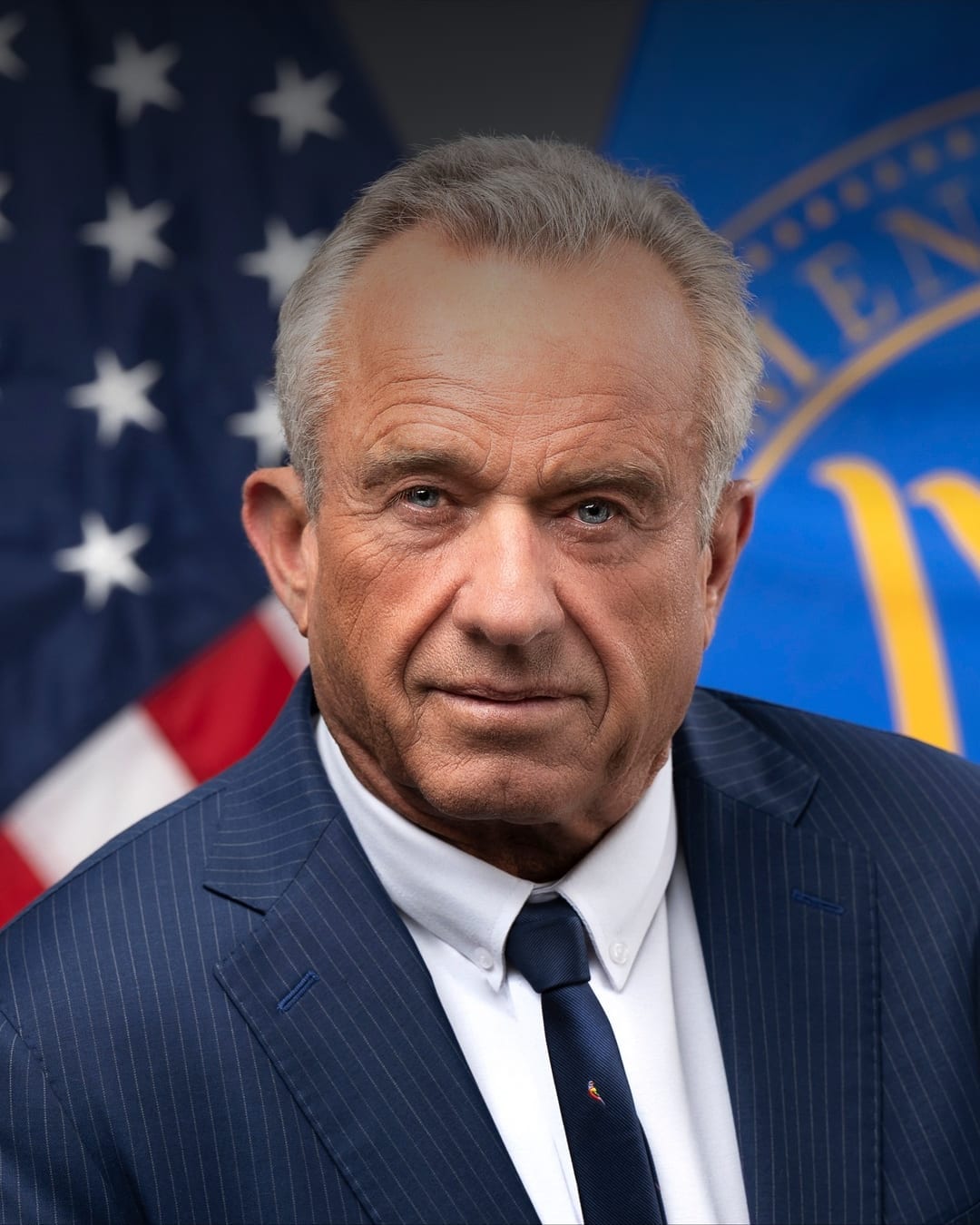
 Image: U.S. Department of Health and Human Services official portrait of Robert F. Kennedy Jr., via Wikimedia Commons.
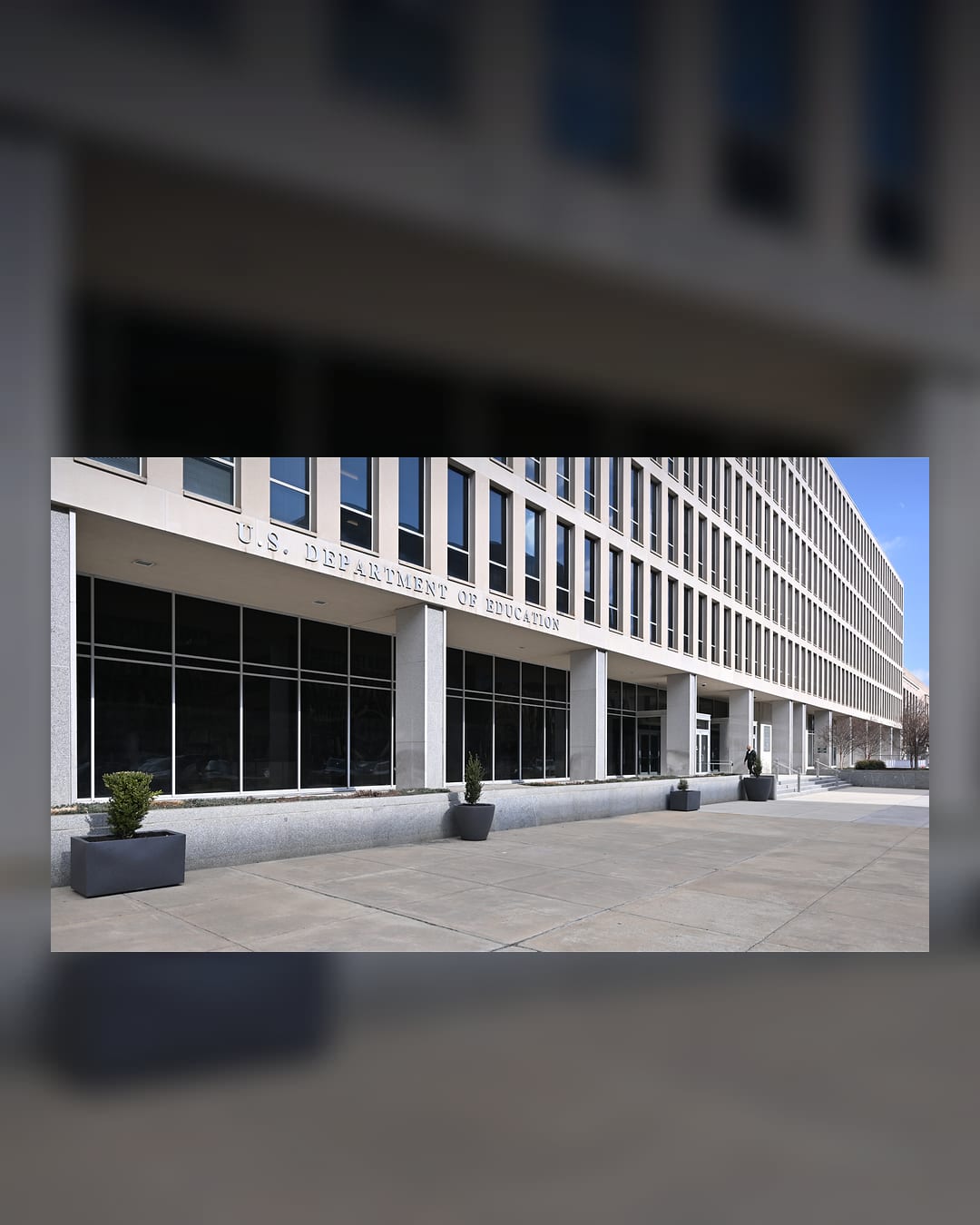
- The Education Department announced four new interagency agreements on June 16, 2026.
- HHS will partner with ED on special education and rehabilitative services; DOJ will partner on civil rights, student privacy and advisory services.
- The clean claim is not that RFK Jr. personally seized the office, but that his department is being assigned the special education work.
Robert F. Kennedy Jr.'s Department of Health and Human Services is now positioned to take over much of the federal government's special education work under a new Education Department plan announced Tuesday.
The U.S. Department of Education said the agreements with HHS and the Department of Justice are designed to reduce bureaucracy and improve delivery of federally funded programs. In plain English: HHS gets the special education and rehabilitative services portfolio, while DOJ gets a major role in civil rights enforcement, student privacy protection and advisory services.
What happened
The Education Department announced the new partnerships on June 16, saying HHS will work with ED on special education and rehabilitative services. That includes the federal work historically associated with the Office of Special Education and Rehabilitative Services, known as OSERS, and the programs tied to disability services and state compliance.
Education Secretary Linda McMahon framed the move as matching federal responsibilities with agencies that the administration says are better positioned to support them. Kennedy, in the same release, said HHS and ED would cut bureaucratic barriers, align resources and support children and families.
The broader context matters. President Donald Trump has pushed to shrink or dismantle the Education Department, but only Congress can formally abolish the agency. Interagency agreements are the administration's practical path: shift day-to-day functions elsewhere while keeping the department's legal shell in place.
What is confirmed
Confirmed: the Education Department announced new interagency agreements with HHS and DOJ. Confirmed: HHS, led by Kennedy, is now the partner agency for special education and rehabilitative services. Confirmed: DOJ is being brought into education civil rights enforcement and student privacy work.
AP reported that HHS will oversee special education while DOJ takes on education civil rights enforcement. ABC News reported that OSERS-related work is being moved through the agreements and that senior Education Department officials said statutory functions would continue without interruption.
What is not confirmed
Not confirmed: that HHS can fully replace every legally assigned Education Department role without challenge. Not confirmed: that families will see no service delays. Not confirmed: that courts, Congress or state officials will accept the move without a fight.
The administration's wording is careful. It calls the arrangement a partnership and says federal disability-rights obligations remain unchanged. Critics argue the practical effect is a transfer of core education functions to agencies that were not built to run school-based disability services.
Why advocates are alarmed
The strongest criticism is not just about Kennedy personally. It is about the model of oversight. Special education is governed through education law, school accountability, individualized education programs, classroom access and state compliance. Disability-rights groups worry HHS will treat the work more like a health or medical-services portfolio than a school rights portfolio.
The Arc of the United States said moving OSERS to HHS and the Office for Civil Rights to DOJ risks splitting the offices families rely on when students need special education services, accommodations or discrimination enforcement. The group also argued that federal law places the Office of Special Education Programs inside the Education Department.
That is the central caveat for readers: this is a real administrative move, not just a rumor, but the legal and operational consequences are not settled.
What to watch next
Watch for lawsuits challenging whether the administration can use interagency agreements to move work that Congress assigned to the Education Department. Also watch whether disability-rights complaints, IDEA monitoring, state grant administration and technical assistance continue smoothly after the handoff.
The practical test will be boring but important: do parents, schools and states know which federal office to call, and does the answer come quickly enough to protect students' rights?
NoDechev rating: confirmed administrative shift, unresolved legal impact. HHS is being assigned the special education lane; whether that survives scrutiny and works in practice is still open.
Ready social post
RFK Jr.'s HHS is now set to take over much of the federal special education services work under new Education Department agreements. The claim is real, but the caveat matters: ED calls it a partnership, while disability-rights advocates say it may split oversight and face legal scrutiny.
Read next: Mike Collins wins Georgia GOP Senate nomination