 Image: Hamad Bin Khalifa Civilisation Center in Copenhagen -- Leif Jørgensen/Wikimedia Commons.
- Denmark's immigration minister Morten Bødskov has resumed work on whether public Islamic calls to prayer can be banned or restricted.
- The issue concerns amplified public broadcasts of the adhan, not Muslims praying inside mosques.
- No nationwide ban has taken effect as of June 25, 2026.
- The legal question is whether a restriction can survive Denmark's constitutional and human-rights protections for religion.
Denmark is again moving toward a fight over the Islamic call to prayer in public spaces. Morten Bødskov, Denmark's immigration and integration minister, has reopened an investigation into whether the public adhan can be banned or restricted, according to reporting from Ritzau carried by The Copenhagen Post.
The viral version of the story says Denmark is planning to ban the Islamic call to prayer. That is broadly pointed in the right direction, but it needs one caveat before it becomes accurate: the government is examining and pushing the idea. It has not yet enacted a nationwide ban.
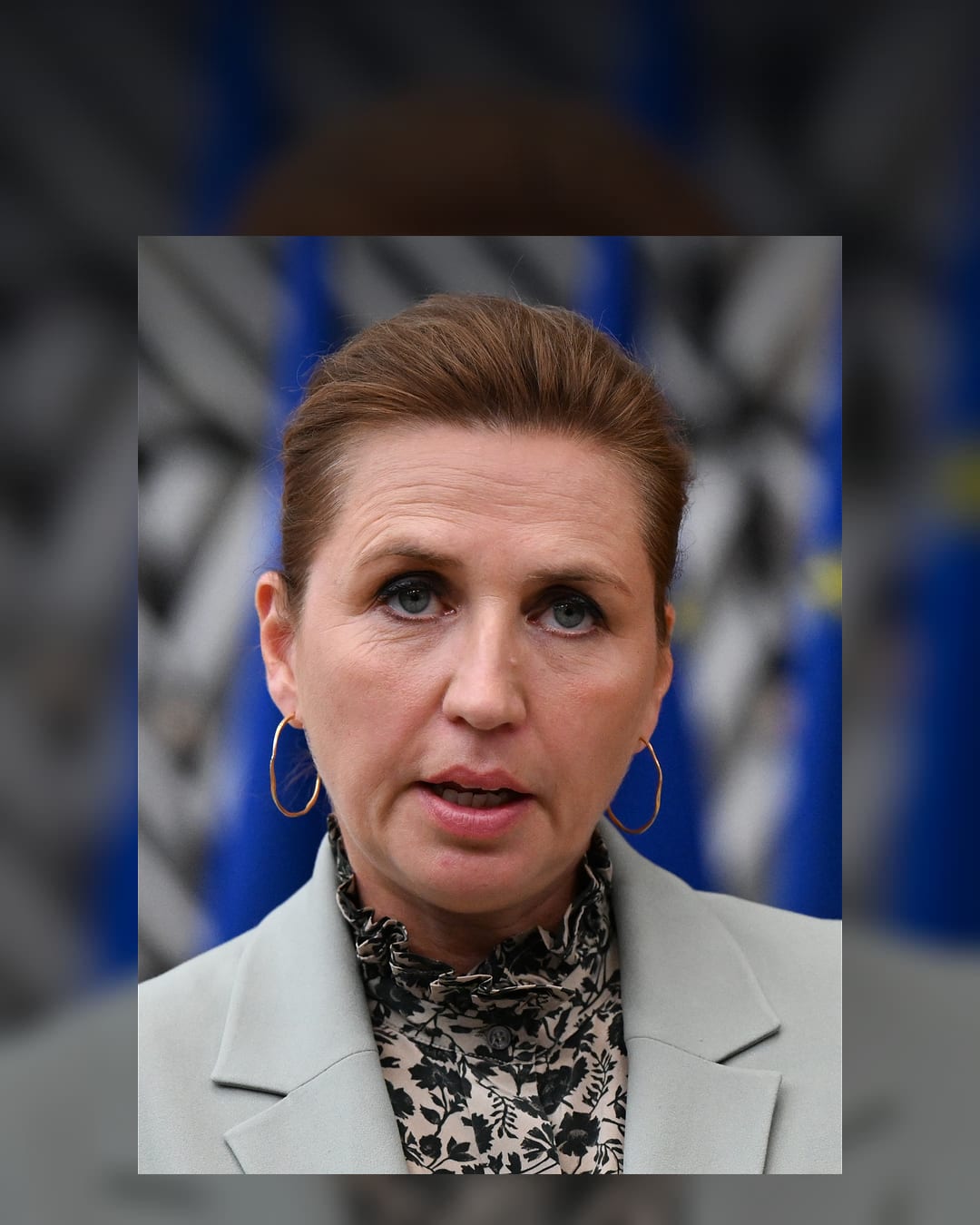 Image: Danish Prime Minister Mette Frederiksen in 2025 -- European Union/Wikimedia Commons.
What happened
The debate resurfaced after a written question in the Danish Parliament asked whether the minister would ban public Islamic calls to prayer. The question was filed on June 17, 2026 and marked as finally answered on June 24, 2026, according to the Folketing's public record.
After that, Danish and international outlets reported that Bødskov had resumed the government's legal work on the issue. The Copenhagen Post described it as a renewed investigation into whether the adhan in public spaces can be banned or restricted.
British and international coverage framed the move more sharply as a plan for a nationwide ban. Those reports also said the proposal is aimed at calls to prayer broadcast over loudspeakers, not at private worship inside mosques.
What is confirmed
It is confirmed that the question is back on Denmark's political agenda. It is also confirmed that Bødskov is the minister addressed in the parliamentary record and that the government is looking again at legal options around public calls to prayer.
It is also clear that the target is the public soundscape. The issue is amplified adhan audible outside a mosque, especially through outdoor loudspeakers. The debate is not about whether Muslims can pray, attend mosques or hold services indoors.
What is not confirmed
It is not confirmed that a ban has already taken effect. There is no public evidence, as of June 25, 2026, that Denmark has passed a new national law banning the call to prayer.
It is also too early to say what the final legal design would be. A direct ban aimed only at Muslim prayer calls would be vulnerable to discrimination and religious-freedom challenges. A broader noise or public-broadcast rule may be easier to defend legally, but that would depend on the text of any proposal.
Why the legal question matters
Denmark has strong protections for religious practice, and earlier government responses have treated a religion-specific ban as legally difficult. In 2020, then-integration minister Mattias Tesfaye said a ban specifically targeting Muslim prayer calls would conflict with constitutional and human-rights protections, while leaving open the possibility that a more general restriction might need separate legal analysis.
That is why the word "plans" matters. Politically, the government is signaling support for a crackdown on public adhan broadcasts. Legally, it still has to find a route that does not look like the state singling out one religion.
Why it matters
The Danish case is bigger than the number of mosques that might actually broadcast the adhan. Supporters frame the proposal as a defense of Denmark's secular public space and national identity. Critics see it as a symbolic restriction aimed at Muslims, especially if the rule is written around one faith's sound rather than neutral noise limits.
The politics are also notable because this is not only coming from Denmark's nationalist right. The renewed push is tied to a Social Democratic minister, which shows how far immigration and integration politics have moved into the center of European politics.
What to watch next
The next step is whether the government produces a concrete bill or only a legal memo. Watch for three details: whether the rule names Islamic calls to prayer directly, whether it is framed as a general sound-broadcast restriction, and whether it creates exemptions for other religious sounds such as church bells.
If Denmark tries to pass a narrow ban on the adhan, expect a legal challenge. If it writes a broad public-noise rule, the fight will move to whether the rule is neutral in theory but targeted in practice.
NoDechev rating: real policy push, not yet law. Denmark is examining a ban or restriction on public Islamic calls to prayer, but a nationwide ban has not taken effect as of June 25, 2026.
Also Read
For another Europe policy brief, read the UK immigration settlement-rule context check.
Read the UK immigration rules brief ->