

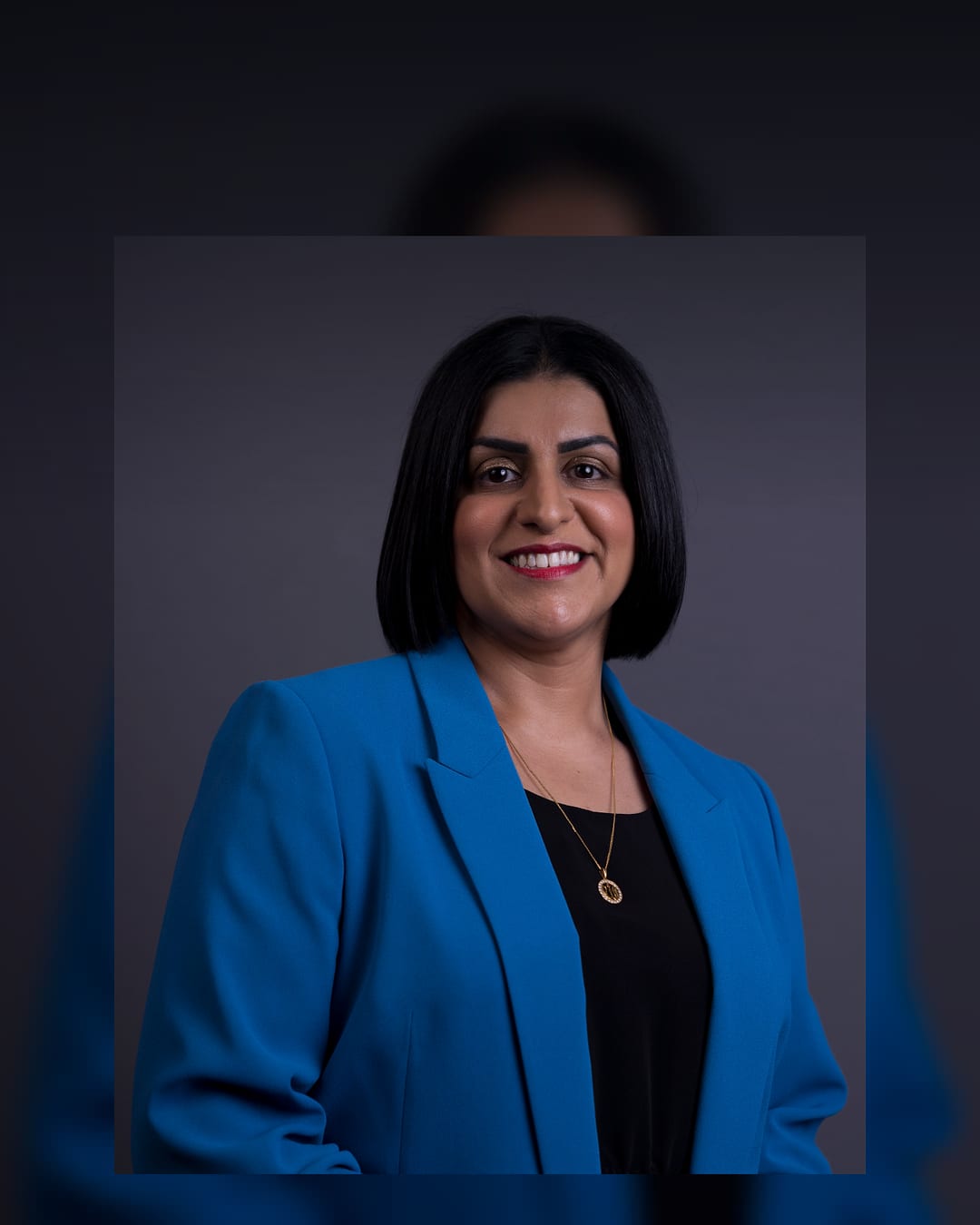
 Image: Shabana Mahmood official Cabinet portrait - Lauren Hurley / No 10 Downing Street, OGL v3.0 via Wikimedia Commons.
- The i reports Andy Burnham could soften Mahmood's settlement reforms for migrants already in the UK.
- The core issue is retrospectivity: whether "Boriswave" migrants should now wait 10 years, not five, for indefinite leave to remain.
- The confirmed government policy is an earned settlement model; Burnham's final position has not yet been formally set out.
Andy Burnham is facing an early immigration test: keep Shabana Mahmood's hard-edged settlement reforms as they are, or soften the part that hits migrants who are already in Britain.
The i Paper reported on Wednesday that Burnham could ditch or water down tougher settlement rules for migrants already in the UK. The most politically sensitive part is the retrospective change for the post-Brexit migration cohort sometimes called the "Boriswave": people who arrived under the more liberal visa system after 2021 and expected to qualify for indefinite leave to remain after five years.
What happened
Mahmood's earned settlement plan would move the standard qualifying period for settlement from five years to 10 years for most migrants. The Home Office has also proposed extra conditions around English, criminal records, National Insurance contributions, debt, benefits and broader contribution.
The fight is not only about future migrants. Government material published under Mahmood said the reforms would apply to people already in the country who had not yet received indefinite leave to remain, while also seeking views on whether transitional arrangements should exist.
That is where Burnham's reported rethink matters. If he keeps the 10-year baseline for future arrivals but removes or softens the retrospective element, he can claim to support tighter migration rules while reducing the legal and political backlash from people who came under the old rules.
What "Boriswave" means
"Boriswave" is a political label for the large post-Brexit migration wave that followed rule changes under Boris Johnson and Rishi Sunak. It is not a formal visa category. It usually refers to migrants who arrived from 2021 onward through routes such as skilled worker, health and care, student and dependant pathways.
Mahmood has used the scale of that migration wave to justify a tougher settlement model. In one government speech, she cited 2.6 million net migration in four years and forecast that 1.6 million people could settle between 2026 and 2030 without reform.
What is confirmed
Confirmed: Mahmood's policy framework aims to double the standard settlement period from five to 10 years for most migrants. Confirmed: the official consultation described settlement as indefinite leave to remain and said the current system would be replaced by an earned model.
Confirmed: The i and related social posts report that Burnham is considering changes to the package, including the retrospective settlement rule for people already in the UK.
What is not confirmed
Not confirmed publicly at publication time: Burnham's final policy, whether Mahmood would remain in place, whether the retrospective 10-year rule would be fully scrapped, or whether the outcome would be a narrower set of transitional exemptions.
Also not confirmed: that every migrant in the so-called Boriswave would automatically keep a five-year path. A softer policy could still preserve tougher rules for some groups while protecting people close to settlement or people in public-service roles.
NoDechev rating: report confirmed, final policy not confirmed. The live claim is that Burnham is considering a softer route; the official government position remains Mahmood's earned settlement framework until changed.
Why it matters
This is a clean Labour split because both sides can claim fairness. Mahmood's side says permanent settlement should be earned after a longer contribution period because migration rose too fast. Critics say changing the rules for people already here breaks expectations and leaves settled workers and families in limbo.
Politically, Burnham is trying to avoid two traps at once. If he weakens Mahmood's plan too much, Reform UK and the Conservatives will say Labour is retreating on immigration. If he keeps the retrospective rule untouched, Labour's left, migrant groups and affected workers will argue he is choosing a punitive policy for people who followed the rules in force when they arrived.
What to watch next
The next signal is whether Burnham publicly distinguishes future arrivals from existing migrants. That distinction would let him keep the headline "10-year settlement" position while changing who it applies to.
Also watch the Home Office consultation outcome. If the government announces transitional arrangements, the real story will be the carve-outs: who qualifies, how close to settlement they must be, and whether the five-year path survives for any large group of existing migrants.
Ready social post
Burnham is reportedly considering softening Mahmood's immigration reforms for migrants already in the UK. The key issue is retrospectivity: whether "Boriswave" migrants should now wait 10 years, not five, for permanent residence.
Read more UK policy briefs