

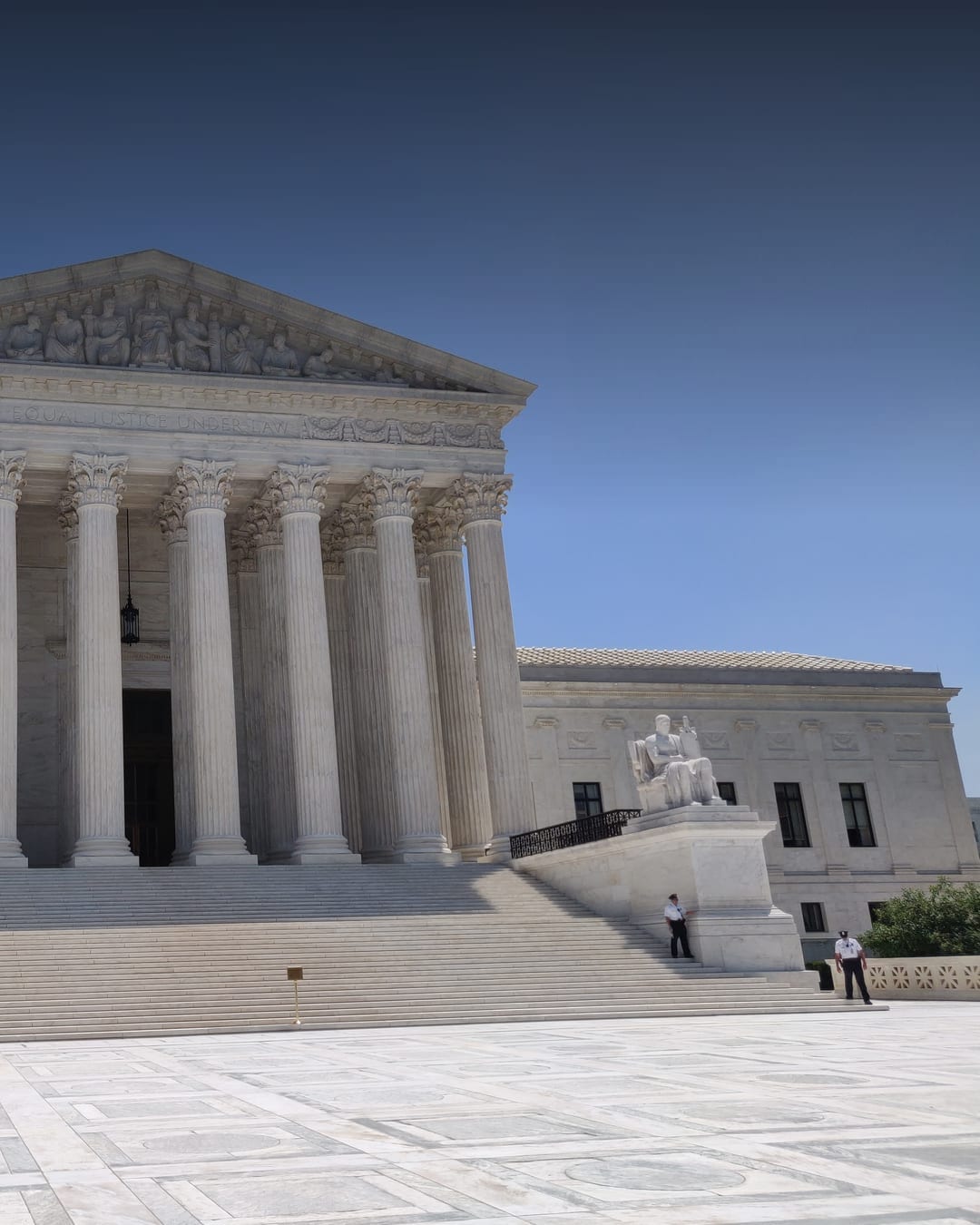
 Image: United States Supreme Court building in Washington, D.C. - Wikimedia Commons, public domain.
- The Supreme Court denied certiorari in Alan Dershowitz v. Cable News Network on June 29, 2026.
- The denial leaves intact lower court rulings for CNN, including the 11th Circuit's actual-malice decision.
- Dershowitz had sued over CNN coverage of his comments during Trump's first impeachment trial.
- Justices Clarence Thomas and Neil Gorsuch dissented from the denial and again criticized the Sullivan defamation standard.
The U.S. Supreme Court has declined to revive Alan Dershowitz's defamation lawsuit against CNN.
The order, issued June 29, 2026, denied Dershowitz's petition for a writ of certiorari. That means the justices will not hear the case, and the lower court rulings against him remain in place.
What happened
Dershowitz sued CNN after the network's coverage and commentary about remarks he made while defending Donald Trump during Trump's 2020 Senate impeachment trial. He argued CNN distorted his position by omitting qualifying language and presenting him as saying a president could do almost anything if he believed reelection served the public interest.
CNN denied liability and argued that its hosts and commentators were giving protected interpretations and opinions about Dershowitz's Senate-floor argument. The network also pointed out that it aired his full remarks live and later gave him airtime to defend his view.
Why the case failed
The decisive issue was actual malice. Under New York Times Co. v. Sullivan, public officials and public figures usually must prove that a defamatory statement was made with knowledge that it was false or with reckless disregard for whether it was false.
The 11th Circuit held that Dershowitz had not produced evidence showing CNN's commentators or producers acted with that level of fault. The court said the record instead pointed to commentators who believed their criticism was fair, even if Dershowitz considered it badly wrong.
What the Supreme Court did
The Court did not issue a full majority opinion on the merits. It simply denied review. In practical terms, that is enough to end this appeal path and leave CNN's win intact.
Justice Clarence Thomas, joined by Justice Neil Gorsuch, dissented from the denial. Thomas would have taken the case to revisit the Sullivan actual-malice rule, a standard he has repeatedly argued deserves reconsideration.
What is confirmed
Confirmed: the petition was denied. Confirmed: the 11th Circuit's ruling for CNN remains the controlling outcome in the case. Confirmed: Thomas and Gorsuch wanted the Court to take up the case.
Also confirmed: this does not mean the Supreme Court approved every CNN segment or decided whether the coverage was fair. It means the Court chose not to review the lower court judgment.
Why it matters
The bigger story is not only Dershowitz versus CNN. The case was another attempted vehicle for narrowing or revisiting Sullivan, the 1964 precedent that makes defamation suits especially hard for public figures to win against news organizations.
Media defendants see Sullivan as a First Amendment safeguard for reporting and commentary on public affairs. Critics argue it gives large outlets too much protection when public figures claim they were seriously misrepresented.
What to watch next
The Court's denial shows there still are not four votes, at least in this case, to put Sullivan squarely back on the merits docket. But Thomas and Gorsuch remain openly interested in revisiting it, so the fight will likely return through another defamation case.
NoDechev rating: appeal rejected, precedent intact. Dershowitz's CNN case stays dismissed; the Sullivan actual-malice standard survives this round.
Ready social post
The Supreme Court declined to hear Alan Dershowitz's defamation appeal against CNN. That leaves CNN's win intact and keeps the New York Times v. Sullivan actual-malice standard untouched for now.
Read next: another legal fight to watch