
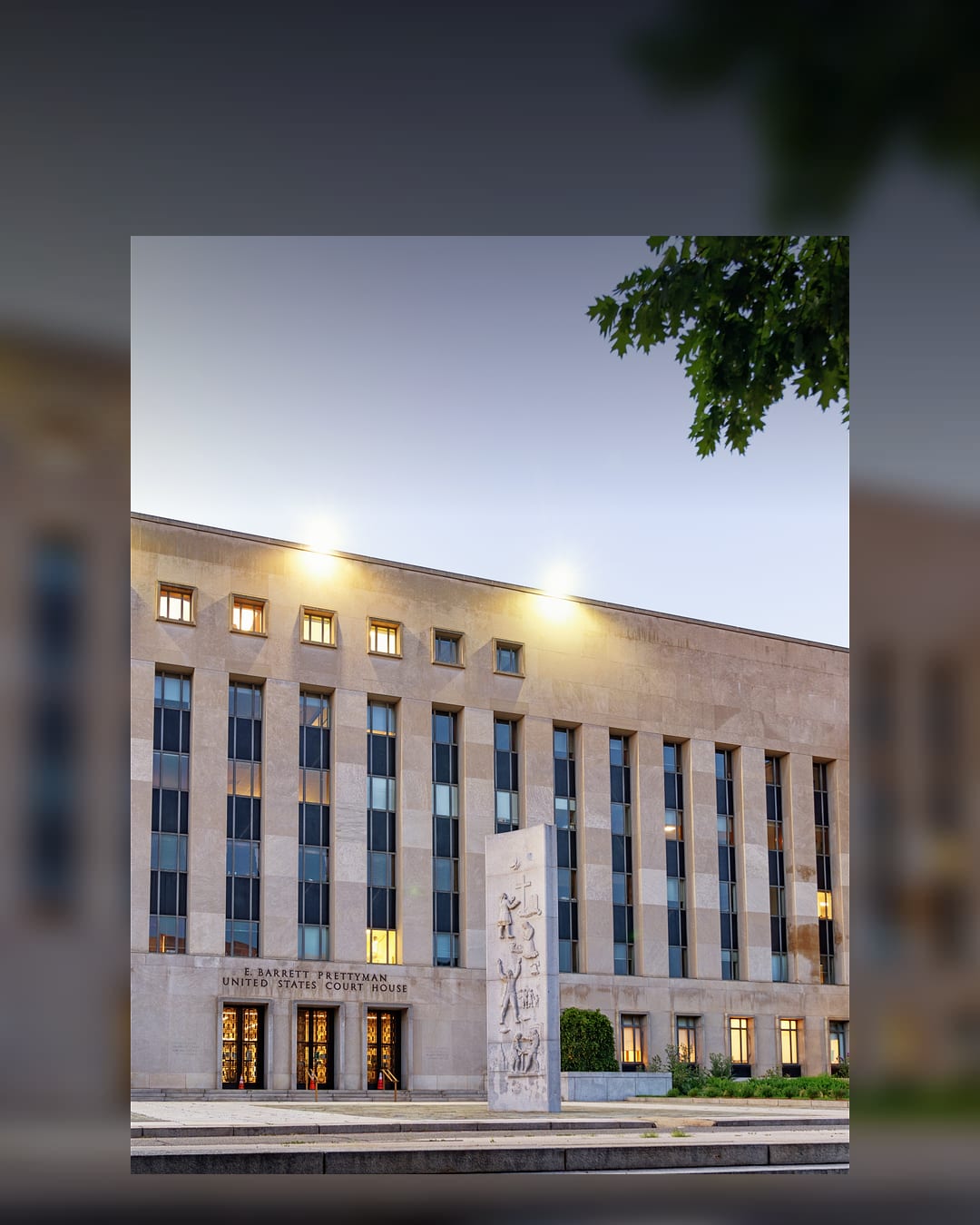
 Image: E. Barrett Prettyman U.S. Courthouse in Washington, D.C. - Wikimedia Commons.
- Judge Emmet Sullivan has set a June 30 hearing in Katie Phang’s Epstein-files lawsuit against Justice Department officials.
- Phang is seeking court intervention to require more disclosure of Epstein-related government records.
- The hearing is a scheduling/legal step. It does not mean the court has ordered the DOJ to release more files yet.
U.S. District Judge Emmet Sullivan has set a June 30 hearing in Katie Phang’s lawsuit against Justice Department officials over the government’s handling of Epstein-file disclosures.
The case is being watched because Phang is asking the court to require more public release of records tied to Jeffrey Epstein. But the scheduling update should not be mistaken for a ruling on the merits. A hearing date means the court will hear arguments. It does not itself compel the Justice Department to release anything.
What happened
Phang sued the Justice Department after the Trump administration’s public handling of Epstein-related records drew renewed scrutiny. The complaint names DOJ officials and asks the court to order more disclosure, arguing that the government has not released the full universe of material it said it was reviewing.
The docket update setting a June 30 hearing puts the dispute before Judge Sullivan, a long-serving federal judge in Washington known for close management of high-profile government-records and executive-branch litigation.
What the filing says
The complaint, available through CourtListener’s RECAP storage, frames the case around the government’s Epstein-file review and the public promise of transparency. Phang’s core theory is that the court should force additional disclosure rather than leave the release process entirely to the Justice Department.
The Justice Department has maintained a public Epstein disclosures page. The department has also described a review of a large volume of Epstein-related material, while media reports have noted that only a small share of the broader record set had been made public at various stages.
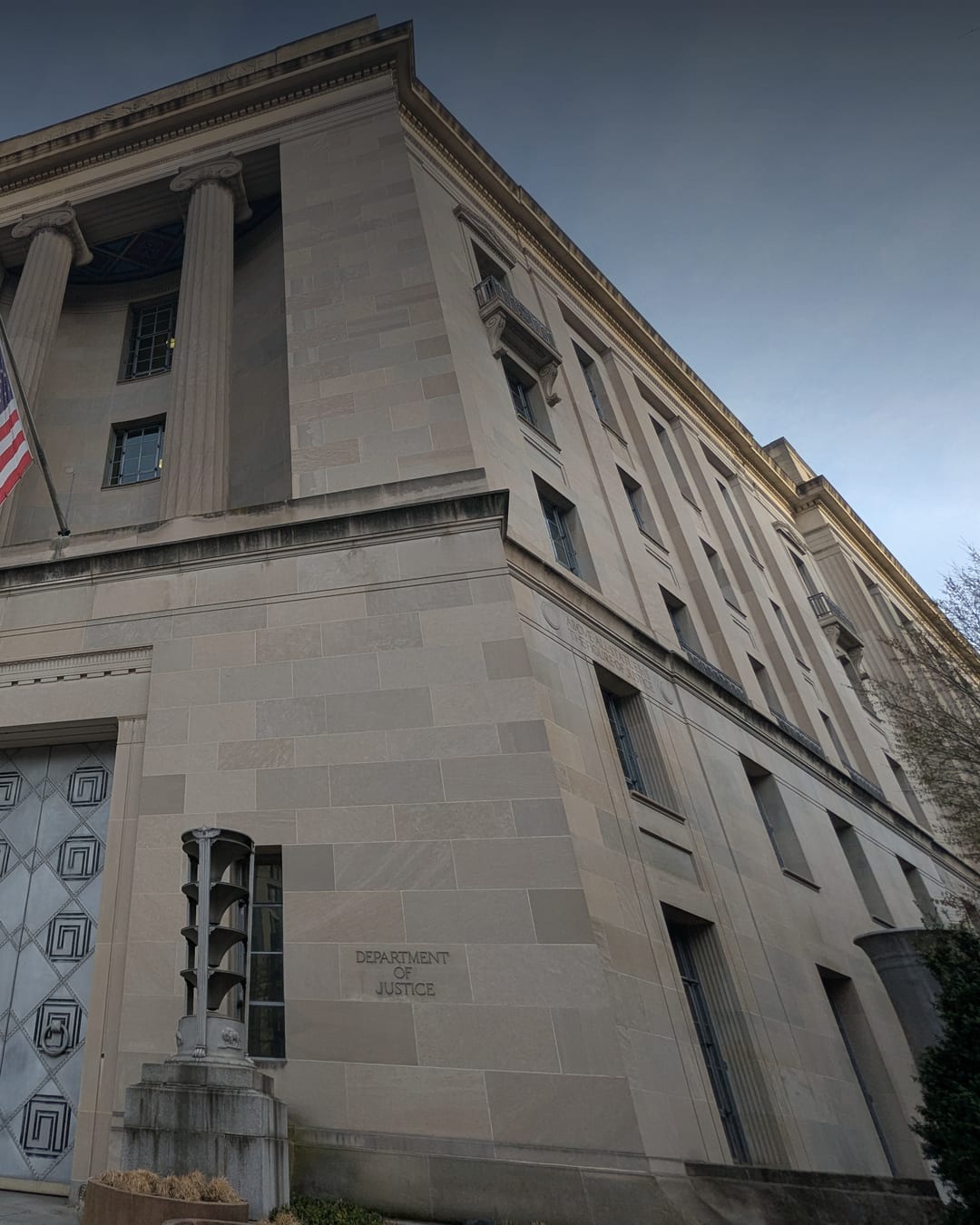 Image: Robert F. Kennedy Department of Justice Building exterior - Wikimedia Commons.
What is confirmed and not confirmed
Confirmed: the lawsuit exists, the complaint seeks court-backed disclosure relief, and the DOJ has a public Epstein disclosures portal. The June 30 date is a hearing date, not a release deadline.
Not confirmed: the court has not ordered the Justice Department to release more Epstein files as of this scheduling step. It is also not yet clear how much of the contested material, if any, the judge would require to be released if Phang succeeds.
Why it matters
The Epstein-files fight is not only about one document dump. It is about who controls the release process, how much discretion the Justice Department keeps, and whether courts will force more transparency when the government has publicly promised disclosure.
That is why the hearing matters even before a ruling. If Judge Sullivan presses DOJ lawyers for specifics, the case could clarify how the department is defining the file universe, what exemptions it is claiming, and whether a court order is needed to move the process forward.
What to watch next
Watch whether DOJ files a response before June 30 and whether Sullivan asks for a production timeline, a privilege log, or a narrower list of disputed records. Also watch whether the court treats the request as an urgent transparency dispute or a slower records case.
NoDechev rating: confirmed lawsuit and hearing date, no disclosure order yet. The strongest factual read is that Phang’s case now has a June 30 court date over more Epstein-file disclosure.
Ready social post
Judge Emmet Sullivan has set a June 30 hearing in Katie Phang’s lawsuit seeking more DOJ Epstein-file disclosures. Caveat: this is a hearing date, not a court order forcing release of more files yet.
Read how NoDechev checks court claims