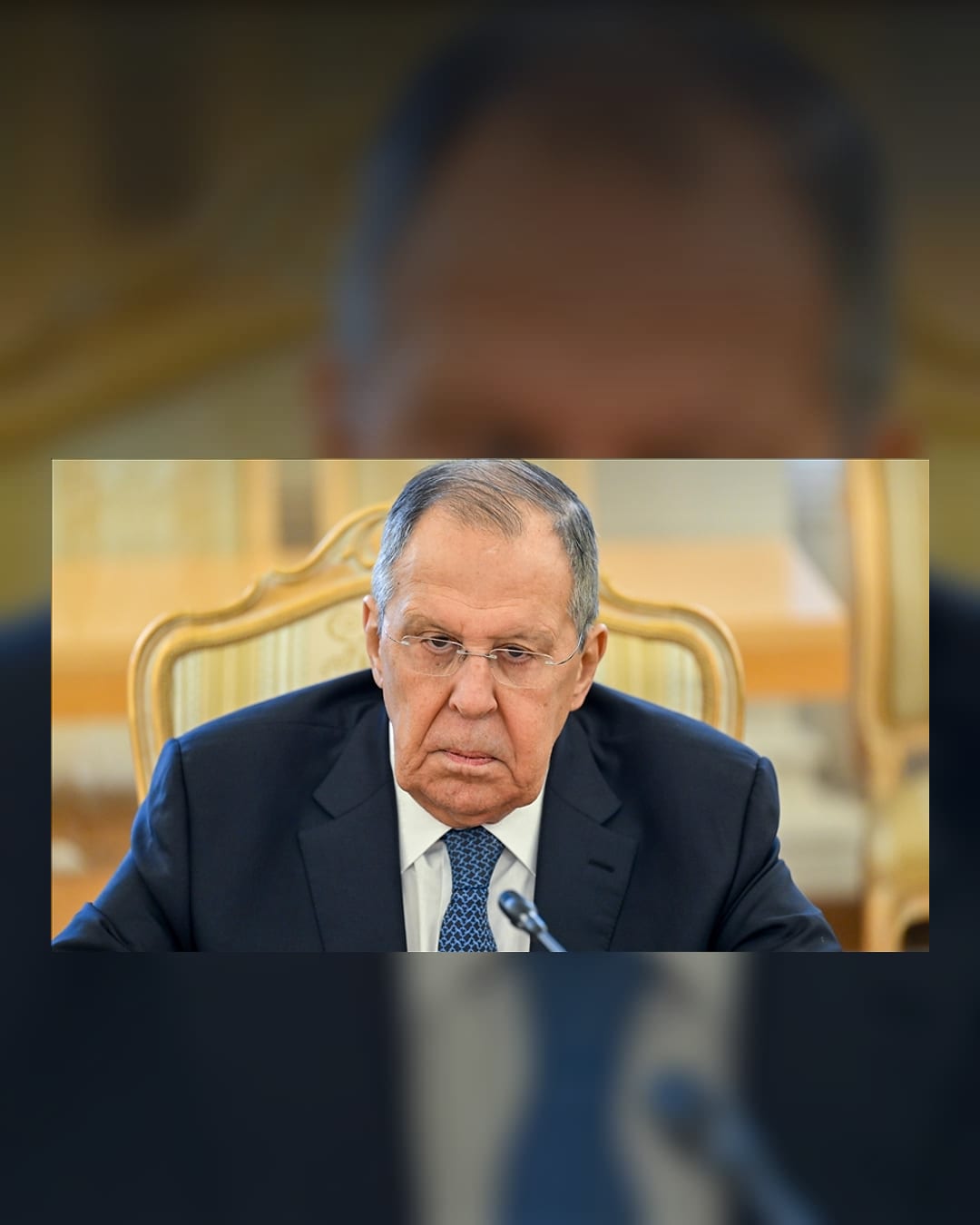
 Image: Sergey Lavrov meets Iranian Foreign Minister Abbas Araghchi in Moscow -- Anadolu Agency.
- Lavrov told Anadolu that Russia supports the negotiation process around Iran and the United States.
- He said any agreement must take Tehran's interests into account and should not be overloaded with issues beyond the nuclear file.
- Russia says it is ready to facilitate contacts, but Moscow also has its own strategic interests with Iran.
- The statement does not mean a deal is done, or that Russia is acting as a neutral referee.
Russian Foreign Minister Sergey Lavrov says Moscow backs negotiations between Iran and the United States, while warning that any deal must consider Tehran's interests. The viral summary is broadly accurate, but it needs two caveats: Lavrov is not endorsing any U.S. terms in advance, and Russia's position is closely tied to Iran's argument that its nuclear rights under the Non-Proliferation Treaty must be respected.
Anadolu reported Lavrov's comments in the context of renewed U.S.-Iran nuclear diplomacy. He said Russia supports the negotiation process and is ready to facilitate it, but that an agreement should take Iran's interests into account and should not be turned into a package covering every regional dispute at once.
What happened
Lavrov made the comments as indirect U.S.-Iran nuclear talks have remained under pressure from disagreements over enrichment, sanctions relief, verification and the scope of any future deal. The clean version of his message is: Moscow supports talks, wants a diplomatic outcome and says the nuclear file should be treated on its own terms.
That is not the same as Russia signing onto Washington's demands. In a separate Anadolu report, Lavrov said Moscow had not seen U.S. proposals on an Iran nuclear settlement but remained ready to help where possible. He also framed Russia's role as facilitation rather than ownership of the negotiation.
What the statement means
Lavrov's key point is about acceptable deal design. He argued that an agreement cannot ignore Tehran's interests and should not be burdened with matters unrelated to Iran's nuclear program. That framing is important because Washington has pushed for tougher limits, while Iran has repeatedly defended its right to civilian nuclear technology and enrichment under international law.
For Moscow, this position serves several purposes at once. It lets Russia present itself as a diplomatic actor, reinforces its strategic relationship with Iran, and pushes back against a U.S.-led deal that could impose terms Tehran considers one-sided.
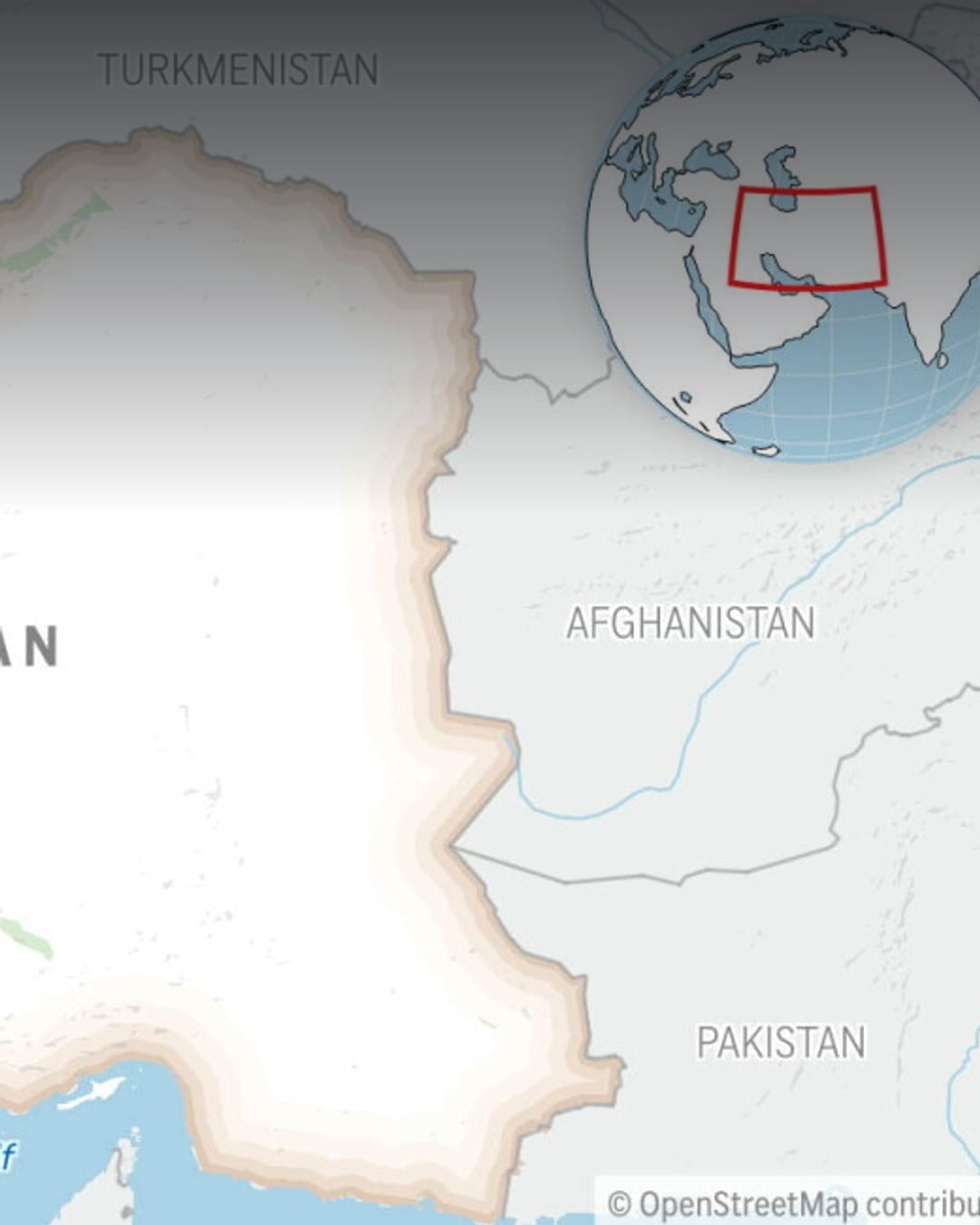 Image: IAEA context photo used by AP for Iran nuclear monitoring coverage. The current dispute still turns on enrichment, inspections and verification.
What is confirmed
It is confirmed from Anadolu's interview reporting that Lavrov said Russia supports the negotiation process and believes any agreement must account for Iran's interests. It is also confirmed that he described Russia as ready to facilitate, not as the direct author of a U.S.-Iran settlement.
It is confirmed from AP's reporting on the nuclear file that the IAEA has warned it cannot currently provide full information on the size, composition or whereabouts of Iran's enriched uranium stockpile after the recent war damage and access problems. That gives the negotiation track more urgency and makes verification a central issue, not a technical afterthought.
What is not confirmed
It is not confirmed that Russia has brokered a final deal. It is also not confirmed that Washington and Tehran have accepted the same framework. Lavrov's comments describe Moscow's preferred principles and diplomatic posture, not a signed agreement.
It would also be too broad to say Russia is simply "backing the U.S." in the talks. Moscow backs negotiations, but the conditions it emphasizes lean toward Tehran's core demands: respect for sovereignty, recognition of nuclear rights and keeping the deal from expanding into missiles, regional alliances or other pressure files.
Why it matters
Russia's public support gives the negotiation track more diplomatic cover, especially if Tehran wants to show that it is not isolated. But it also complicates the politics for Washington, because Moscow will likely resist a deal that treats Iran's enrichment position as a surrender term.
The bigger signal is that every outside power is now trying to shape the boundaries of a future Iran deal. The U.S. wants stronger limits and verification. Iran wants recognition of its rights and sanctions relief. Russia wants an agreement that does not weaken its partner or expand U.S. leverage in the region.
What to watch next
Watch whether the next draft separates the nuclear file from regional and missile questions, and whether Iran accepts any limits on enrichment that can still be sold domestically as preserving its rights. Also watch whether Russia moves from public support to a concrete facilitation role, such as hosting talks, relaying proposals or helping design a technical pathway for uranium stockpiles and inspections.
NoDechev rating: confirmed statement, diplomatic framing needs scope. Russia supports negotiations, but Lavrov's condition is clear: any deal must take Tehran's interests into account.
Also Read
For the U.S. side of the Iran nuclear argument, read the latest brief on Trump's tougher terms.
Read the Trump-Iran terms brief ->