
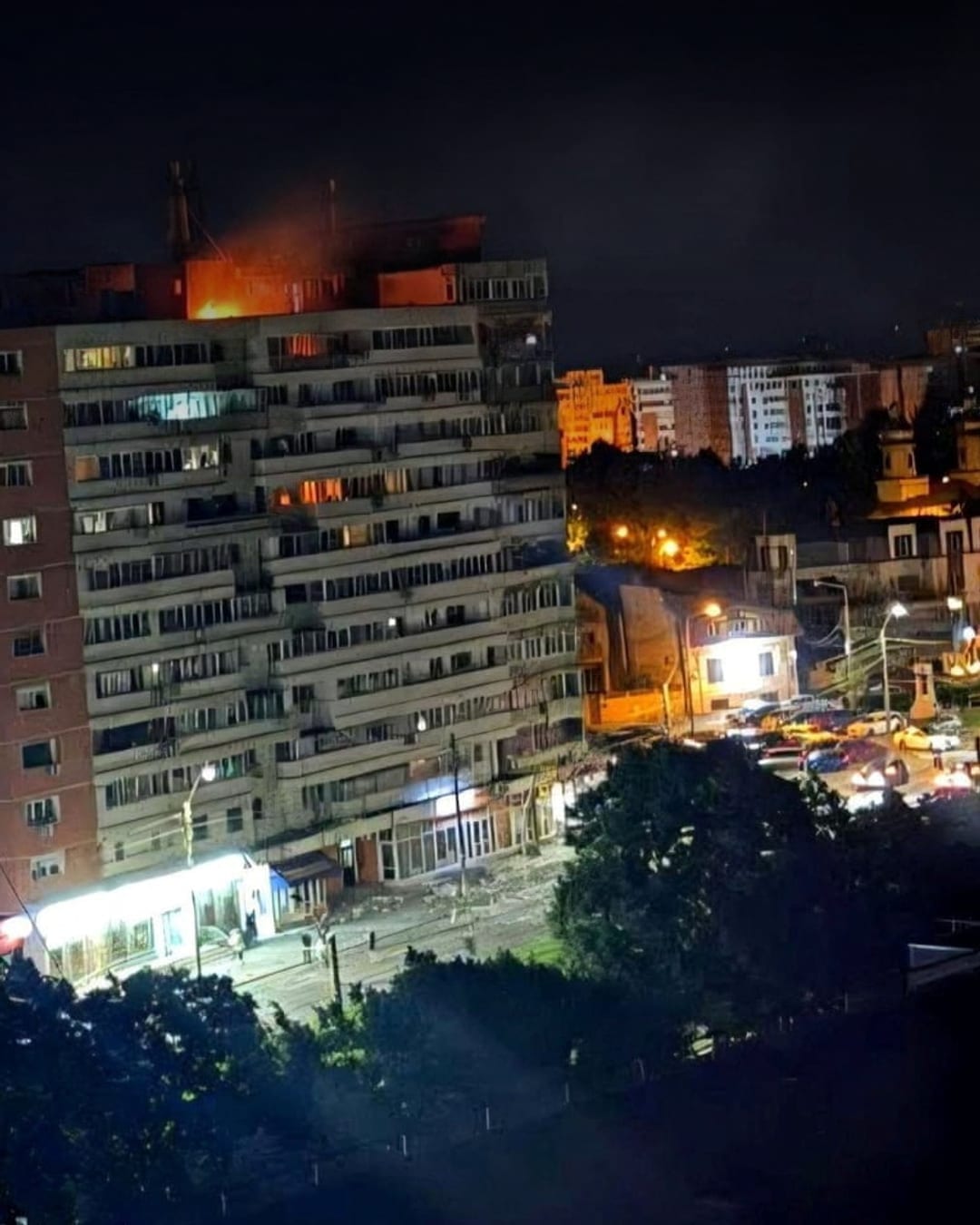
 Image: fire on the roof of the Galati apartment building after the drone crash - Romanian Department for Emergency Situations / Reuters via The Guardian.
- Romanian Foreign Minister Oana Toiu said the Galati drone crash fits the category of incidents that could justify Article 4 consultations.
- Article 4 is NATO's consultation mechanism when an ally believes its security or territorial integrity is threatened.
- Romania has discussed the option and sought faster anti-drone support; public reporting does not show that Article 4 has already been formally invoked.
Romania has moved the Galati drone crash from a border-security incident into explicit NATO consultation language.
Foreign Minister Oana Toiu told Digi24 that the overnight incident falls into the category of events that justify the use of Article 4-type instruments. The statement followed Romania's confirmation that a Russian-origin Geran-2 drone entered Romanian airspace during an attack on Ukraine and crashed into a residential apartment building in Galati, injuring two people.
What Toiu said
Asked whether NATO Article 4 should be activated, Toiu said the incident belonged to the class of events that justify such tools. She explained that Article 4 means consultations between allies when one of them considers its security to be threatened.
The important caveat is in the next step. Romanian and regional reporting describe Article 4 as an available instrument and part of ongoing discussions, not as a completed NATO action. That is why the cleaner headline is “could justify Article 4 talks,” not “NATO invokes Article 4.”
What Article 4 does
Article 4 of the North Atlantic Treaty is not Article 5 collective defence. It does not automatically mean military retaliation or that all NATO members treat the incident as an armed attack.
NATO's own explanation says Article 4 allows a member to bring an issue to the North Atlantic Council when it believes its territorial integrity, political independence or security is threatened. In practice, it is a formal consultation channel for allies to assess evidence, risk and possible political or military responses.
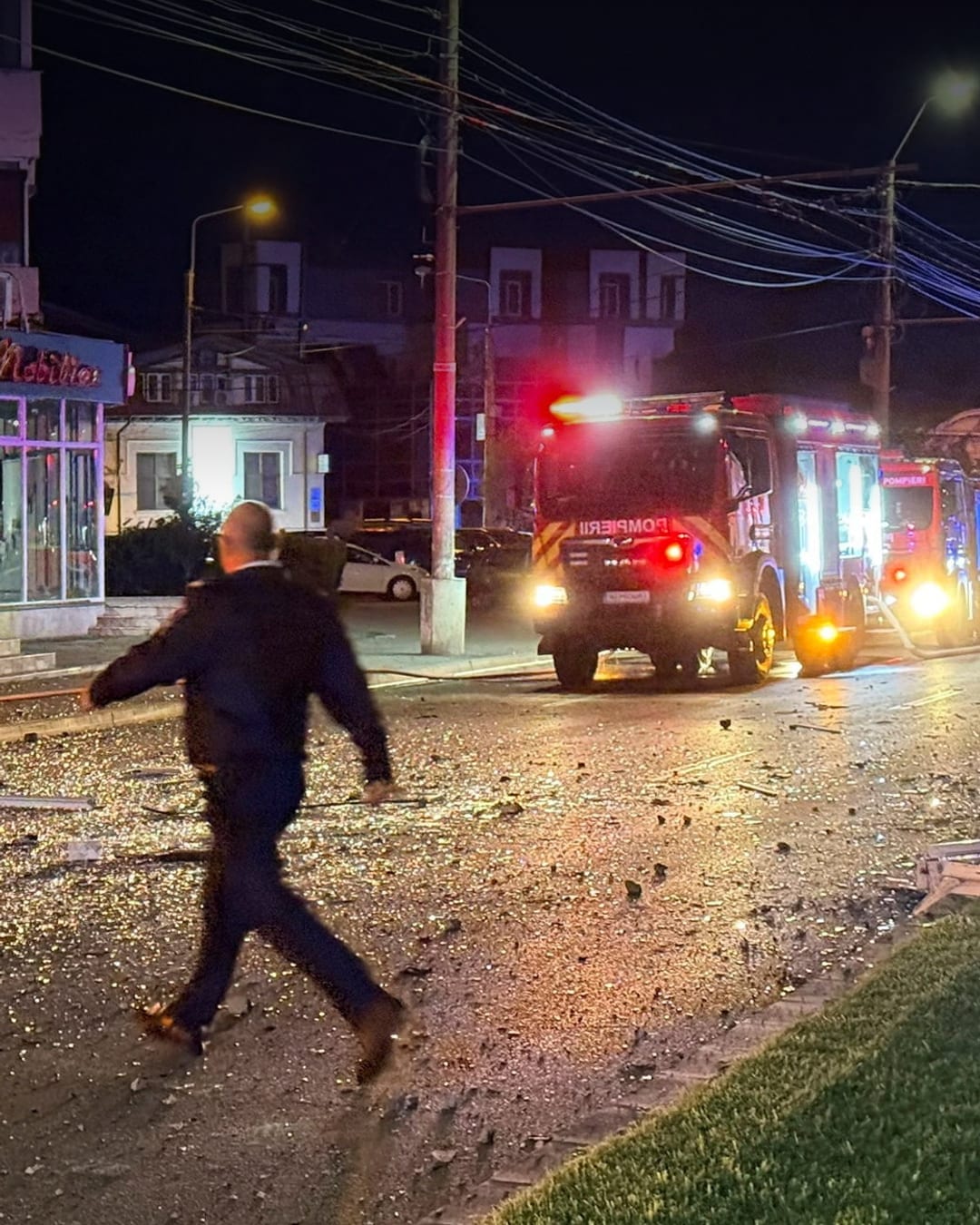 Image: debris in Galati after the drone hit and exploded - Inquam Photos / Reuters via The Guardian.
What Romania has already done
Romania's Defence Ministry said the drone was tracked by radar inside national airspace before it hit the building. A later update said preliminary findings showed the full payload of a Russian-origin Geran-2 drone exploded on impact.
Romania informed NATO allies and the NATO secretary general, requested faster transfer of anti-drone capabilities and summoned the Russian ambassador. President Nicusor Dan also convened the Supreme Council of National Defence, while Romanian officials stressed that the incident was a grave breach tied to Russia's war against Ukraine.
Why it matters
The Article 4 discussion changes the political weight of the story. It means Romania is not treating the drone hit only as debris from a distant war; it is treating it as an allied-security problem on NATO territory.
But the distinction between consultation and collective defence still matters. The verified public record supports: a Russian-origin drone hit Romanian territory, civilians were injured, Romania views the event as severe, and Article 4 is being discussed as a possible consultation route. It does not yet support: NATO has invoked Article 4, Article 5 has been triggered, or Romania has proven deliberate Russian targeting of Galati.
NoDechev rating: real escalation signal, careful wording required. Article 4 is on the table as a consultation tool; public sources reviewed here do not show it has already been formally invoked.
Ready social post
Romania's foreign minister says the Russian drone crash in Galati could justify NATO Article 4 consultations. Key caveat: Article 4 is a consultation mechanism, and public sources do not show NATO has formally invoked it yet.
Read the full incident brief