

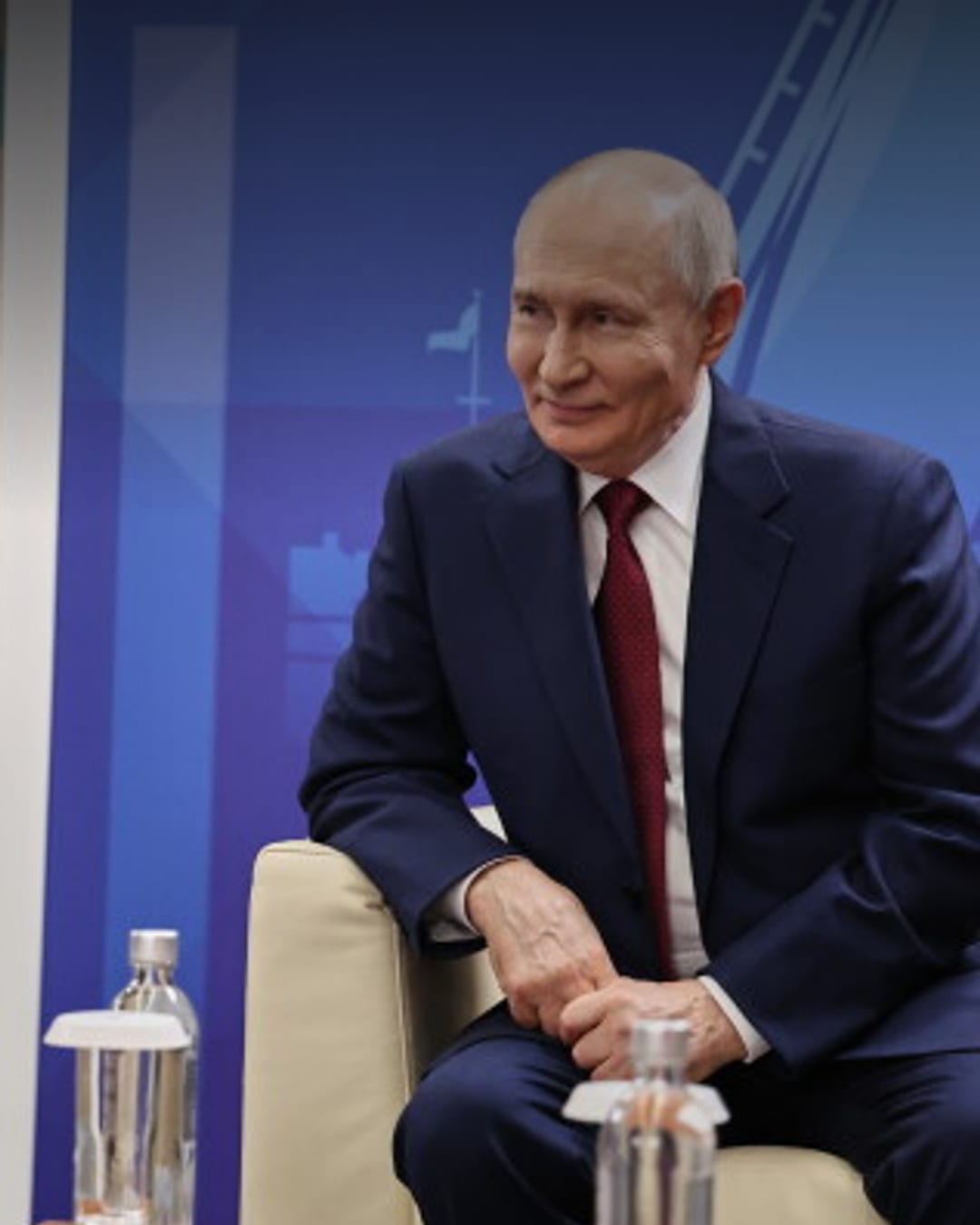
 Image: Vladimir Putin at the St. Petersburg International Economic Forum, June 5, 2026 — AP Photo/Dmitri Lovetsky.
- AP reports Putin rejected Zelenskyy’s proposal for a direct face-to-face negotiation, saying he currently sees “no point” in it.
- Zelenskyy’s June 4 open letter proposed talks in a neutral country and a full ceasefire during negotiations.
- The Guardian reports Putin also reaffirmed Russia’s territorial demands, including all of eastern Donbas.
- The cautious read: the meeting offer was real, the rejection was real, and Moscow’s conditions remain the core issue.
Vladimir Putin has rejected Volodymyr Zelenskyy’s offer of a face-to-face meeting, according to AP reporting from the St. Petersburg International Economic Forum. The Russian president said he saw “no point” in such a meeting for now and described Zelenskyy’s public letter as “boorish.”
That makes the headline real, but the story should not be read as a sudden collapse of active peace talks. This is better understood as a public rejection of Kyiv’s attempt to force leader-level diplomacy while Moscow continues to frame any settlement around Russian war aims.
What happened
On June 4, Zelenskyy published an open letter to Putin through the Ukrainian presidency. In it, he proposed direct engagement between the two leaders, suggested Switzerland, Turkiye or Arab countries as possible neutral hosts, and said Ukraine was ready for a full ceasefire while negotiations took place.
AP reported that Putin responded on June 5 at Russia’s annual St. Petersburg forum. He questioned whether the letter was meant to create conditions for a meeting or make such a meeting impossible, then said he believed it was the latter. He also linked his reluctance to a May 22 Ukrainian drone attack on a dormitory in Russian-controlled Luhansk that Moscow says killed 21 people.
What the sources say
The Guardian’s version adds the harder territorial context: Putin said Russia’s demands were unchanged and repeated claims involving Luhansk, Donetsk, Kherson and Zaporizhzhia. The outlet reported that Putin insisted Russia would achieve its war goals, including seizing all of eastern Donbas.
Ukraine does not recognize Russia’s annexation claims and says diplomacy should begin from the current front line, not from a pre-agreed surrender of Ukrainian-held territory. That is the gap the headline can easily hide: Zelenskyy’s offer is for talks and a ceasefire; Putin’s position, as reported, still points back to territorial concessions Kyiv says it cannot accept.
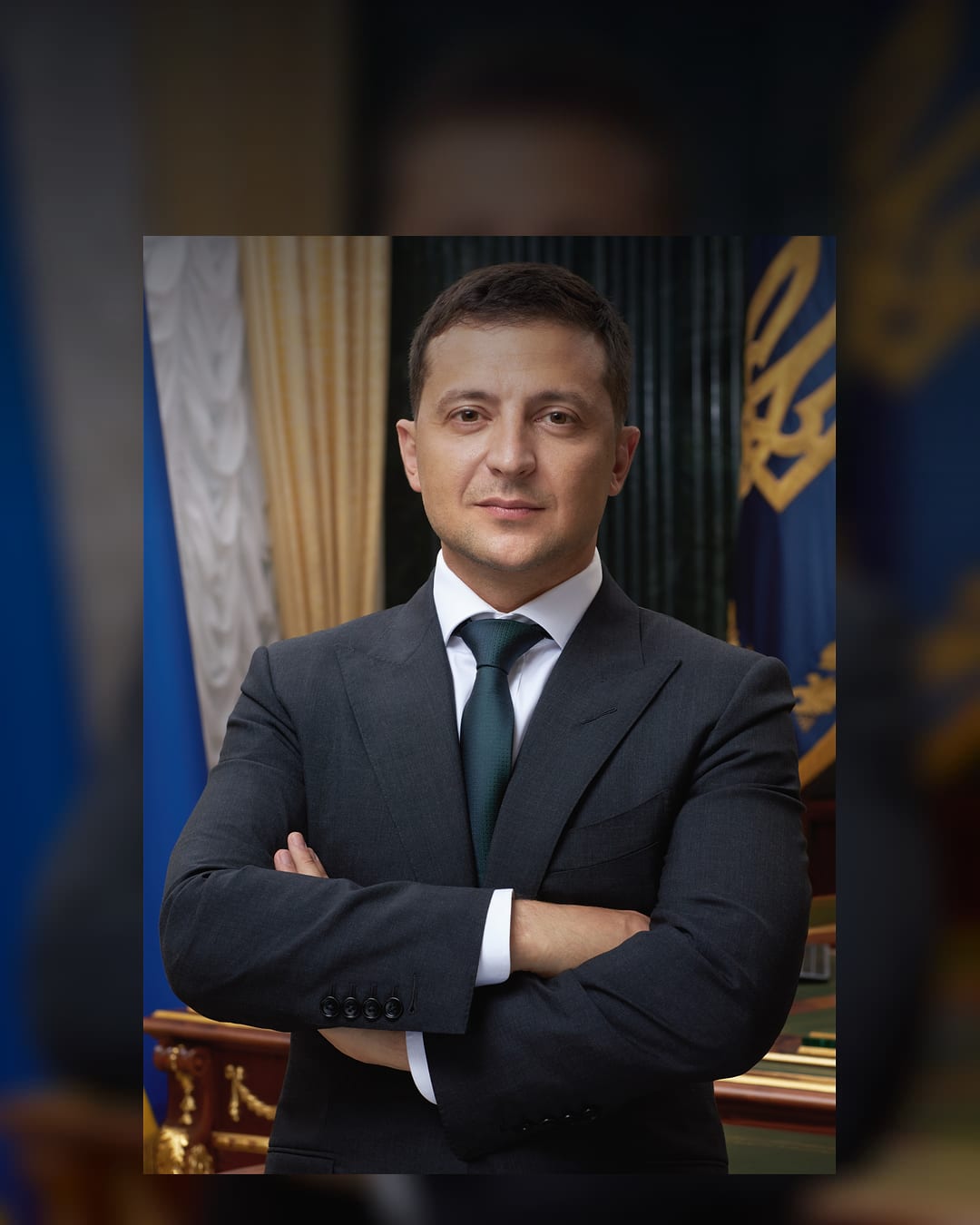 Image: Volodymyr Zelenskyy official portrait — President.gov.ua / Wikimedia Commons.
What is confirmed
It is confirmed that Zelenskyy publicly proposed a direct meeting and a ceasefire during negotiations. The official Ukrainian text says the talks could be held in neutral countries and that the United States and Europe should be part of the broader security-guarantee process.
It is also confirmed by AP that Putin rejected the face-to-face proposal in public and said he saw no point in it at this stage. AP places the exchange at the St. Petersburg International Economic Forum and ties it to the wider wartime pressure around Ukrainian long-range strikes and Russia’s aerial campaign.
What is not confirmed
It is not confirmed that there was an agreed summit date, an accepted negotiation format or a joint ceasefire mechanism ready to begin. It is also not confirmed that Russia has softened its territorial position. The available reporting points the other way: Putin’s rejection came alongside a restatement of Russia’s demands.
Why it matters
This matters because it separates diplomacy as performance from diplomacy as process. Zelenskyy’s letter pressures Putin by asking him to show whether he wants leader-level talks. Putin’s answer, at least publicly, is that he does not see value in that meeting unless the political conditions change.
For readers, the safest wording is simple: Putin rejected Zelenskyy’s offer for direct talks and reaffirmed Russian war aims. Anything stronger, such as “peace talks collapsed,” would overstate what is actually on the record.
What to watch next
The next signal is whether Kyiv’s allies treat the rejection as proof that pressure on Moscow should increase. Zelenskyy said after Putin’s response that Russia was again choosing war. If the United States and European governments echo that framing, the story moves from an exchange of letters into a sanctions, weapons and ceasefire-monitoring debate.
NoDechev rating: real report, but not a new peace framework. The verified fact is Putin rejecting a direct meeting offer; the deeper signal is Moscow keeping territorial demands at the center of any negotiation.
Also Read
For the earlier conditional peace signal from Moscow, read the June 4 brief on Putin saying Russia was open to a Ukraine deal.
Read the earlier Putin-Ukraine deal brief ->