
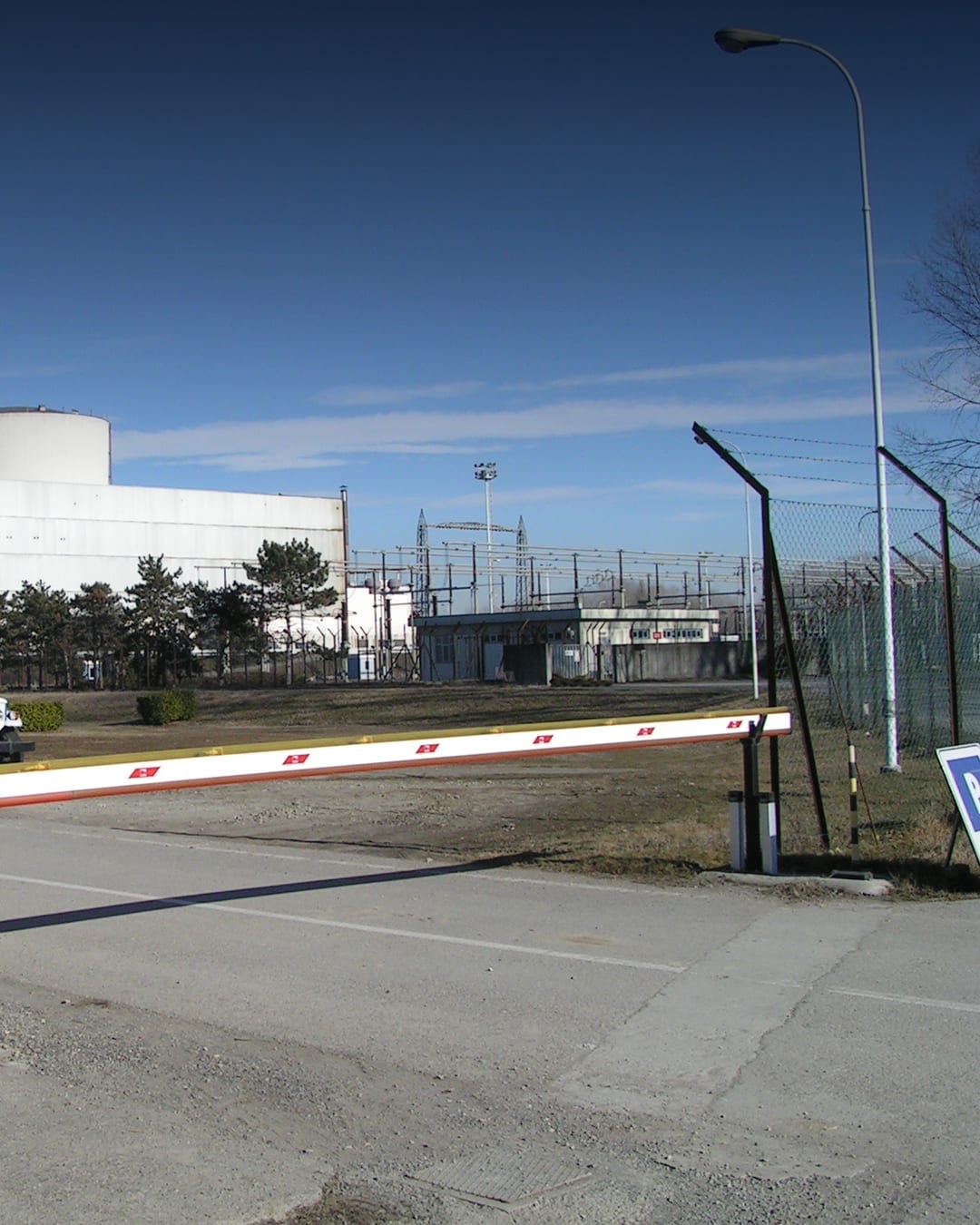
 Image: Caorso Nuclear Power Plant, Italy — Wikimedia Commons
- Italy’s government is preparing the legal framework for a possible return to nuclear power after shutting reactors following the 1987 post-Chernobyl referendum.
- The Meloni government’s focus is not old-style reactor construction immediately, but advanced nuclear, small modular reactors and a new regulatory framework.
- No reactor has been approved or started yet; the realistic story is policy revival, not an immediate nuclear buildout.
Italy is moving closer to reopening the nuclear question nearly four decades after voters pushed the country out of atomic power.
Prime Minister Giorgia Meloni’s government has been advancing legislation designed to create a legal and regulatory path for nuclear energy again, with emphasis on advanced reactors, small modular reactors and long-term energy independence.
What changed
The key move is legislative. In 2025, Italy’s government adopted a plan that would allow the country to rebuild a nuclear framework, including rules for regulation, safety, research, skills and siting.
By 2026, officials were still pushing the enabling law forward, with Energy Minister Gilberto Pichetto Fratin and Meloni’s government framing nuclear as a way to reduce import dependence, stabilize long-term energy costs and support decarbonization alongside renewables.
Why this is symbolic in Italy
Italy once had operating nuclear plants, including Caorso and Trino. That era effectively ended after the Chernobyl disaster and Italy’s 1987 referendum, which accelerated the phaseout. The last reactors were closed by 1990.
A later attempt to revive nuclear power was rejected again in a 2011 referendum after Fukushima. That history is why any new nuclear move in Italy carries more political weight than an ordinary energy-policy proposal.
 Image: Giorgia Meloni official 2024 portrait — Italian government / Wikimedia Commons
What kind of nuclear is being discussed
The government is pointing toward advanced nuclear technologies rather than simply restarting the old system. That includes small modular reactors, advanced modular reactors and nuclear research partnerships involving Italian industrial groups and foreign partners.
The argument is that newer reactors could be smaller, more flexible and easier to pair with a grid increasingly built around renewables. Supporters also say nuclear could reduce Italy’s exposure to imported gas and imported electricity.
What is not happening yet
Italy is not building a new reactor today. No final site has been selected, no plant has been licensed and no commercial project has broken ground.
The near-term work is legal architecture: creating a nuclear safety authority, defining a national program, setting siting rules, clarifying waste management and deciding how private companies could participate.
The big caveats
The timeline is long. Even if the political framework passes, any actual reactor would face years of licensing, financing, public acceptance fights and local siting disputes. Early 2030s is the optimistic zone often discussed for first serious deployment steps, not a guaranteed completion date.
Public opinion is another constraint. Italy’s two anti-nuclear referendum moments — 1987 and 2011 — still shape the debate. The Meloni government can reopen the policy door, but turning that into operating reactors is a much harder test.
NoDechev rating: real policy shift, not an immediate nuclear comeback. Italy is moving to rebuild the legal path for nuclear power, especially advanced reactors, but actual deployment remains years away and politically sensitive.
Also Read
More source-checked policy shifts and energy stories.
Read: Is Trump Opening Land for Drilling Near National Parks?