

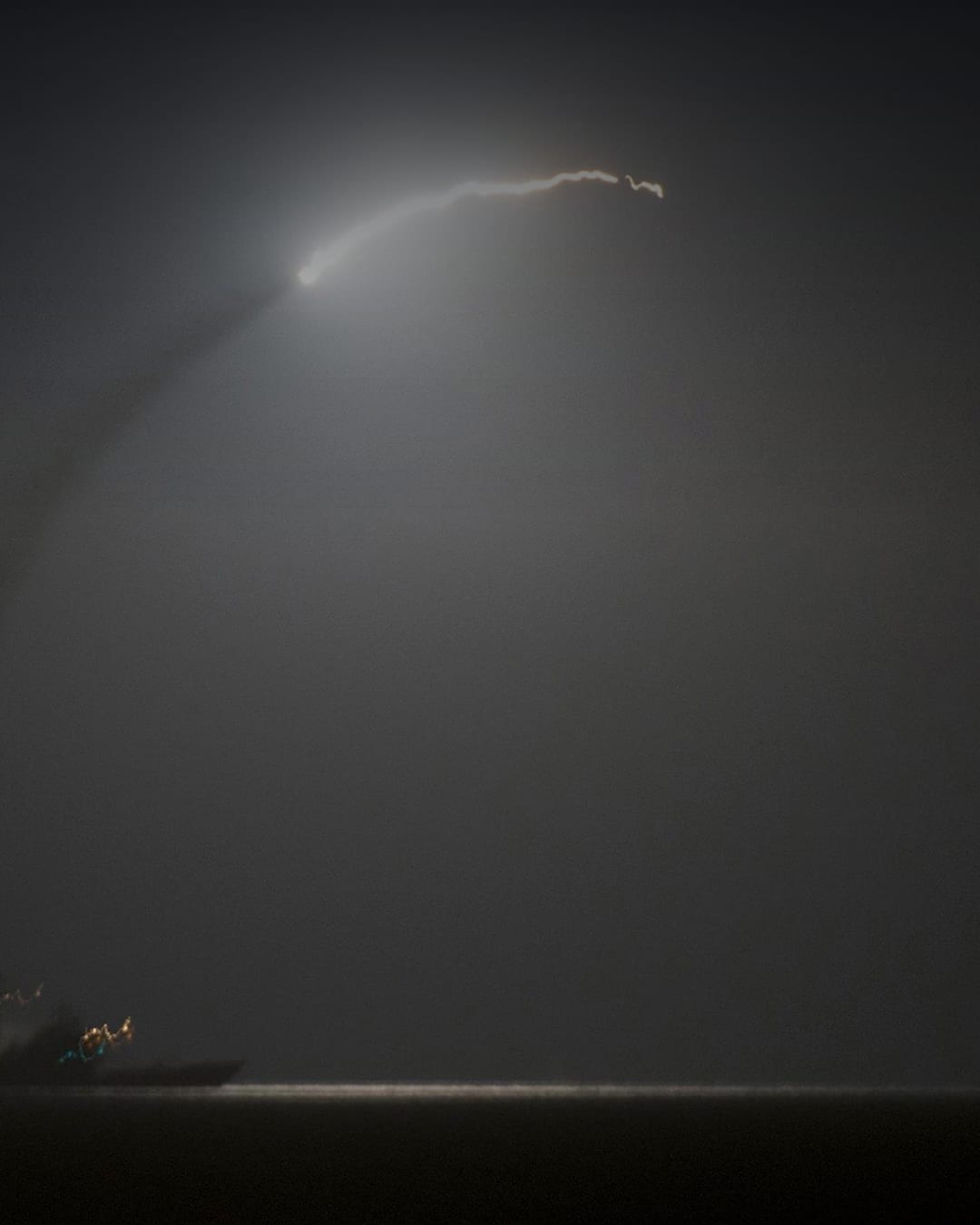
 Image: Tomahawk missile fired from U.S. Navy destroyers - U.S. Navy / Department of Defense / Wikimedia Commons, public domain.
- Iran's Khatam al-Anbia command says the Strait of Hormuz is closed to all vessel traffic after new U.S. strikes.
- Tasnim, Straits Times and Times of Israel carried the closure claim on June 11, 2026.
- CENTCOM disputes the claim and says commercial ships are still moving through the strait.
- The clean read: the political and military threat is confirmed; the actual shutdown remains contested.
Iran has escalated the Hormuz crisis from a pressure campaign to an explicit closure claim.
Tasnim News Agency reported that Iran's Khatam al-Anbia Central Headquarters announced a full closure of the Strait of Hormuz after new U.S. attacks on southern Iran. The statement said all vessel traffic, including oil tankers and commercial ships, would be treated as targetable traffic.
What Iran announced
The Iranian command framed the order as a response to what it called U.S. aggression in Hormozgan province, the coastal province that includes Bandar Abbas, Qeshm Island and other sites near the strait.
The key line is not that traffic has already stopped. The key line is that Tehran says it has issued an order: vessels should not attempt to transit Hormuz, and any movement may be targeted. That is why the headline needs precision. Iran says the strait is closed; whether the strait is physically and commercially shut is still being contested in real time.
What the U.S. says
U.S. Central Command disputes Iran's version. Times of Israel's live coverage reported CENTCOM denying that Iran had shuttered the strait and saying commercial ships were continuing to transit in and out of Hormuz. CENTCOM also disputed Iranian claims that two ships had been struck in the waterway.
That dispute matters. A formal Iranian closure order is a major escalation. A verified physical shutdown, with traffic stopped and ships turning back, would be a larger global energy event. The public source trail currently supports the first claim more strongly than the second.
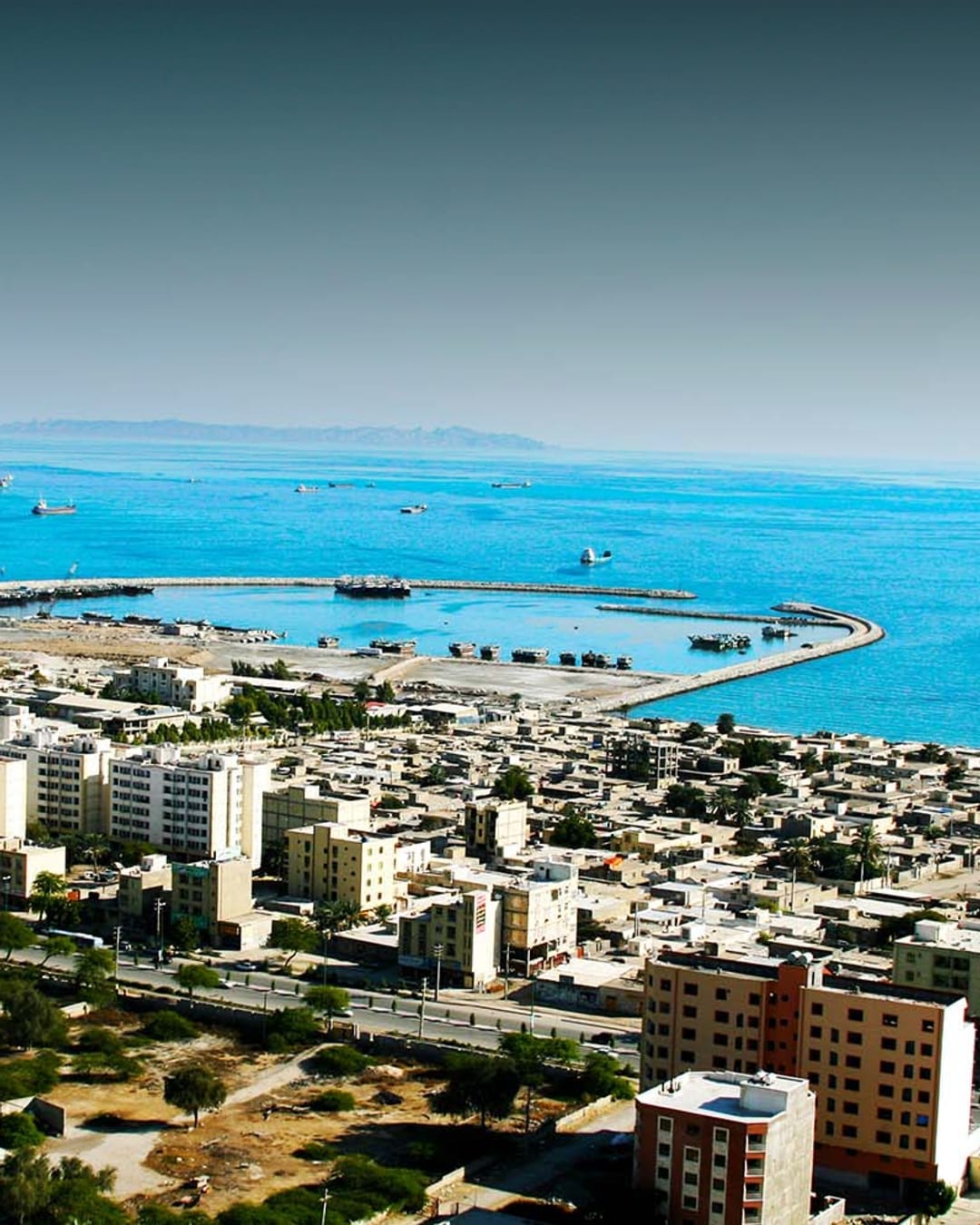 Image: Bandar Abbas fishing port in southern Iran - Wikimedia Commons, Creative Commons licensed.
What happened before the announcement
The closure claim followed a new wave of U.S. strikes. Straits Times, citing Bloomberg, AFP and Reuters, reported that U.S. Central Command began additional self-defense strikes at 5:15 p.m. New York time on June 10. The reported target set included Iranian military surveillance capabilities, communication systems and air defense sites.
Iranian outlets reported explosions around Bandar Abbas, Qeshm, Minab and Sirik. Those are not random place names. They sit around the southern Iranian coast and island chain that shape the northern side of Hormuz.
Why it matters
The Strait of Hormuz is not just another maritime chokepoint. It is the route through which a large share of the world's oil and LNG trade moves from the Gulf into open water. Even a credible threat can raise insurance costs, redirect shipping, move crude prices and force Gulf states to activate air and maritime defenses.
The most dangerous version of this story is a strike loop: U.S. forces hit Iranian military sites, Iran threatens or attacks traffic near Hormuz, and Washington then treats those threats as justification for more strikes. That loop can escalate faster than diplomats can narrate it.
What is confirmed
Confirmed: Iranian state-linked reporting says the Khatam al-Anbia command declared Hormuz closed. Confirmed: the announcement came after another U.S. strike wave. Confirmed: CENTCOM disputes the claim and says commercial traffic is still moving. Confirmed: markets and regional security agencies are now treating the threat as serious.
What still needs verification
The next facts to verify are practical, not rhetorical: AIS movement through the strait, shipping-company advisories, insurance notices, port delays, tanker diversions, and any independent confirmation that ships were hit or forced away from the passage.
Until those arrive, the best wording is: Iran announced a full closure of the Strait of Hormuz, but the United States disputes that the closure is effective.
NoDechev rating: announcement confirmed, physical shutdown disputed. The Iranian closure order is real; whether Hormuz is fully closed is the live question.
Ready social post
Iran says it has fully closed the Strait of Hormuz after new U.S. strikes. CENTCOM disputes the shutdown and says commercial ships are still transiting. The order is confirmed; the operational closure is still disputed.
Read next: Trump's new bombing threat