
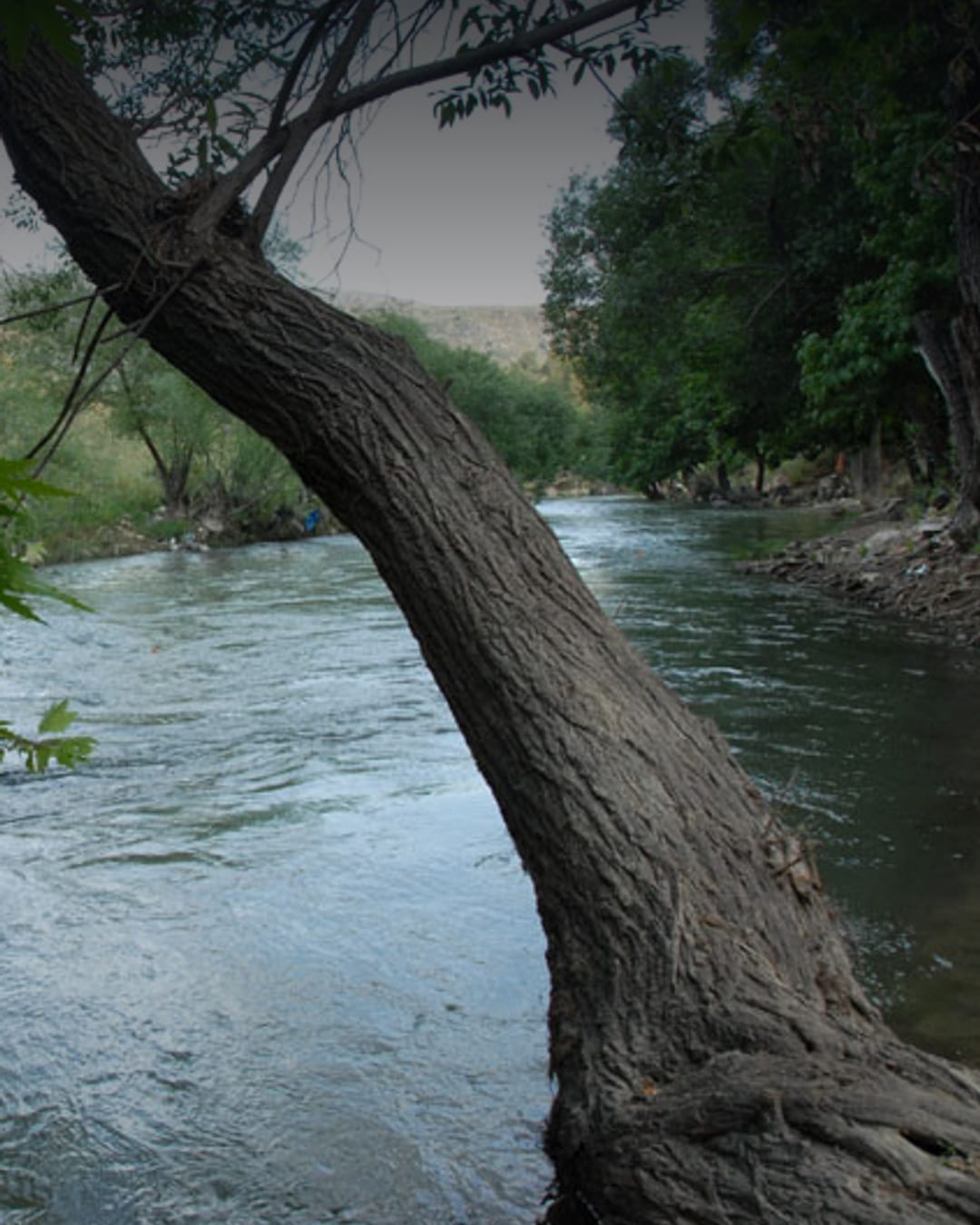
 Image: Litani River in southern Lebanon, via Wikimedia Commons.
- Reuters-syndicated reports say Iran has promised Hezbollah more funding once U.S.-Iran deal benefits are unlocked.
- The expected support is tied to sanctions relief, oil waivers and access to frozen Iranian assets.
- No actual transfer has been confirmed, and the report relies on sources rather than a public Iranian funding announcement.
Iran has promised to boost funding to Hezbollah once frozen assets are released and sanctions are lifted under the U.S.-Iran agreement, according to Reuters-syndicated reporting carried by The Economic Times and News24.
The claim matters because it turns the U.S.-Iran deal from a nuclear and ceasefire story into a Lebanon power story. If Tehran gains access to more money, Hezbollah could recover faster from wartime losses and reassert itself inside Lebanon.
What happened
The Reuters-based report says sources expect Hezbollah to receive a major cash injection from Iran after the deal is sealed. The New York Post also framed the story as Iran promising to help Hezbollah financially and politically once assets are unfrozen and sanctions are lifted.
The reported support would come after a costly war period for Hezbollah. Public reports say the group has suffered losses, seen funding pressure and reduced cash aid to displaced families during the conflict.
What is confirmed
Confirmed: multiple outlets published the source-based report on June 17 and June 18. Confirmed: the reported promise is tied to Iran gaining access to frozen funds, oil activity and sanctions relief through the U.S.-Iran deal track.
Confirmed context: the U.S.-Iran memorandum includes a 60-day interim framework, sanctions-relief mechanisms and Lebanon-related ceasefire language. That makes Hezbollah one of the most sensitive implementation points.
What is not confirmed
Not confirmed: the amount Hezbollah would receive. Not confirmed: the timing of any transfer. Not confirmed: the channels Iran would use to move money, especially with terrorism-financing restrictions and U.S. scrutiny still in place.
Also not confirmed: that the U.S. would tolerate funds being routed to Hezbollah. That is the core policy contradiction. Washington wants the Iran deal to reduce regional conflict; Hezbollah funding would be read by Israel and U.S. critics as the opposite.
Why it matters
Hezbollah does not only operate as an armed group. It is also a political, social and patronage network inside Lebanon. A cash injection could help it rebuild damaged structures, compensate supporters, restore services and resist pressure from Lebanon's U.S.-backed government to curb its military role.
For Israel, the funding question will likely become one of the sharpest arguments against the deal. For Trump, it creates a verification problem: sanctions relief can be sold as part of ending the war only if the money is not seen as rapidly strengthening Iran's regional allies.
What to watch next
Watch for any named Iranian official confirming or denying the funding promise, Hezbollah statements about reconstruction aid, Treasury or State Department warnings, and Israeli claims that sanctions relief is being diverted to Hezbollah.
NoDechev rating: credible source-based report, transfer not confirmed. Iran is reported to have promised more Hezbollah funding once assets and sanctions relief arrive; the amount, channel and timing remain unverified.
Ready social post
Sources cited in Reuters-syndicated reporting say Iran has promised Hezbollah more funding once assets are unfrozen and sanctions are lifted under the U.S.-Iran deal. Caveat: this is a conditional source-based report, not confirmation that money has already been transferred.
Read next: U.S. and Iran presidents sign ceasefire agreement