
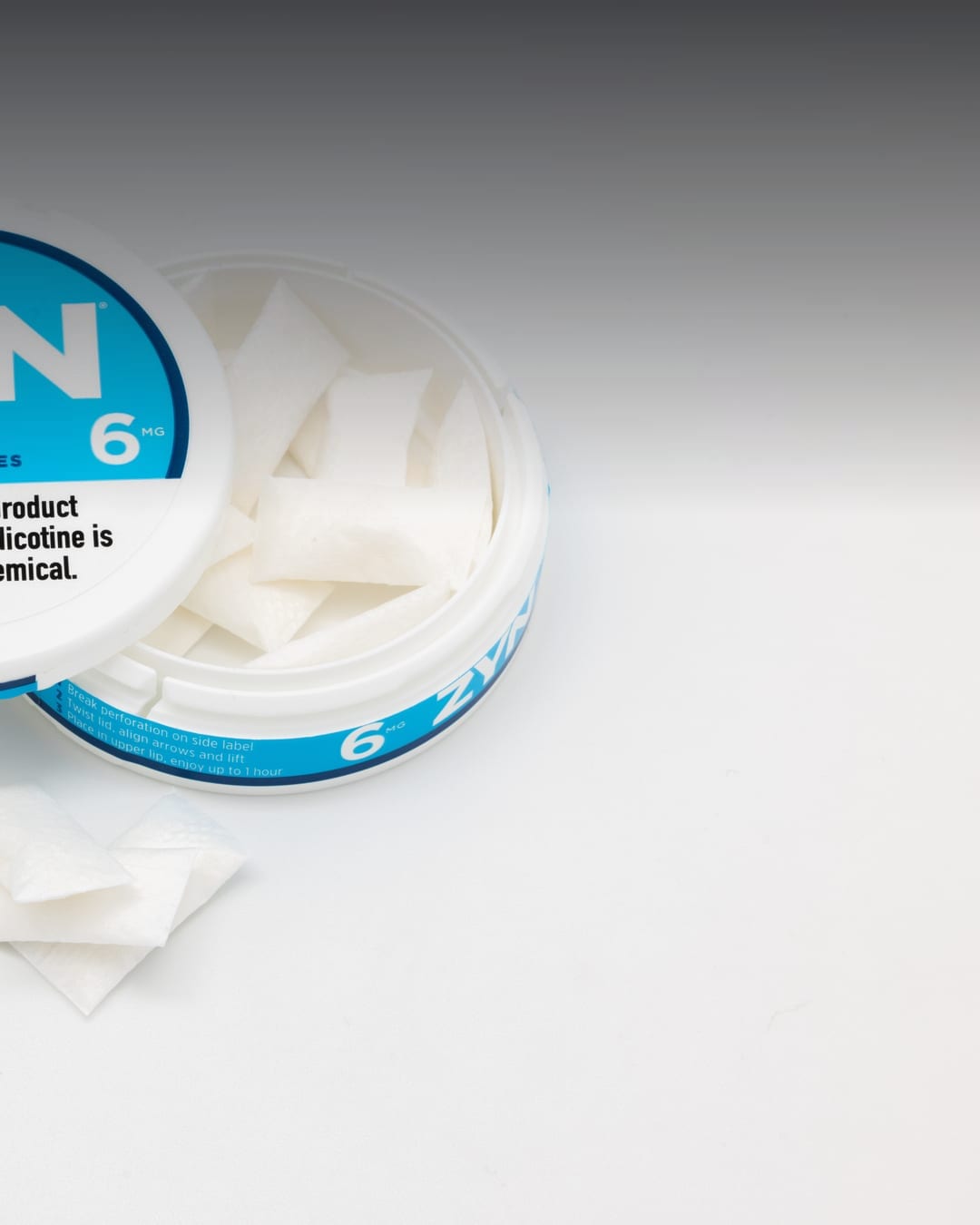
 Image: Wikimedia Commons. Zyn nicotine pouches used as product-context image.
- France has banned nicotine pouches and several other oral nicotine products from April 1, 2026.
- The ban covers use, acquisition, possession, importation, offer, transfer and sale. Medical nicotine-replacement products are exempt.
- The “five years in prison” line reflects possible maximum penalties under France’s broader health-law framework, not a clearly stated routine penalty for every pouch user.
A viral headline says France has banned Zyns and other nicotine pouches, with violators facing five years in prison and a “shocking” fine.
The first part is true. France has moved to ban tobacco-free oral nicotine products, including the small white pouches sold by brands such as Zyn. The second part is technically grounded but framed for maximum outrage: the harshest penalty numbers are possible legal exposure under related public-health rules, not a simple automatic punishment for anyone caught with a pouch.
What France banned
The measure is Décret n° 2025-898 du 5 septembre 2025, published in France’s official legal journal. Public-facing French government guidance says that from April 1, 2026, nicotine pouches, nicotine beads and other oral products containing nicotine can no longer be consumed in France.
The ban is broader than retail sales. Service-Public.fr says it covers use, acquisition, possession and sale, among other activities. A French diplomatic information page in English describes it as a prohibition of use, acquisition, possession and sale.
The products covered include oral nicotine pouches, beads, chewing gums, lozenges, liquids and similar products intended to release nicotine through the mouth. The core target is the newer tobacco-free pouch market that has grown fast among younger consumers.
What is exempt
The ban does not cover everything with nicotine. The French guidance says chewing tobacco is excluded, as are medicines and medical devices used for smoking cessation, such as pharmaceutical nicotine gums and inhalers.
That distinction matters because the policy is aimed at consumer nicotine products marketed in flavors and formats that health authorities say appeal to young people, not at regulated nicotine-replacement therapy used to quit smoking.
 Image: Wikimedia Commons. Nicotine pouches used as product-context image.
The five-year prison claim
This is the part most likely to mislead. Some coverage and industry commentary say violations can carry up to five years in prison and fines as high as €375,000. Those figures appear to come from the wider French public-health code framework for prohibited or controlled toxic substances, after nicotine in these products was brought under that regulatory logic.
But the decree itself is not written as a viral one-line punishment: “carry Zyn, get five years.” The official public guidance focuses on the ban and its scope. It does not present five years as the routine or standard penalty for ordinary personal use.
So the careful wording is: France has banned possession and use of these products, and serious violations — especially commercial import, sale or distribution — may expose violators to severe maximum penalties under the broader legal framework. Real-world enforcement against individual users remains the open question.
Why France is doing it
French authorities cite youth uptake and health risks. Service-Public.fr points to a 2023 ANSES warning that nicotine pouch advertising is prominent on social networks and targets young consumers. ANSES also warned that regular nicotine use can lead to dependency and that some pouch use has caused acute nicotine syndromes, including prolonged vomiting, dehydration risk and seizures.
That puts France on the stricter side of Europe’s nicotine-pouch debate. Supporters of the ban see it as youth protection. Critics argue that banning lower-risk nicotine alternatives could push some users back toward cigarettes or create a black market.
What to watch next
The next signal is enforcement. Will France focus on importers, online sellers and retailers, or will ordinary possession cases become visible? The government guidance says possession and use are banned, but actual prosecutorial practice will decide how dramatic the policy feels in daily life.
For now, the accurate version is this: France has banned Zyn-style nicotine pouches and other oral nicotine products from April 1, 2026. The “five years in prison” claim is a maximum-penalty framing that needs context, not the baseline outcome for every violation.
NoDechev rating: real ban, sensational penalty framing. France’s official guidance confirms the prohibition. The prison/fine language is possible maximum exposure, especially relevant to serious commercial violations, but viral headlines overstate how straightforward that penalty is.
Ready social post
France really has banned Zyn-style nicotine pouches from April 1, 2026, including possession/use and sale. But the viral “5 years in prison” line is maximum-penalty framing under broader health law — not a clear automatic sentence for every user.
Read next: UK Heat Raises Air Conditioning Calls