

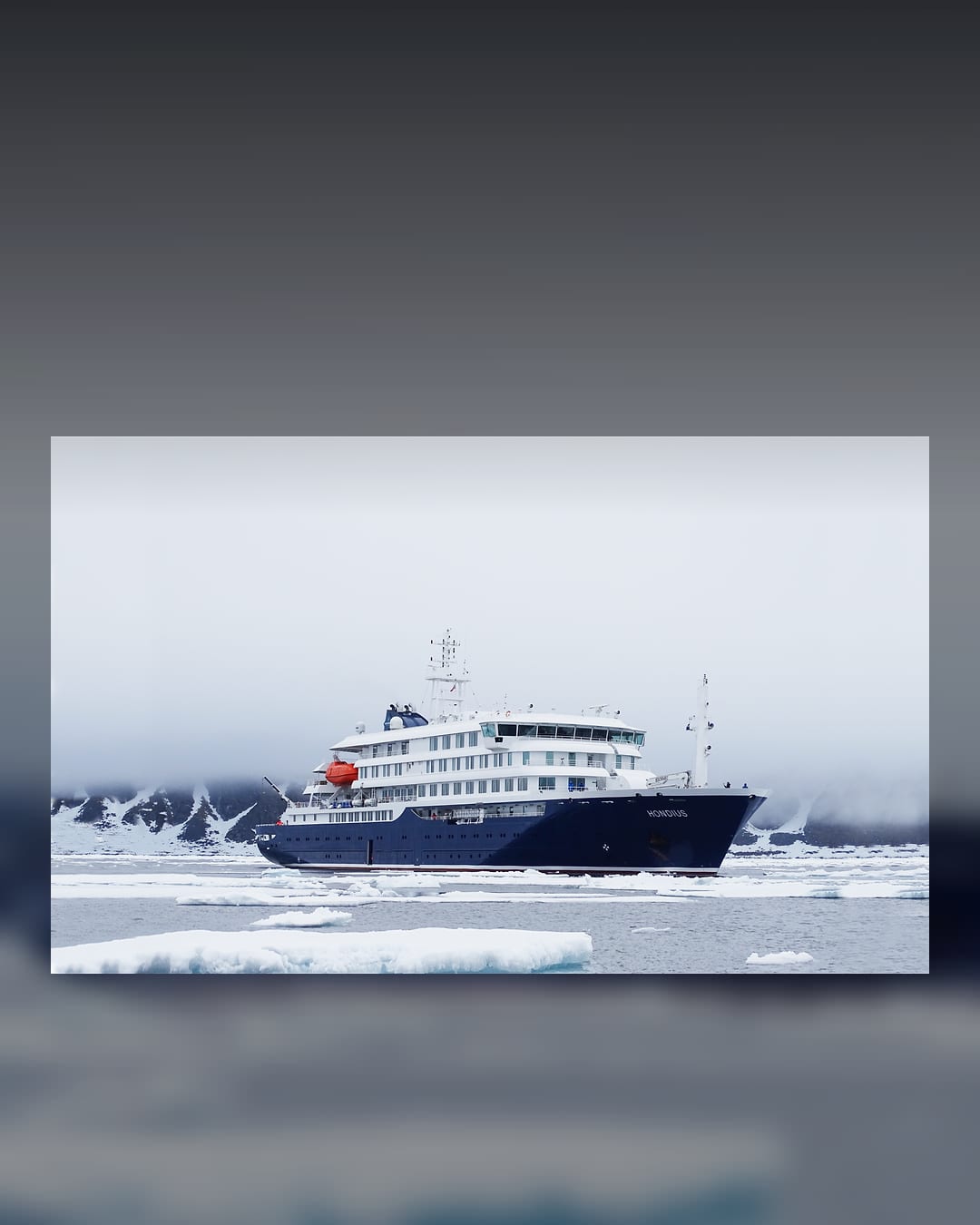
 Image: MV Hondius expedition cruise ship — Fdesroches / Wikimedia Commons, CC BY-SA 4.0
- WHO says the Netherlands confirmed an additional hantavirus case linked to the MV Hondius cruise-ship cluster.
- The case involves a crew member who disembarked in Tenerife, was repatriated to the Netherlands and had been isolating.
- WHO’s latest public figure is now 12 suspected and confirmed cases in total, including three deaths.
The new case is real, but the useful read is narrower than the headline panic version: this is still a cruise-ship-linked cluster, not evidence of broad community spread in the Netherlands.
According to AFP reporting on remarks from WHO Director-General Tedros Adhanom Ghebreyesus, Dutch authorities confirmed an additional hantavirus case in a member of the MV Hondius crew. The person had disembarked in Tenerife, was repatriated to the Netherlands and had been isolating since then. Tedros said the cluster now stood at 12 suspected and confirmed cases in total, including three deaths.
What happened
The case is part of the multi-country hantavirus cluster linked to MV Hondius, a Dutch-flagged expedition cruise ship. WHO was first notified on May 2 of severe respiratory illness cases aboard the vessel.
In its latest formal Disease Outbreak News report, WHO said that as of May 13 there were 11 reported cases linked to the cluster, including three deaths. Eight were laboratory-confirmed Andes virus infections, two were probable cases and one remained inconclusive pending further testing.
The newly reported Dutch case comes after that May 13 WHO tally. That is why the safest wording is “additional case reported in the Netherlands,” not “new Netherlands outbreak.”
Why the virus matters
Hantaviruses are usually acquired through contact with urine, faeces or saliva from infected rodents, or contaminated surfaces. The strain in this cluster is Andes virus, which is unusual because limited human-to-human transmission has been documented, generally after close and prolonged contact.
That distinction matters. Most hantaviruses do not spread easily between people. Andes virus can, but WHO and ECDC describe the wider public risk as low when contacts are traced, monitored and isolated.
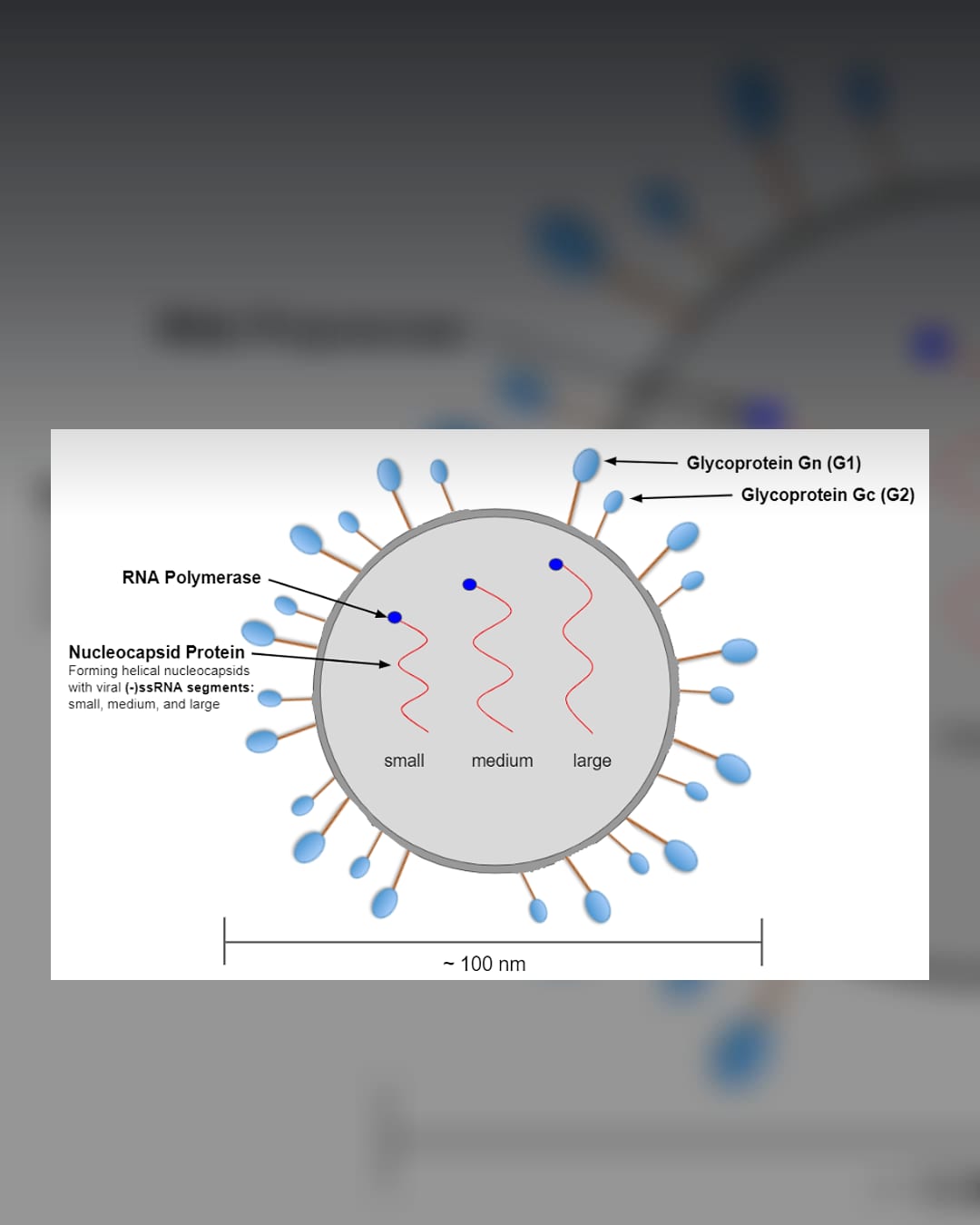 Image: Andes orthohantavirus structure illustration — Lexi Schoonover / Wikimedia Commons, CC BY-SA 4.0
What the Netherlands says
The Dutch public-health agency RIVM said MV Hondius docked in Rotterdam on May 18 with 27 people still on board. The crew members underwent medical examinations and testing after arrival, and RIVM said samples from those people were negative at that point.
RIVM has also said people linked to the ship remain under mandatory quarantine or monitored quarantine arrangements regardless of initial test results, because the incubation period can be long and symptoms can develop later.
What is confirmed and what is still open
Confirmed: WHO has tracked a hantavirus cluster linked to MV Hondius; the strain is Andes virus; multiple countries are involved in contact tracing; and WHO’s chief said the Netherlands confirmed a further linked case, taking the public suspected-and-confirmed total to 12.
Still open: how WHO will classify the additional case in the next formal Disease Outbreak News update, whether any other quarantined contacts later test positive, and exactly where the first infection occurred before spread aboard the ship.
Why it matters
This story is a good example of a scary pathogen headline that needs careful framing. Hantavirus can be severe, and this cluster has already caused deaths. But the event is being managed through contact tracing, quarantine, testing and ship disinfection — not treated by health agencies as uncontrolled spread in Europe.
The most accurate signal is: another linked case has been reported, monitoring continues, and public-health agencies still frame the wider risk as low.
NoDechev rating: verified developing. The additional Netherlands-linked case is reported from WHO chief Tedros’s remarks via AFP and fits the MV Hondius cluster; official case classification may update in WHO’s next formal outbreak report.
Also Read
Another public-health brief where the headline needs exact context.
Read: Gonorrhoea and Syphilis Hit Record Levels in Europe