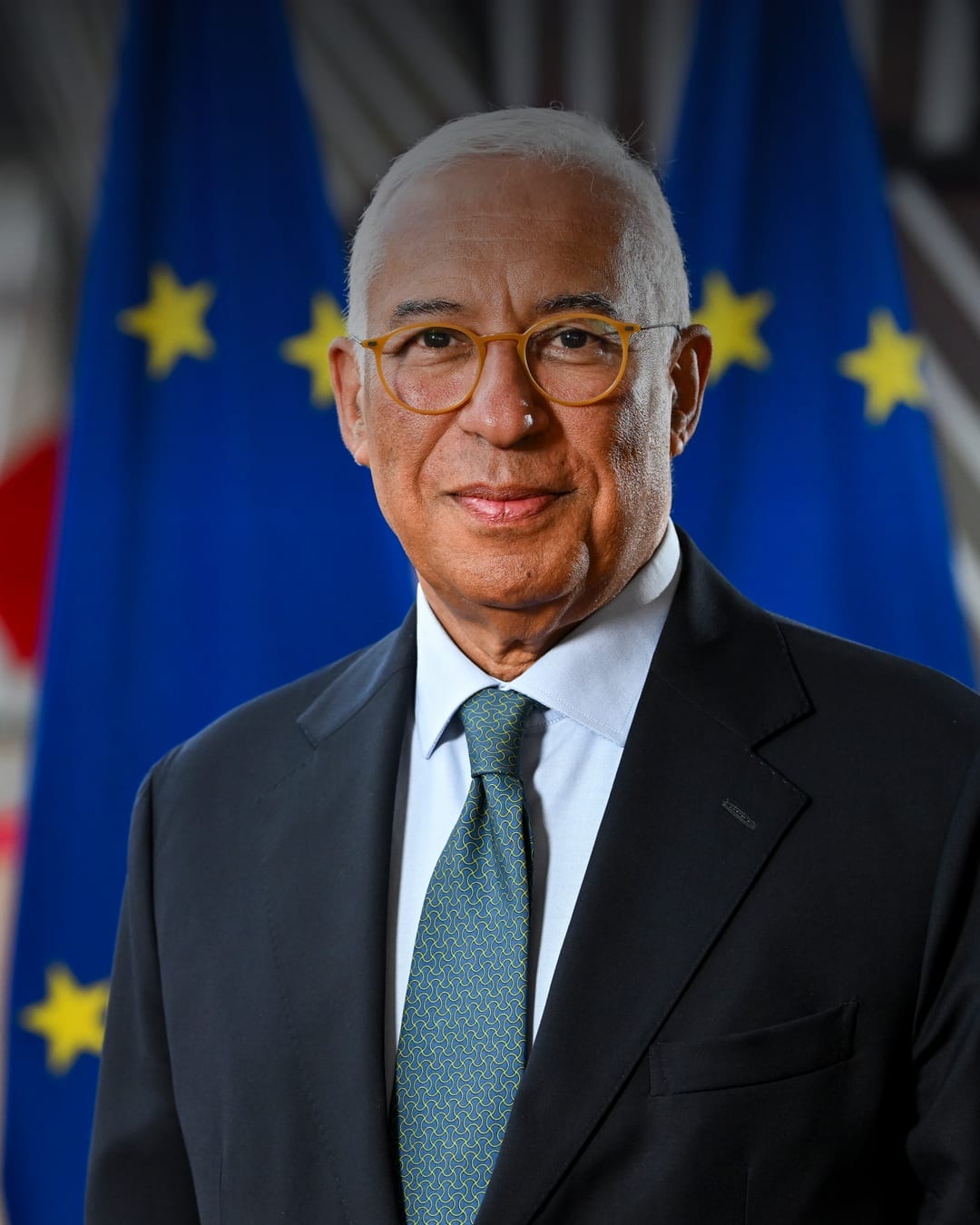
 Image: Antonio Costa official portrait, October 2024 - Frederic Sierakowski / European Council via Wikimedia Commons.
- European Council President Antonio Costa welcomed the announced U.S.-Iran agreement.
- He pointed to ending the war and restoring freedom of navigation through the Strait of Hormuz.
- The EU says it is ready to contribute to a strategy for lasting peace, while nuclear and implementation details still need scrutiny.
European Council President Antonio Costa has welcomed the announced U.S.-Iran agreement as European leaders move quickly to support the diplomatic track after months of regional escalation.
Costa's message is important because it frames Europe as a contributor to the next phase: turning a ceasefire and Hormuz reopening into something that can hold beyond the first announcement cycle.
What happened
Costa wrote on X that he welcomed the agreement announced between Washington and Tehran and looked forward to an end to the costly war, along with the full restoration of freedom of navigation in the Strait of Hormuz.
AFP-linked reports, carried by outlets including The Guardian, Punch and Dawn, said Costa also signaled that the European Union was ready to contribute to a strategy for lasting peace.
The reaction came after the United States and Iran said they had reached a deal to end the Middle East war on multiple fronts and reopen the Strait of Hormuz, with a formal signing expected later in the week.
What is confirmed
Confirmed: Costa welcomed the U.S.-Iran announcement and publicly tied his reaction to ending the war and restoring navigation through Hormuz. Confirmed: European reaction is supportive but cautious, with leaders still emphasizing implementation and Iran's nuclear commitments.
Also confirmed: the deal's full text has not been published. That means Costa's statement is a diplomatic endorsement of the announced framework, not independent confirmation of every reported clause.
What is not confirmed
Not confirmed: the final signed text, the enforcement mechanism, the exact timetable for fully reopening Hormuz, and the technical nuclear details that European governments say remain central to durable peace.
Also not confirmed: what specific EU contribution will look like. It could mean diplomatic backing, technical support, monitoring, maritime coordination or participation in follow-on talks. Costa's public statement does not define the instrument yet.
Why it matters
Europe has two direct interests here: regional de-escalation and open shipping through one of the world's most important energy corridors. Hormuz disruption feeds energy prices, insurance costs and inflation risk far beyond the Gulf.
There is also a nuclear-policy layer. European leaders are welcoming the de-escalation while still pressing the core point that Iran must not acquire a nuclear weapon and that any durable arrangement needs verification.
What to watch next
Watch whether the EU turns Costa's line into a concrete offer at the G7 and the European Council meetings this week. The key question is whether Europe remains a public supporter or becomes part of implementation.
Then watch the signed memorandum. If the text clearly covers Hormuz access, Lebanon-related hostilities, nuclear restrictions and dispute resolution, Costa's "lasting peace" language has something to attach to. If it stays vague, Europe will be endorsing a fragile pause rather than a durable settlement.
NoDechev rating: confirmed EU welcome, implementation unclear. Costa's statement is real; the practical EU role and the full deal terms still need publication.
Ready social post
EU Council President Antonio Costa welcomed the announced U.S.-Iran deal and said Europe is ready to help build lasting peace. The caveat: the full deal text, Hormuz timetable and nuclear enforcement details still need publication.
Read next: Iran draft deal bars nuclear weapons