
 Image: Centre Block, Parliament Hill, Ottawa - Dennis Jarvis / Wikimedia Commons, CC BY-SA 2.0.
- Canada is reportedly preparing an online harms bill that would include a social media ban for children under 16.
- The reported plan would allow platforms to seek exemptions if they can show stronger protections for young users.
- The unresolved issue is enforcement: age checks can create privacy and surveillance tradeoffs for both minors and adults.
Canada is moving toward one of the hardest youth social-media rules in the Western world, according to reports published Monday.
Global News says the federal government plans to propose a ban on social media use for children under 16 inside a new online harms bill expected this week. A National Post-linked report says Prime Minister Mark Carney's government is also expected to include exemptions that would let platforms apply to stay available to younger users if they can prove they are safe enough.
The clean read: this is a reported legislative plan, not an enacted Canadian ban yet. The bill still has to be tabled, debated, amended if lawmakers choose, and passed before it becomes law.
What happened
Global News reported that a government source confirmed Ottawa's plan ahead of the bill's formal introduction. Culture Minister Marc Miller, who is expected to table the legislation, declined to discuss the full contents before the bill is introduced.
The National Post-linked report adds an important detail: the ban would not necessarily be absolute for every platform forever. It says platforms may be able to seek exemptions if they demonstrate that they can keep the youngest Canadians safe while using their services.
That exemption path could matter for platforms that argue they provide safer, moderated or educational products. It could also become the main lobbying battleground, because the legal definition of "social media" is where services like YouTube, Reddit, Discord, messaging apps and AI chat products can become difficult to classify.
What the data says
The proposal lands in a country where public support for restrictions appears strong. Angus Reid polling from March found that 75 percent of Canadian adults support a full ban on social media use for anyone under 16. Among parents with children in the household, support was 70 percent.
The same poll found stronger support for narrower restrictions: 87 percent backed banning under-16s from certain apps, while 86 percent backed parental-consent requirements for younger kids. Canadians were most likely to name TikTok, X/Twitter and Snapchat when asked which apps should be blocked for under-16s.
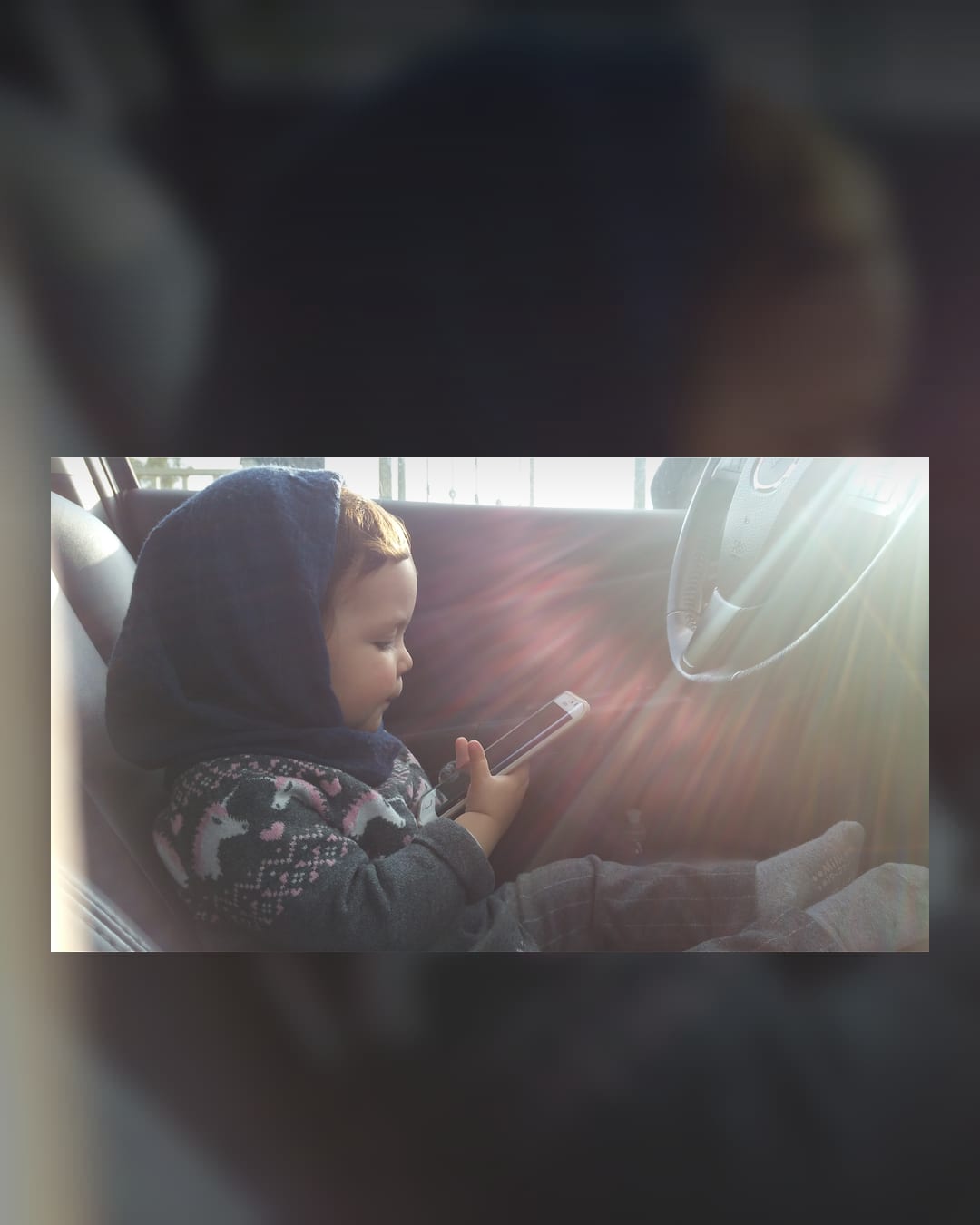 Image: A child using a cellphone - Shani Evenstein / Wikimedia Commons, CC BY-SA 4.0.
What is confirmed
Confirmed: multiple Canadian outlets report that the government plans to include an under-16 social media ban in a new online harms bill. Confirmed: Marc Miller has previously said the government was very seriously considering the idea. Confirmed: Canada previously introduced Bill C-63, an online harms bill that died on the Order Paper in January 2025.
Also confirmed: Australia already has a working under-16 social media minimum-age regime. Its government says age-restricted platforms such as Facebook, Instagram, Reddit, Snapchat, TikTok, Twitch, X and YouTube must take reasonable steps to prevent under-16s from holding accounts.
What is not confirmed
Not confirmed yet: the final text of the Canadian bill, the full list of covered services, the enforcement mechanism, penalties, appeals process, privacy rules, and whether AI chatbots will be covered by the same age line. One report says the bill is not expected to include the same type of ban for AI chatbots, but that remains dependent on the published text.
Also not confirmed: whether the proposal will survive Parliament in its reported form. Online harms legislation tends to trigger fights across child safety, free expression, privacy, digital ID and platform liability at once.
Why it matters
The political case is simple: governments are under pressure to show they are protecting children from addictive design, cyberbullying, sexual exploitation, self-harm content and algorithmic feeds. The practical case is harder.
A real under-16 ban requires platforms to know, or estimate, who is under 16. That can mean document checks, facial age estimation, account-history inference, parental verification, third-party age assurance, or some blend of those systems. Each option carries a tradeoff: weak checks are easy to evade, while stronger checks can collect more sensitive data from everyone.
That is why the Canadian version will be judged less by the headline age number and more by the implementation details. A child-safety rule can become a privacy risk if it quietly turns into broad age verification across the public internet.
What to watch next
Watch the exact bill text when Miller tables it. The important lines will define which platforms are covered, how exemptions work, what counts as proof of safety, who regulates compliance, and whether adults must verify age to keep minors out.
The second signal is platform reaction. Meta, TikTok, Google, Reddit, Snap and X will likely focus on feasibility, privacy, definitions and whether responsibility sits with companies, parents, government or all three.
NoDechev rating: plausible and report-backed, but not law yet. The ban is the headline; age assurance and exemptions are the real policy fight.
Ready social post
Canada is reportedly preparing an online harms bill with a social media ban for children under 16. The headline is simple. The hard part is enforcement: weak age checks are easy to dodge, while strong checks raise privacy questions for everyone.
Read next: TAKE IT DOWN Act context