

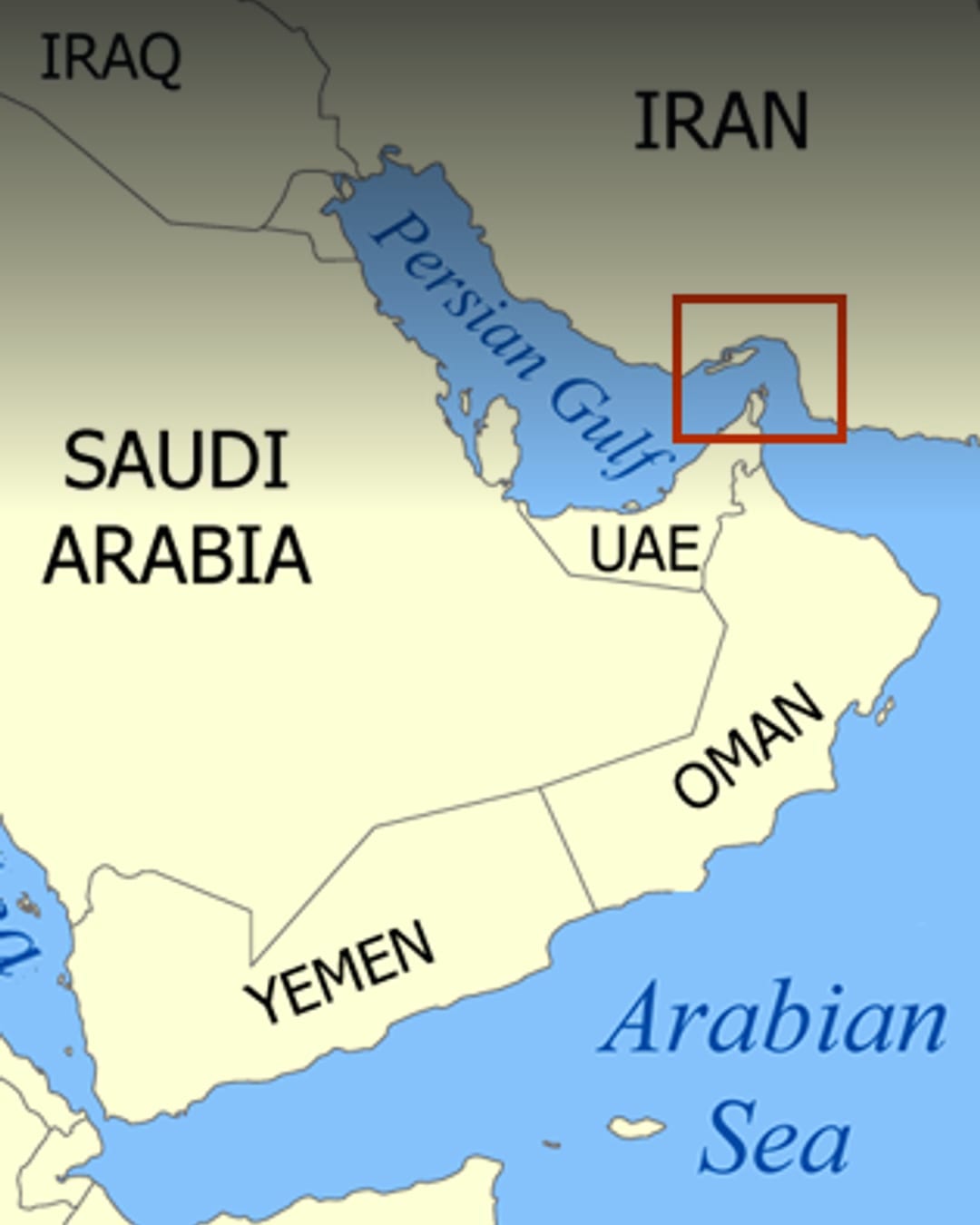
 Image: Map of the Strait of Hormuz - Wikimedia Commons.
- Al Jazeera reports that Abbas Araghchi says the war with the United States is over.
- He also warned that any continued Israeli occupation in Lebanon would violate the U.S.-Iran memorandum set for in-person signing Friday.
- The caveat: Iran is declaring the U.S. war over, but the broader regional deal still depends on Lebanon, Israel and the unpublished text.
Iran is now saying the war with the United States is over.
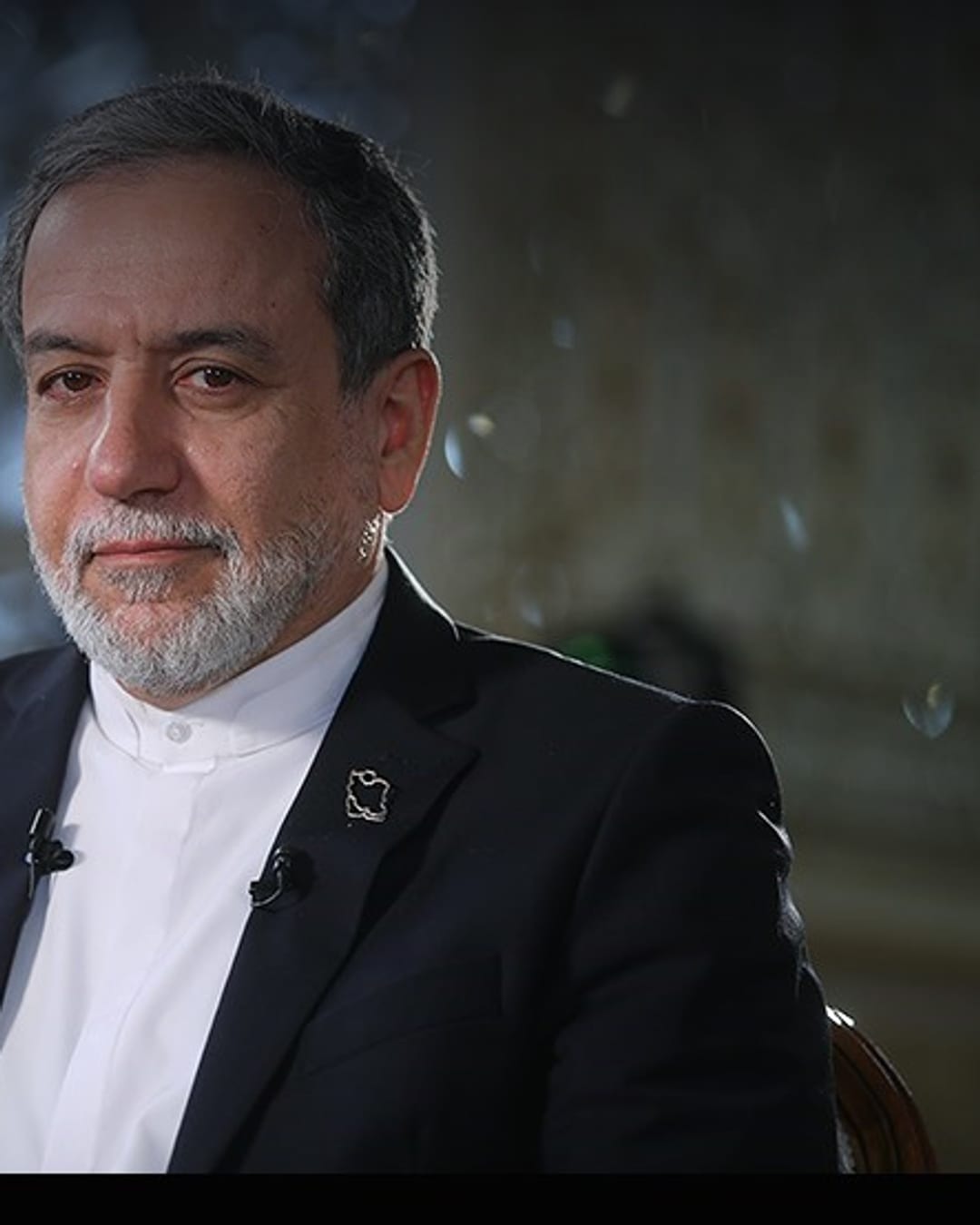
Iranian Foreign Minister Abbas Araghchi made the statement in remarks carried by Al Jazeera, while warning that continued Israeli occupation in Lebanon would be a violation of the memorandum of understanding between Tehran and Washington.
What he said
The clean quote is the headline: Araghchi says the war with the United States is over. But the rest of the sentence is where the risk sits. He connected the end of the U.S.-Iran war to a wider regional settlement that includes Lebanon.
Al Jazeera's video framing says the memorandum is set to be signed in person on Friday and that Israeli occupation in Lebanon would breach the deal. AP separately reported that Iran says the deal to end the war with the U.S. requires Israel to withdraw from Lebanon.
The caveat
This should not be treated as every front of the regional war being permanently resolved. It is Tehran's declaration that the direct war with Washington is over under the pending deal framework.
The final memorandum has not been fully published. Israel is not a signatory. Lebanon is the live stress point. That means the diplomatic claim is stronger than a rumor, but weaker than a fully implemented peace architecture.
What is confirmed
Confirmed: Araghchi made the "war with the U.S. is over" statement as part of remarks about the U.S.-Iran memorandum. Confirmed: he warned that continued Israeli occupation in Lebanon would be treated as a breach. Confirmed: AP and Guardian reporting place Lebanon at the center of the fragile deal's next test.
Also confirmed: the deal track is expected to include reopening the Strait of Hormuz, easing conflict conditions and moving toward a next stage of nuclear talks.
What is not confirmed
Not confirmed: the final public text, the full enforcement mechanism, Israel's acceptance of the Lebanon condition, or whether all U.S. and Iranian military postures have already returned to peacetime status.
That is why the best wording is "Iran says the war with the U.S. is over," not "the entire regional war is over."
Why it matters
The statement gives Tehran a political off-ramp. Iran can claim it forced a deal, reopened economic channels and ended direct U.S. hostilities without conceding every regional demand.
For Washington, the same statement is useful only if the deal holds. If Israel continues operations in Lebanon and Iran declares those operations a breach, the U.S.-Iran peace track could be tested almost immediately.
What to watch next
The next checkpoint is Friday's in-person signing and the release of the memorandum text. Then watch whether U.S. officials use the same "war is over" language, whether Iran resumes normal oil and shipping activity, and whether Israel responds to the Lebanon condition.
NoDechev rating: real quote, fragile implementation. Araghchi's statement is sourced; the broader peace claim still depends on the unpublished memorandum, Lebanon and whether Washington uses matching language.
Ready social post
Araghchi says the war with the U.S. is over. The caveat: Iran is saying that under a pending memorandum, while warning Israeli occupation in Lebanon would breach the deal. So the direct U.S.-Iran war claim is clear; the regional peace claim is still fragile.
Read next: Araghchi's Lebanon withdrawal condition