

 Image: Volodymyr Zelenskyy official portrait - Office of the President of Ukraine / Wikimedia Commons, CC BY 4.0.
- Zelensky told CBS that U.S. anti-ballistic missile output is about 60-65 missiles per month.
- He said that level is far below today's demand as Russia increases ballistic missile production.
- His ask: more production, Patriot missile licenses for Ukraine, and continued U.S. support until Europe and Ukraine field their own anti-ballistic system.
President Volodymyr Zelensky used a new Face the Nation interview to sharpen Ukraine's air-defense argument: the bottleneck is not only money or political will, but the number of anti-ballistic interceptors the United States can actually produce.
The interview aired May 31 and was taped May 29. Asked about his letter to the White House and Congress, Zelensky said Ukraine sees a widening deficit in anti-ballistic missiles while Russia increases its own ballistic missile output.
What Zelensky said
Zelensky told CBS that current U.S. output is roughly 60-65 missiles per month and said that is "nothing" compared with today's challenges. He argued that the figure is not secret, that Russia understands the production gap, and that Washington should expand manufacturing.
He also renewed a specific request: licenses allowing Ukraine to produce Patriot missiles. Zelensky said he asked the previous U.S. administration and is asking the current one for that permission, framing Ukrainian production as useful not only for Kyiv but also for the Middle East and any country Washington chooses to support.
Why the number matters
Ukraine's problem is narrow but severe. Kyiv has many tools against drones and some cruise missiles, but ballistic missiles require specialized interceptors. Zelensky said Ukraine can destroy many kinds of drones and missiles, but still lacks its own full anti-ballistic system.
That is why the monthly production number matters more than the headline size of military aid packages. If interceptors are scarce, European money routed through NATO's PURL purchasing program can still hit a supply ceiling.
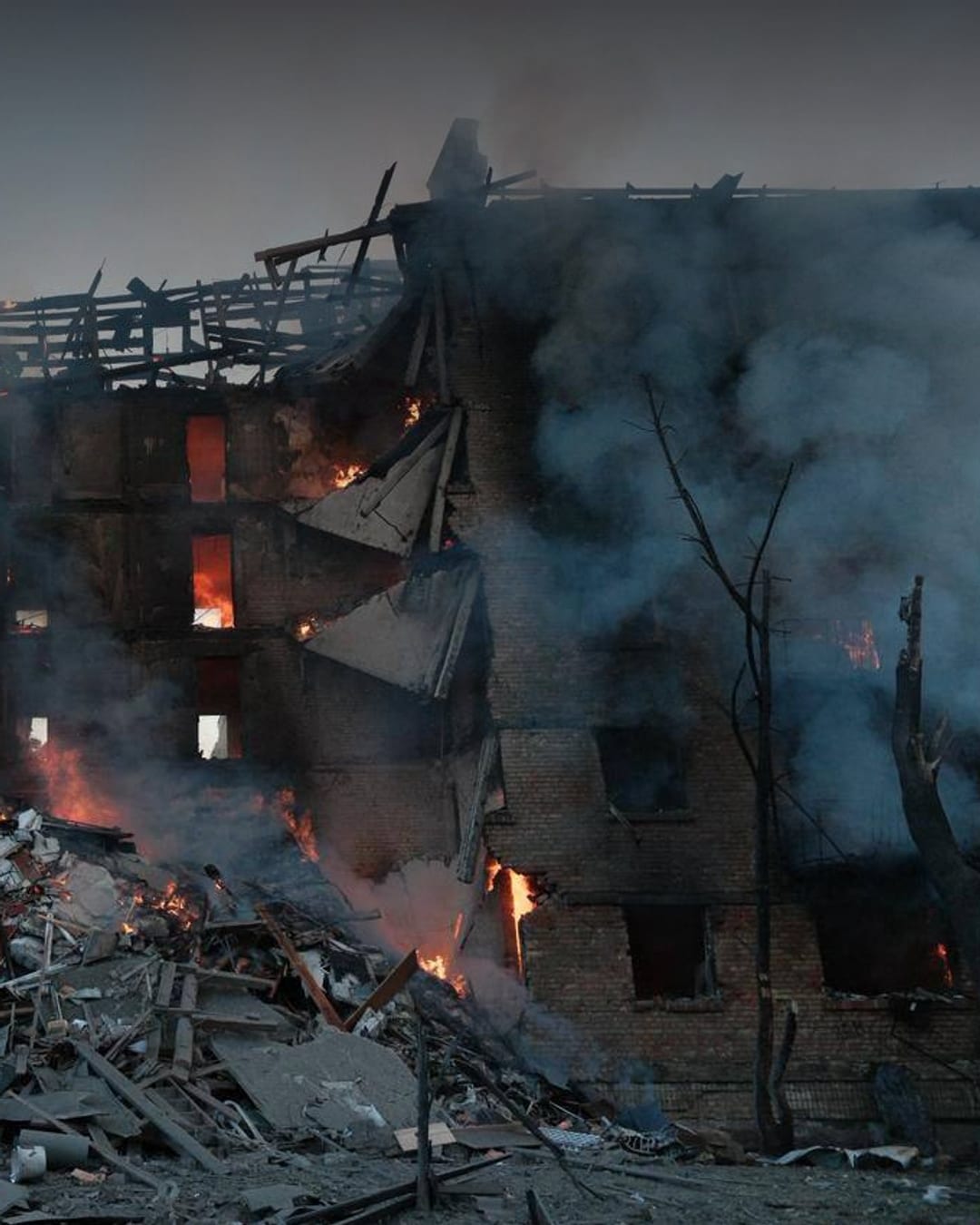 Image: Kyiv damage after Russian missile and drone attacks - The Kyiv Independent / public source image archive.
What the production record shows
The production context broadly matches Zelensky's complaint. The U.S. Army said in 2024 that a contract would raise Lockheed Martin's PAC-3 MSE maximum production rate from 550 to 650 annually. Lockheed later said the program was ramping toward 650 per year and planning to grow beyond that.
Those public figures translate to roughly the same order of magnitude as Zelensky's monthly estimate. Lockheed also announced a 2026 framework to raise annual PAC-3 MSE capacity from about 600 to 2,000 over a seven-year period, which is the clearest sign that Washington knows current demand is outrunning old production assumptions.
What is confirmed and what is not
Confirmed: Zelensky made the 60-65-per-month claim in a CBS interview and linked it to his letter to the White House and Congress. CBS previously reported the letter warning that Ukraine needed a surge of Patriot systems and interceptors.
Also confirmed: public U.S. Army and Lockheed material describes PAC-3 MSE production capacity rising from the mid-hundreds per year toward higher levels.
Not public: the exact number of Patriot interceptors currently in U.S., Ukrainian, European or Middle Eastern stockpiles. Those inventories remain military-sensitive and should not be treated as open-source facts.
Why it matters
The quote is not just a complaint about Ukraine aid. It points to a larger air-defense capacity problem across Ukraine, Europe and the Middle East. If several theaters need Patriot-class interceptors at the same time, monthly production becomes a strategic limit.
For Ukraine, the immediate stakes are civilian cities, energy infrastructure and Russia's ability to use ballistic missiles as pressure when battlefield progress slows.
NoDechev rating: verified quote, production context needed. Zelensky's 60-65 figure is from CBS; public U.S. and Lockheed production data supports the broader bottleneck, while exact inventories remain undisclosed.
Also Read
The earlier NoDechev brief explains the letter Zelensky sent to Trump and Congress.
Read the air-defense shortage brief