

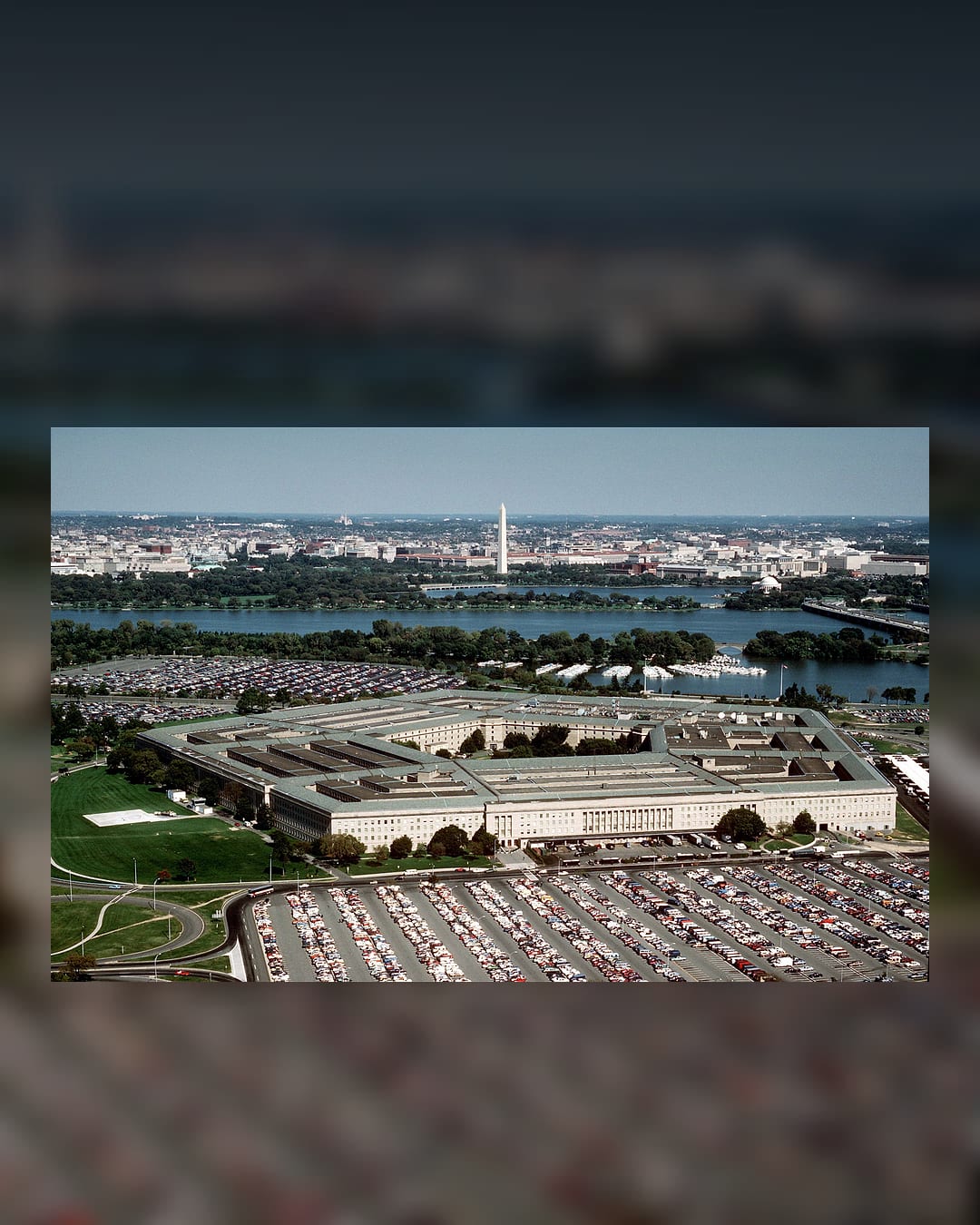
 Image: The Pentagon building — Wikimedia Commons, public domain
- Parts of the Pentagon were put under shelter-in-place or lockdown protocols after an air-quality alert Thursday.
- Arlington County Fire and EMS said its hazmat team responded in support of the Pentagon Force Protection Agency.
- Later CNN-linked reports, citing sources familiar with the response, said the lockdown and evacuation were due to a false alarm.
Portions of the Pentagon were locked down Thursday after internal building systems flagged an air-quality issue, triggering a hazmat response and shelter-in-place protocols for affected areas.
The early story moved fast because the words "Pentagon," "lockdown" and "hazardous materials incident" naturally travel faster than the caveat. The cleaner read is narrower: officials confirmed a precautionary response to an air-quality alert, while later reports said the incident turned out to be a false alarm.
What happened
Arlington County Fire and EMS said its units, including the Hazardous Materials Team, were operating at the Pentagon in support of the Pentagon Force Protection Agency's Hazmat Team during a hazardous materials incident.
Pentagon spokesperson Sean Parnell told multiple outlets that building systems had detected an air-quality issue, requiring precautionary measures while officials determined its significance. Those measures included standard protection protocols and a shelter-in-place order for the affected area.
ABC News reported that portions of the building went into shelter-in-place after officials locked down multiple floors and hallways. WTOP described the response as a partial shelter-in-place, with people in other parts of the Pentagon told to avoid affected floors.
What changed
The key update is that later CNN-linked reports said the Pentagon lockdown and evacuation were due to a false alarm, citing two sources familiar with the incident. That does not erase the response. It changes the meaning of the response.
A hazmat team can respond before any specific substance is publicly confirmed. In a sensitive facility, a sensor alert can trigger protective steps first and answers later. That is why the correct version is not "hazardous material confirmed." It is "air-quality alert triggered hazmat response; sources later said false alarm."
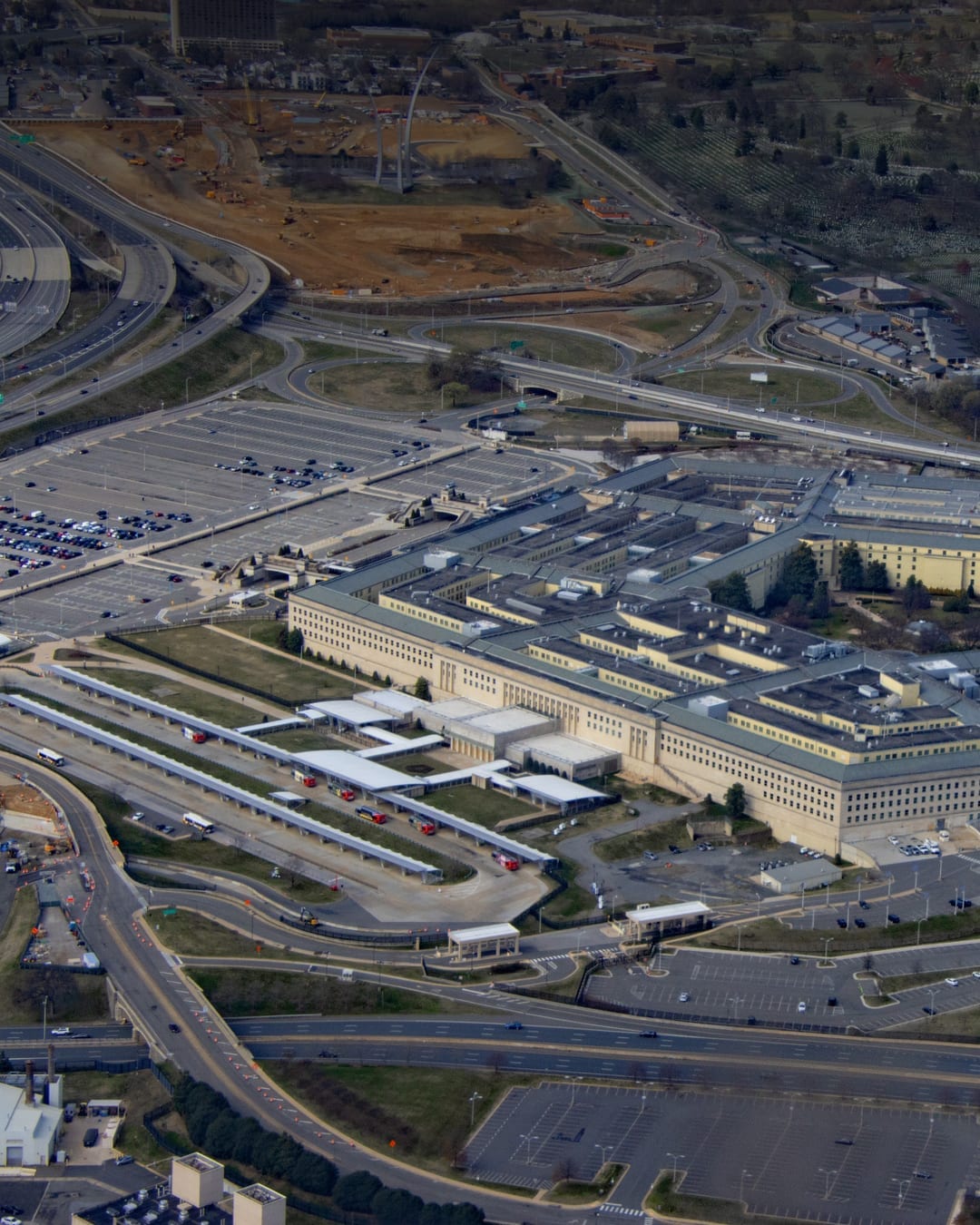 Image: Aerial photograph of the Pentagon — Wikimedia Commons, CC BY 2.0
What is confirmed
Confirmed: Pentagon systems detected an air-quality issue; standard protection protocols were activated; a shelter-in-place order affected part of the building; Arlington County Fire and EMS supported PFPA's hazmat team.
Reported by CNN-linked outlets: the lockdown and evacuation were later attributed to a false alarm, according to sources familiar with the response.
Not confirmed in the public record reviewed here: the presence of a specific hazardous substance, injuries, a criminal cause, or a wider threat to the Pentagon campus.
Why it matters
The Pentagon is one of the most sensitive buildings in the United States, so even a precautionary response becomes national news. But a response protocol is not the same thing as proof of a real chemical release.
That distinction matters because early social posts often compress the story into the most alarming version. "Hazmat teams responding" is true. "Hazardous substance confirmed" is not supported by the available public sourcing.
What to watch next
The next useful update would be an official closeout from the Pentagon, PFPA, Arlington Fire and EMS, or another named authority explaining what triggered the air-quality alert and whether all affected areas were cleared.
Until then, the fair status is a verified precautionary Pentagon hazmat response, later reported as a false alarm by CNN-linked sourcing.
NoDechev rating: verified response, false-alarm update. The lockdown and hazmat response were real; the public evidence reviewed does not confirm a hazardous substance or active threat.
Also Read
Another public-safety brief where early emergency framing needed a careful caveat.
Read: Chemical Leak Forces Evacuation Orders for About 40,000 Near Garden Grove