

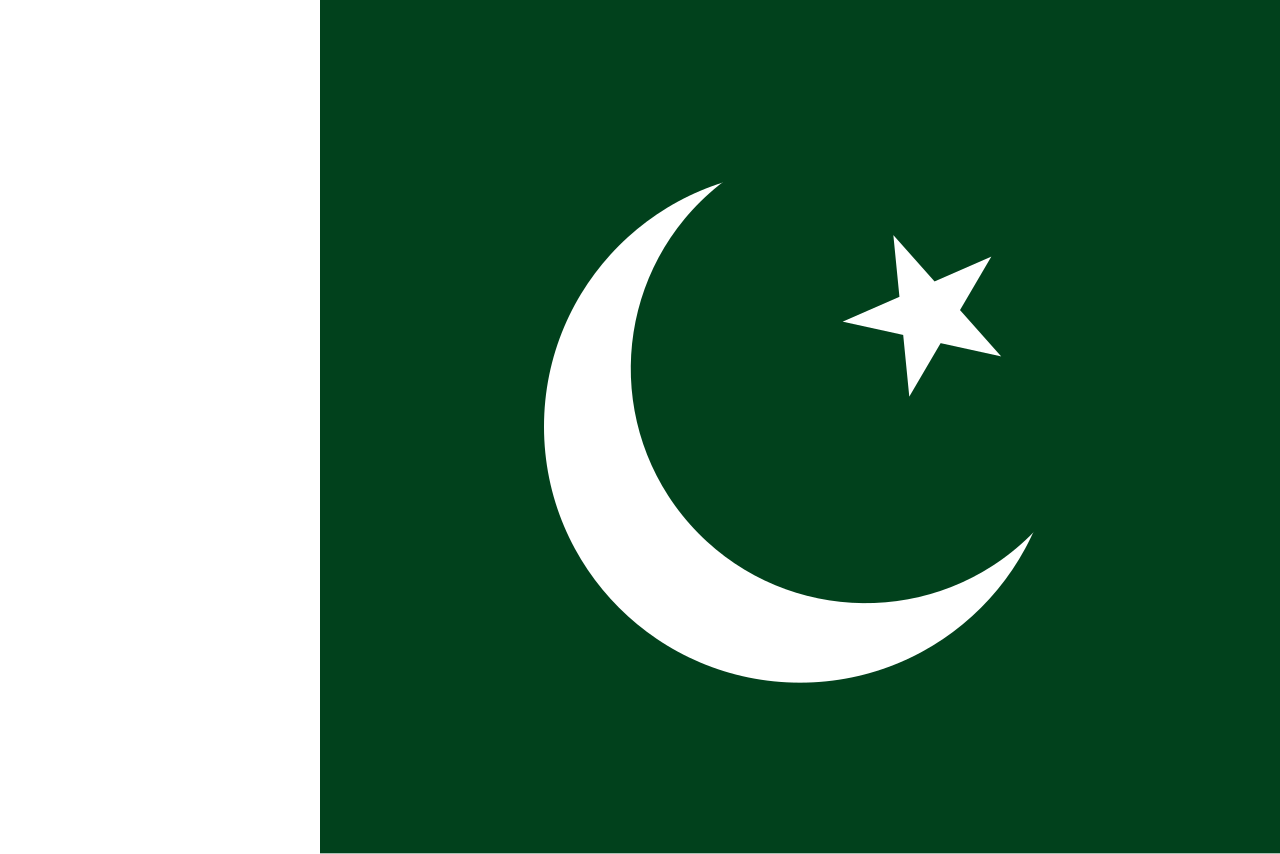
 Image: Wikimedia Commons / Flag of Pakistan, local normalized asset.
- Pakistan has rejected Donald Trump’s push for Muslim-majority countries to normalize relations with Israel.
- Trump said he asked Pakistan, Saudi Arabia, Qatar, Turkey, Egypt and Jordan to join the Abraham Accords.
- Pakistan’s position remains tied to Palestinian statehood and its long-standing refusal to recognize Israel.
Pakistan has rejected U.S. President Donald Trump’s push for it to normalize relations with Israel under the Abraham Accords, according to regional reporting and Pakistani-source comments.
The viral shorthand is broadly accurate: Trump publicly named Pakistan among the countries he wants to join the accords, and Pakistan signalled it is not accepting that demand. The clean framing is that Islamabad rejected the push — not that a signed diplomatic invitation was formally declined in a bilateral ceremony.
The issue is highly sensitive for Pakistan. The country has never recognized Israel, and Pakistani passports explicitly state they are valid for all countries except Israel.
What happened
Reuters reported that Trump said he asked Saudi Arabia, Qatar, Pakistan, Turkey, Egypt and Jordan to join the Abraham Accords “en masse” as part of a wider effort tied to negotiations over Iran.
Trump wrote on Truth Social that he was “mandatorily requesting” countries to sign the accords, arguing that an Iran agreement would be more historic if those states also joined a broader normalization framework with Israel.
ARY News reported that Pakistan rejected the proposal, citing a Pakistani security source who said the Iran diplomacy and Abraham Accords were “not interlinked and cannot be made so.” The source added that Pakistan was under “no compulsion” to follow such a demand.
Pakistan’s position
Pakistan’s defence minister Khawaja Asif also pushed back publicly. India Today reported that Asif said Pakistan should not join any accord that clashes with its “fundamental ideologies.”
Asif pointed to Pakistan’s passport policy and its long-standing stance that recognition of Israel is not acceptable without a settlement for Palestinians. Islamabad has traditionally supported a Palestinian state based on pre-1967 borders.
That makes normalization politically explosive. Recognition of Israel would not only be a foreign-policy shift; it would create domestic backlash from political, religious and civil-society groups inside Pakistan.
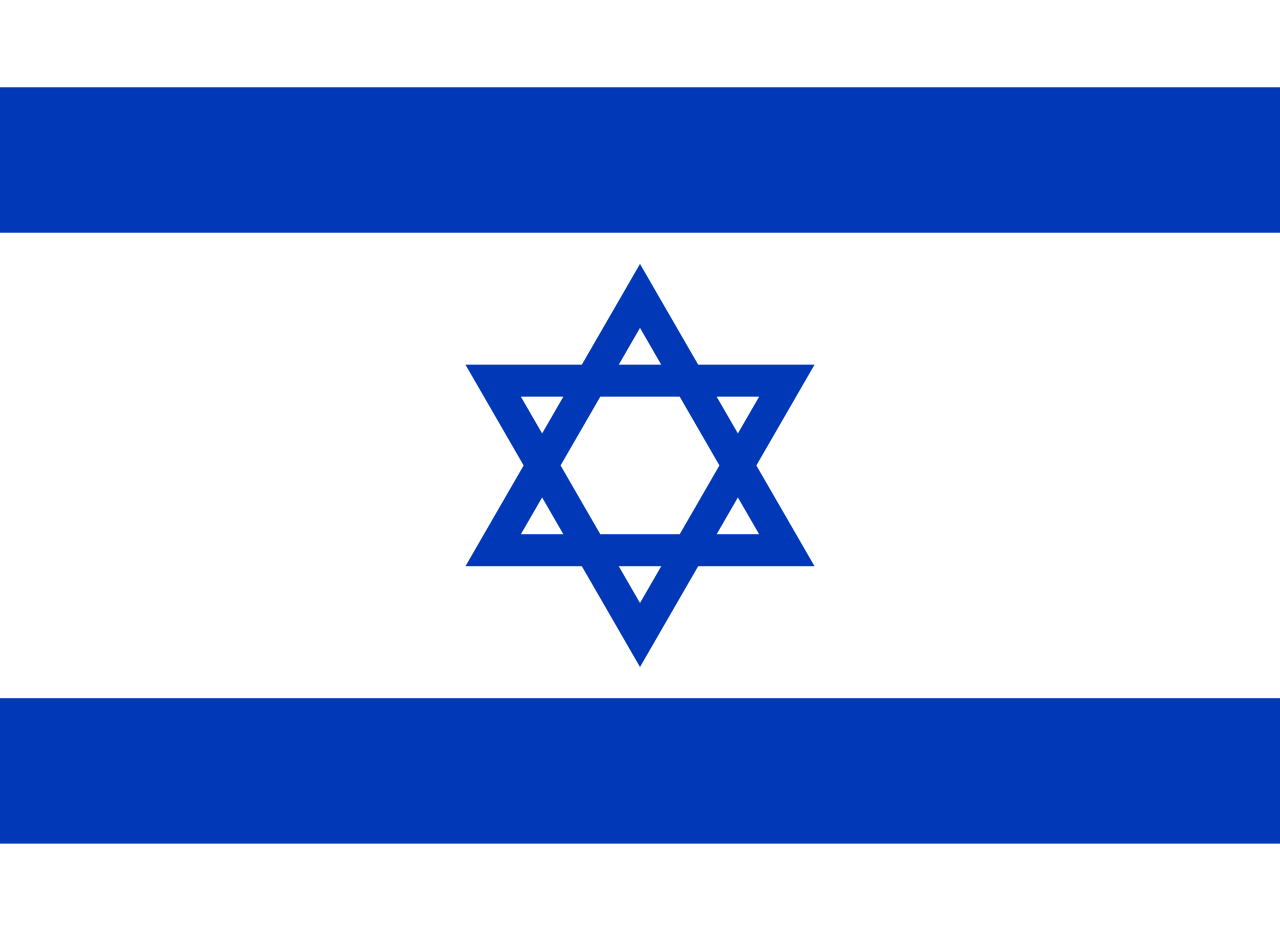 Image: Wikimedia Commons / Flag of Israel, local normalized asset.
Why Trump linked it to Iran
The Abraham Accords were first brokered during Trump’s first term in 2020, when the United Arab Emirates and Bahrain normalized relations with Israel. Morocco and Sudan later joined. Trump has repeatedly said he wants to expand the framework.
This time, the push appears connected to a broader Middle East package: Iran diplomacy, Gulf security, Israel normalization and U.S. claims of a regional coalition. That is why Pakistan’s refusal matters beyond Islamabad.
For Trump, adding Pakistan would be symbolically powerful because Pakistan is a nuclear-armed Muslim-majority country with deep ties to the Gulf and China. For Pakistan, joining would risk undermining one of its clearest long-term diplomatic positions.
What is confirmed — and what is not
Confirmed: Trump publicly said he asked Pakistan and several other countries to join the Abraham Accords. Confirmed: Pakistani-linked comments and regional reporting say Islamabad rejected the push and does not view the Iran track as connected to Israel normalization.
Not confirmed: whether Trump sent a formal written invitation directly to Islamabad, whether back-channel discussions are continuing, or whether Pakistan’s position could shift under future U.S. or Gulf pressure.
The clean read: Pakistan has not joined Trump’s Israel-normalization push. The strongest verified wording is that Islamabad rejected pressure to link Abraham Accords recognition with the Iran diplomatic track.
What to watch next
The next signal is whether Pakistan’s foreign ministry issues a formal statement, or whether Gulf states respond first. If Saudi Arabia, Qatar or Turkey also decline publicly, Trump’s mass-normalization push will look more like pressure politics than a near-term diplomatic breakthrough.
Ready social post
Pakistan has rejected Trump’s push to normalize relations with Israel under the Abraham Accords, saying its position on Israel and Palestinian statehood remains unchanged. The clean framing: Islamabad rejected pressure to link Israel normalization with the Iran diplomatic track.
Read next: Trump’s Middle East map post — what’s verified