

 Image: Nina Warken, 2014 — TBB-Bilder / Wikimedia Commons, CC BY-SA 4.0
- German outlets report Health Minister Nina Warken is considering a higher long-term care insurance surcharge for childless adults.
- The reported change would lift the childless surcharge from 0.6 to 0.7 percentage points, raising the total rate for childless adults over 23 from 4.2% to 4.3%.
- The quoted rates for parents — 3.6% with one child, 3.35% with two, 3.1% with three — match reported figures, but Germany’s current rules can give further temporary discounts for four or five children under 25.
Germany is debating whether childless adults should pay more into long-term care insurance, after German media reported that Health Minister Nina Warken is considering a higher surcharge as part of a broader care-financing reform.
The viral version says childless people would pay 4.3% of income, while families with children would pay less: 3.6% with one child, 3.35% with two children and 3.1% with three children. That is broadly supported by German reporting — but it needs two caveats.
What is being proposed
Tagesschau, ZDF and Deutsches Ärzteblatt all reported, citing RND and coalition sources, that Warken is considering raising the childless surcharge in Germany’s statutory long-term care insurance from 0.6 to 0.7 percentage points.
Because the general long-term care contribution rate is currently 3.6%, that would take the total rate for childless insured adults from 4.2% to 4.3%.
The surcharge generally applies to childless members of the statutory long-term care insurance system from age 23. The employer share remains reported at 1.8%; the childless surcharge is paid by the insured person.
The family rates
The reported parent rates are:
- One child: 3.6%.
- Two children: 3.35%.
- Three children: 3.1%.
The common viral shorthand says “3+ children: 3.1%.” That is not the full technical picture. Under the current official structure, parents receive a 0.25 percentage-point discount from the second through fifth child, as long as those children are under 25. That means larger families can have lower rates than 3.1% in some cases.
So the safest wording is: reports list 3.1% for three children, while official rules allow additional discounts for a fourth and fifth qualifying child.
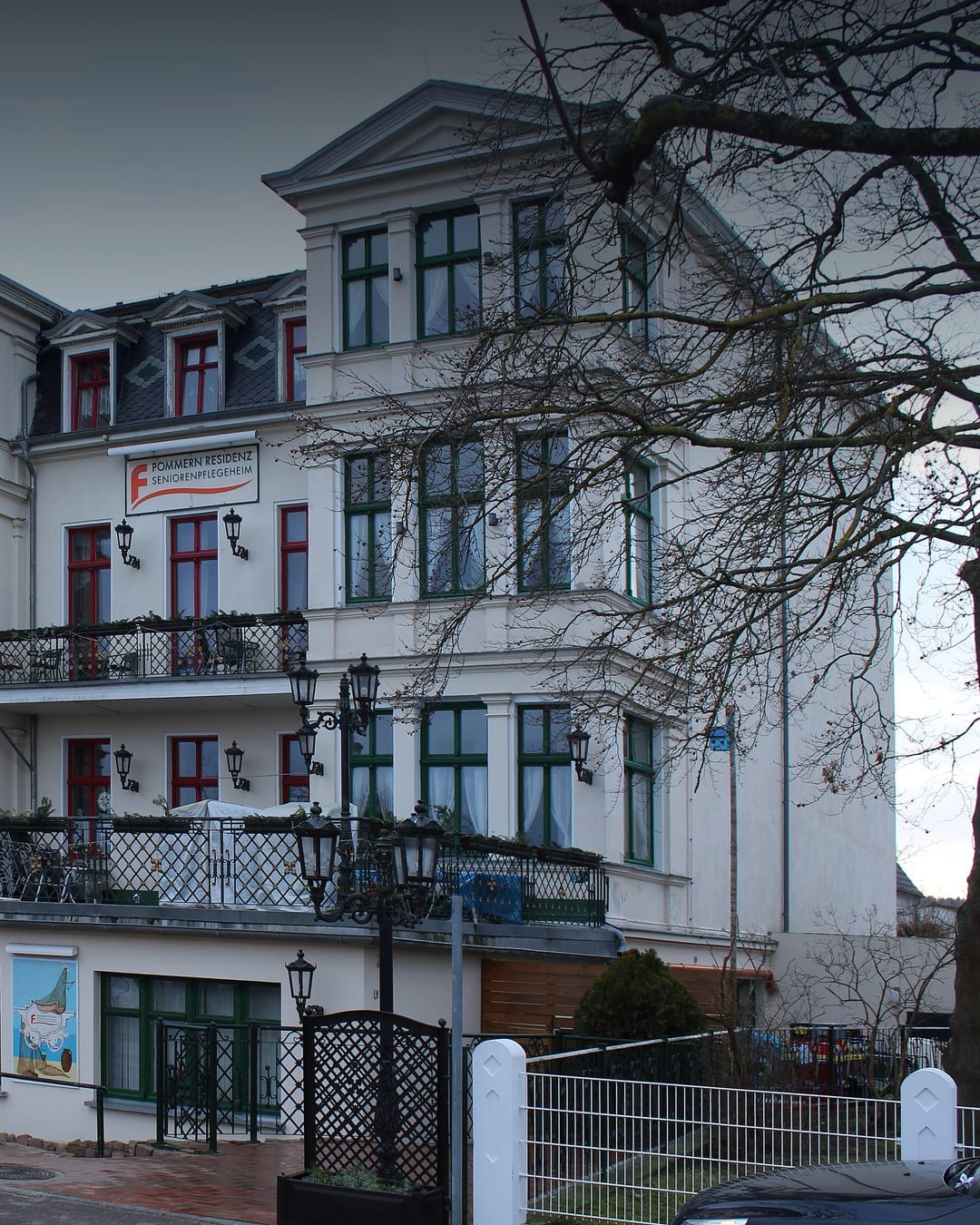 Image: nursing home building in Ahlbeck, Germany — Dguendel / Wikimedia Commons, CC BY 4.0
Why this is happening
Germany’s long-term care insurance system is under severe financial pressure as costs rise and the population ages.
ZDF reported that Warken expects a funding gap of about €22.5 billion over the next two years if reforms are not made. Tagesschau also reported that the timeline for a cabinet bill remains unclear, while Warken previously indicated she wanted to present a draft before the summer break.
The proposal would not be a new concept from scratch. Germany has charged childless adults a higher long-term care contribution for years, and the Federal Health Ministry currently lists the childless total at 4.2% since January 2025.
What is confirmed and what is not
Confirmed: German public broadcasters and medical press report that Warken is considering raising the childless surcharge to 0.7 points, creating a 4.3% total rate.
Confirmed: the current official base contribution is 3.6%, with childless adults generally paying 4.2% today.
Not final: this is reported as a proposal under discussion, not a passed law. The Health Ministry had not confirmed the exact measure in the reports reviewed, referring instead to an upcoming overall reform concept.
NoDechev rating: mostly verified, with caveats. The 4.3% figure and listed parent rates are supported by German reporting, but the measure is not final law and the “3+ children” shorthand oversimplifies Germany’s child-discount structure.