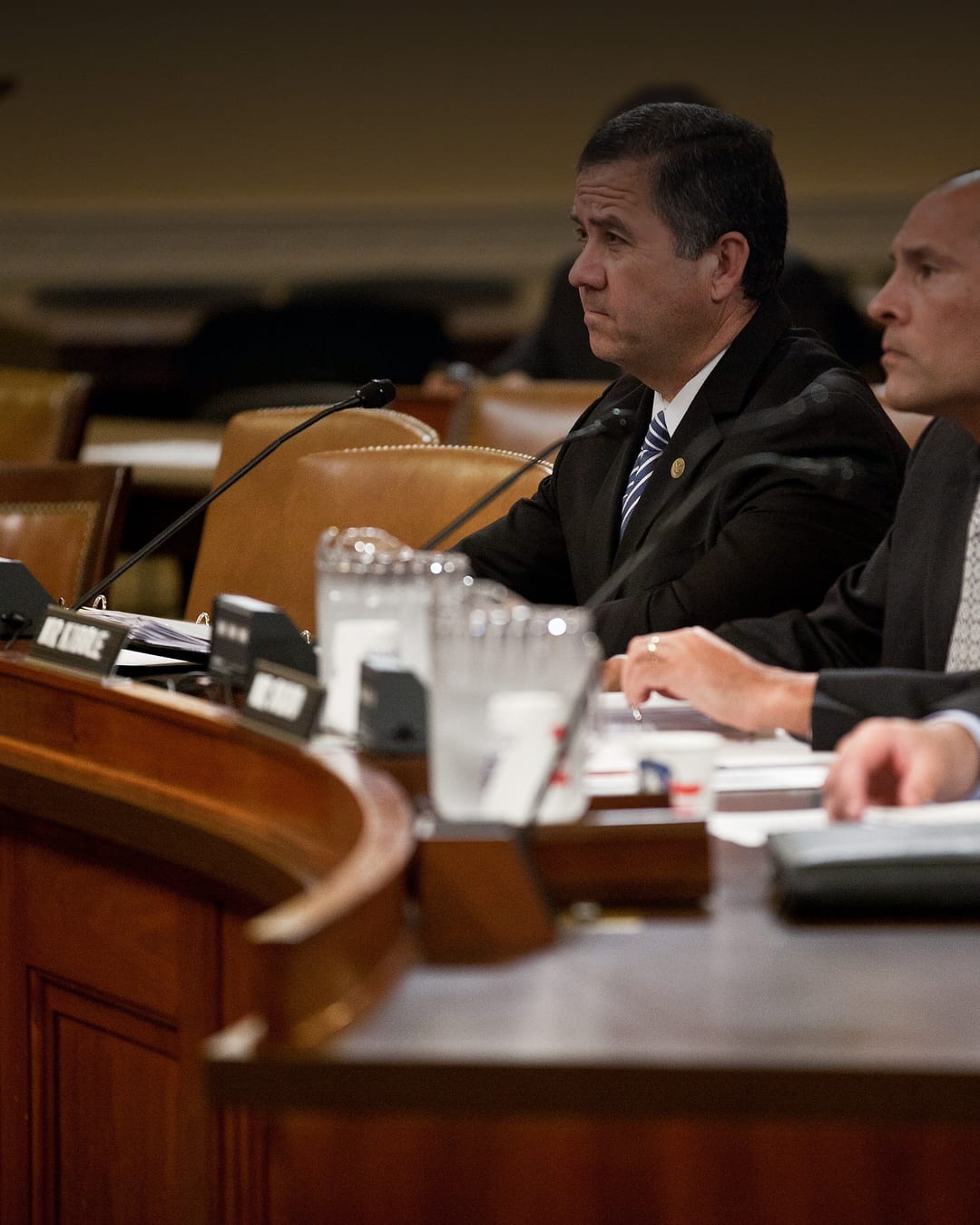
 Image: U.S. Customs and Border Protection trade hearing - CBP Photography / Wikimedia Commons, public domain.
- The claim is real: the Trump administration is proposing new forced-labor-related tariffs after a USTR Section 301 probe.
- Canada, Mexico and the European Union are reported in the 10% proposed tariff group, along with several other partners.
- The measure is not final yet. USTR is seeking comments by July 6 and plans public hearings starting July 7.
The Trump administration is proposing additional tariffs on imports from dozens of major trading partners after a U.S. Trade Representative investigation into whether those economies have failed to block goods made with forced labor.
The viral version says Canada, Mexico and the European Union are facing a 10 percent tariff. That is broadly accurate, but it needs two pieces of context: the tariff is proposed, not yet final, and the broader action covers 60 economies, not only North America and Europe.
What happened
AP reported early Wednesday that USTR released the results of its forced-labor investigation and proposed extra tariffs of 10 percent or more for many trading partners. Canada, Mexico, Taiwan, the United Kingdom and several others were listed in the 10 percent additional-tariff group. Bloomberg Law and Investing.com reported that the European Union is also in the 10 percent group.
The higher 12.5 percent proposed rate would apply to a larger set of economies, including China, Japan, India, South Korea, Brazil and Switzerland, according to AP's account of the USTR report.
What USTR had been investigating
This did not appear out of nowhere. On March 12, USTR launched 60 Section 301 investigations into major U.S. trading partners. The stated question was whether each economy had failed to impose and effectively enforce a ban on imports made with forced labor.
USTR said those 60 economies represented more than 99 percent of U.S. imports in 2024. Canada, Mexico and the European Union were all explicitly listed in the investigation notice, along with China, Japan, South Korea, India, the United Kingdom, Vietnam and many others.
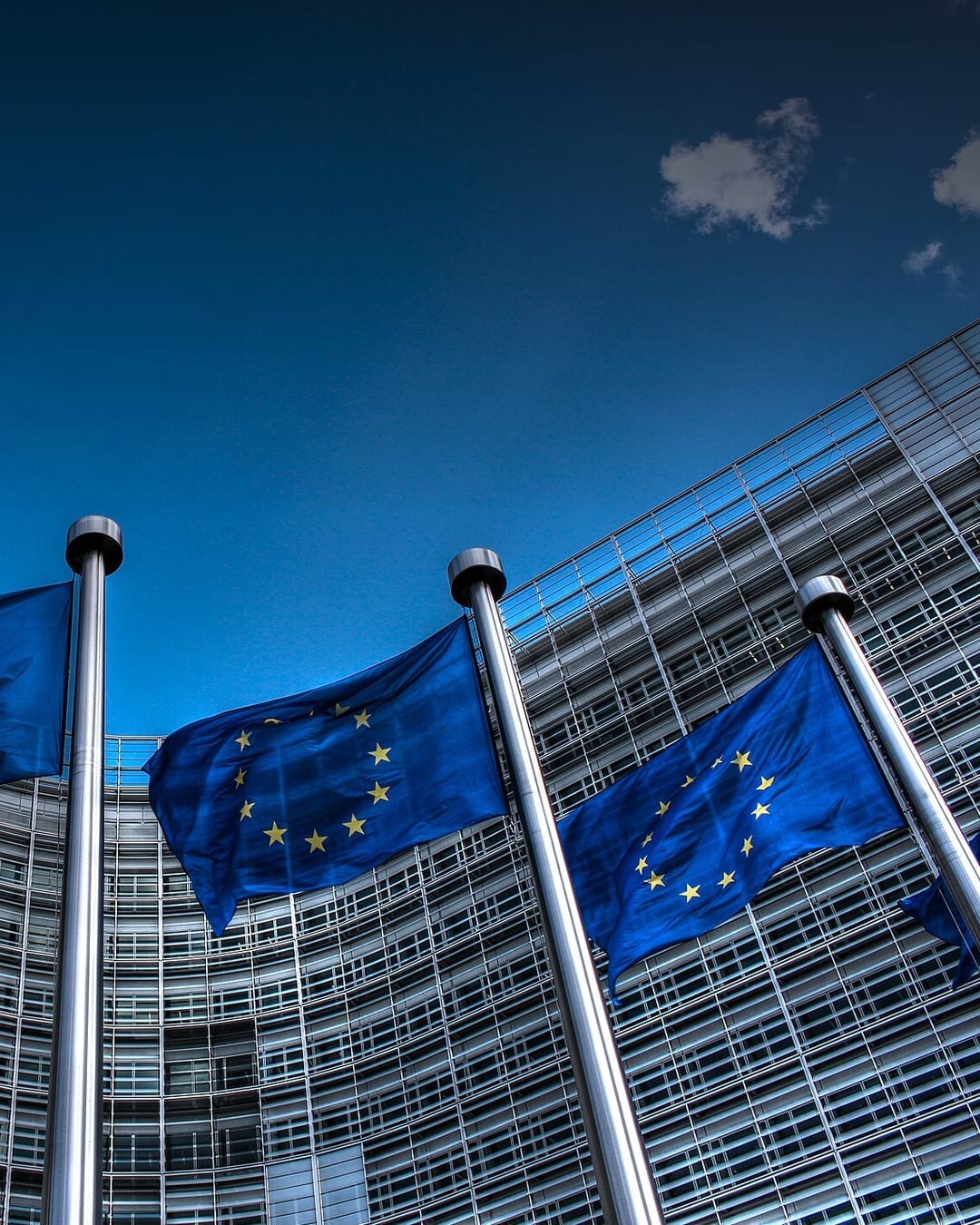 Photo: European Union flags outside the Berlaymont building in Brussels - Wikimedia Commons, public domain.
What is confirmed
Confirmed: USTR initiated the forced-labor Section 301 investigations in March and identified Canada, Mexico and the EU among the covered economies. Confirmed by current wire coverage: USTR has now proposed additional tariff action following that probe.
Also confirmed: the proposed action is structured in tiers. The first tier is reported at 10 percent for economies that have existing forced-labor bans, partial regimes or trade-agreement commitments. A second tier is reported at 12.5 percent for many others.
What is not confirmed
Not confirmed: that the tariffs are already in force. The current public reporting describes proposed responsive action, public comments and hearings. That matters because trade measures under Section 301 often pass through a comment-and-review process before final tariff lists, product exclusions, effective dates or rate changes are locked in.
Also not confirmed from the public summaries alone: which exact products would be hit, whether exemptions would apply, or whether the final action would match the proposed rates after comments and diplomatic pressure.
Why it matters
This is part of a broader attempt to rebuild U.S. tariff authority after earlier Trump tariffs ran into legal limits. The forced-labor theory gives the administration a trade-enforcement basis that is different from an emergency-powers tariff or a simple across-the-board import surcharge.
For Canada and Mexico, the timing is especially sensitive because USMCA review politics are already active. For the EU, the proposal adds pressure to an already tense tariff relationship. For importers, the practical question is not just the headline rate, but whether the final action applies broadly or only to listed tariff lines.
What to watch next
The next checkpoints are the July 6 written-comment deadline, the July 7 public hearings, any final USTR notice, and whether affected partners negotiate changes before the duties take effect.
NoDechev status: real proposal, not final tariff. Canada, Mexico and the EU are in the reported 10% forced-labor tariff group, but the legal and product-level details still depend on USTR's final action.
Also Read
Tariff headlines often blur who pays, when duties apply, and whether a proposal is already active.
Read the tariffs explainer ->