

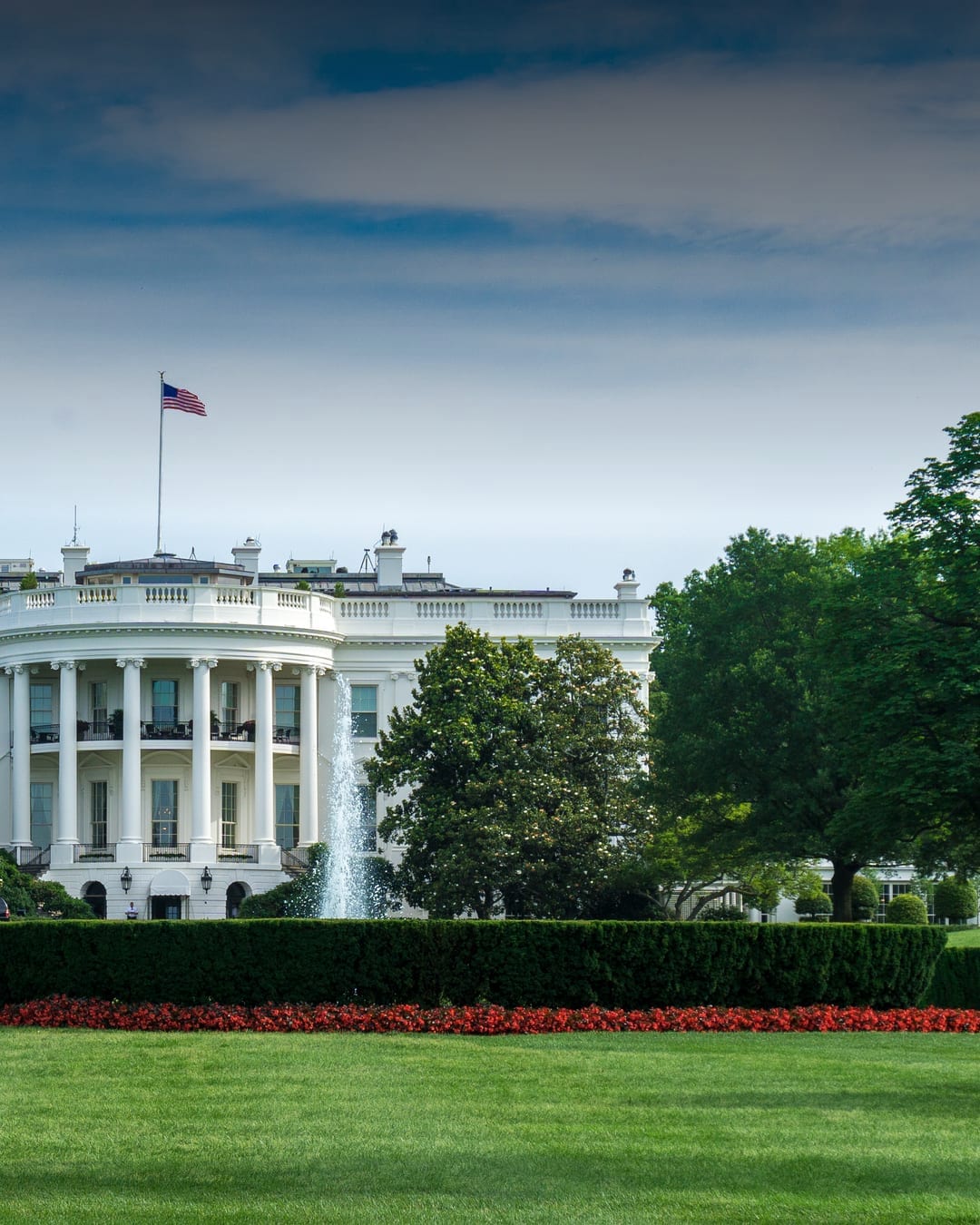
 Image: White House South Lawn view - Wikimedia Commons / public domain.
- The Washington Post reports that internal records put Trump's ballroom project at an estimated $600 million.
- The records reportedly show roughly half of that total tied to taxpayer-funded agencies, including security-related accounts.
- The caveat: the number is an internal estimate from project records, not a final completed-project cost or a single approved appropriation.
President Donald Trump's White House ballroom project may be much more expensive, and much less privately funded, than the public line has suggested.
The Washington Post reported Tuesday that records show an internal March cost estimate of about $600 million for the project. That is roughly $200 million higher than the $400 million figure Trump has used publicly, and it conflicts with his repeated claim that no taxpayer money would be spent.
What the records show
According to the Post, the estimate came from the project's contractor, Clark Construction, and described a total cost near $600 million. Reuters summarized the report the same way: the ballroom was estimated at $600 million, with about half from taxpayers.
The public-money side is the key. The reporting says more than $300 million would come through taxpayer-funded sources, including about $155 million from the Secret Service, $149 million from the White House Military Office and about $3 million from the Executive Residence.

The caveat
This is not a final audited bill. It is an internal estimate reported from records. Project costs can change, line items can be reclassified, and officials may argue that security costs are separate from the ballroom itself.
That caveat does not make the records irrelevant. It just sets the right standard: the strongest claim is not "taxpayers have already paid exactly $300 million." The stronger, sourced claim is that records showed a $600 million estimate and a taxpayer-backed share of roughly half.
Why the taxpayer line matters
Trump has presented the ballroom as donor-funded and has said public money would not be used. FactCheck.org previously traced that promise against proposals for public funding tied to the project's security features, noting that the White House framed those costs as security, not the ballroom itself.
The new records make that distinction harder to ignore. If agencies such as the Secret Service and White House Military Office are carrying large project costs, the public is still financing major parts of the build, even if officials describe those portions as security infrastructure.
What is confirmed
Confirmed by the Post's records report: an internal estimate put the project near $600 million; the number is higher than Trump's public $400 million framing; and the records undercut the claim that no taxpayer money is involved.
Confirmed by prior reporting: the ballroom project has already faced legal, preservation and congressional scrutiny over authorization, public funding, transparency and the demolition of White House structures.
What is not confirmed
Not confirmed in the public record reviewed here: a final cost, a completed invoice, a fully audited donor-versus-taxpayer split, or a final congressional accounting of every agency dollar used.
That is why the next step is disclosure, not spin. The administration can answer the records by publishing the contract, donor list, agency obligations and security-cost breakdown.
Why it matters
White House construction is not ordinary political branding. It involves public property, national-security agencies, historic-preservation rules and presidential influence over donors who may have business before the government.
If the project is publicly subsidized, voters deserve a clean ledger. If it is privately funded, the donor side needs equal transparency. Either way, the "not one dime" line now has to survive the documents.
NoDechev rating: records-based cost claim. The $600 million figure and taxpayer-share framing come from reported internal records; the final public accounting is still unresolved.
Ready social post
Records reported by WaPo put Trump's ballroom project at an internal $600M estimate, with roughly half tied to taxpayer-funded agencies. The caveat: this is an internal estimate, not the final audited bill. But it directly challenges the no-taxpayer-money line.
Read next: Trump's July 4 rally and taxpayer-cost question