

 Image: UK Parliament / Wikimedia Commons. Kemi Badenoch official portrait.
- The Telegraph says England would have 23 more right-leaning councils if Conservatives and Reform UK formed local coalitions.
- The figure is a counterfactual based on council seat arithmetic after recent local elections.
- No national Tory-Reform pact has been announced, and local coalitions would face political and practical resistance.
England would have 23 more right-leaning councils if the Conservatives and Reform UK were prepared to form coalitions, according to a new Telegraph analysis.
The headline is directionally clear, but it needs careful framing. This is not a report that 23 councils have switched control. It is a modelled “what if” based on local election results and no-overall-control councils where Conservative and Reform seats could combine into a governing bloc.
What the claim says
The Telegraph’s wording is that England would have “23 more Right-wing councils” if the Tories and Reform UK were prepared to form coalitions. The analysis reportedly looks at councils where neither party alone controls the chamber, but where a combined Conservative-Reform arrangement could create a right-leaning administration.
That makes the claim a political arithmetic story: Reform’s rise has not only taken votes and seats from the Conservatives, it has also created hung councils where the two parties together may hold enough seats to govern.
Why this matters
The number gives shape to a bigger problem on the British right. Conservatives and Reform often compete for similar voters, especially on immigration, tax, net zero and anti-establishment messaging. In local government, that split can produce councils with no overall control even where right-leaning parties collectively have a strong position.
The analysis also feeds the wider debate over whether the Conservatives should cooperate with Nigel Farage’s Reform UK, especially in local areas. Conservative leadership has historically resisted a national pact, while Reform has little incentive to simply rescue Tory control without extracting political advantage.
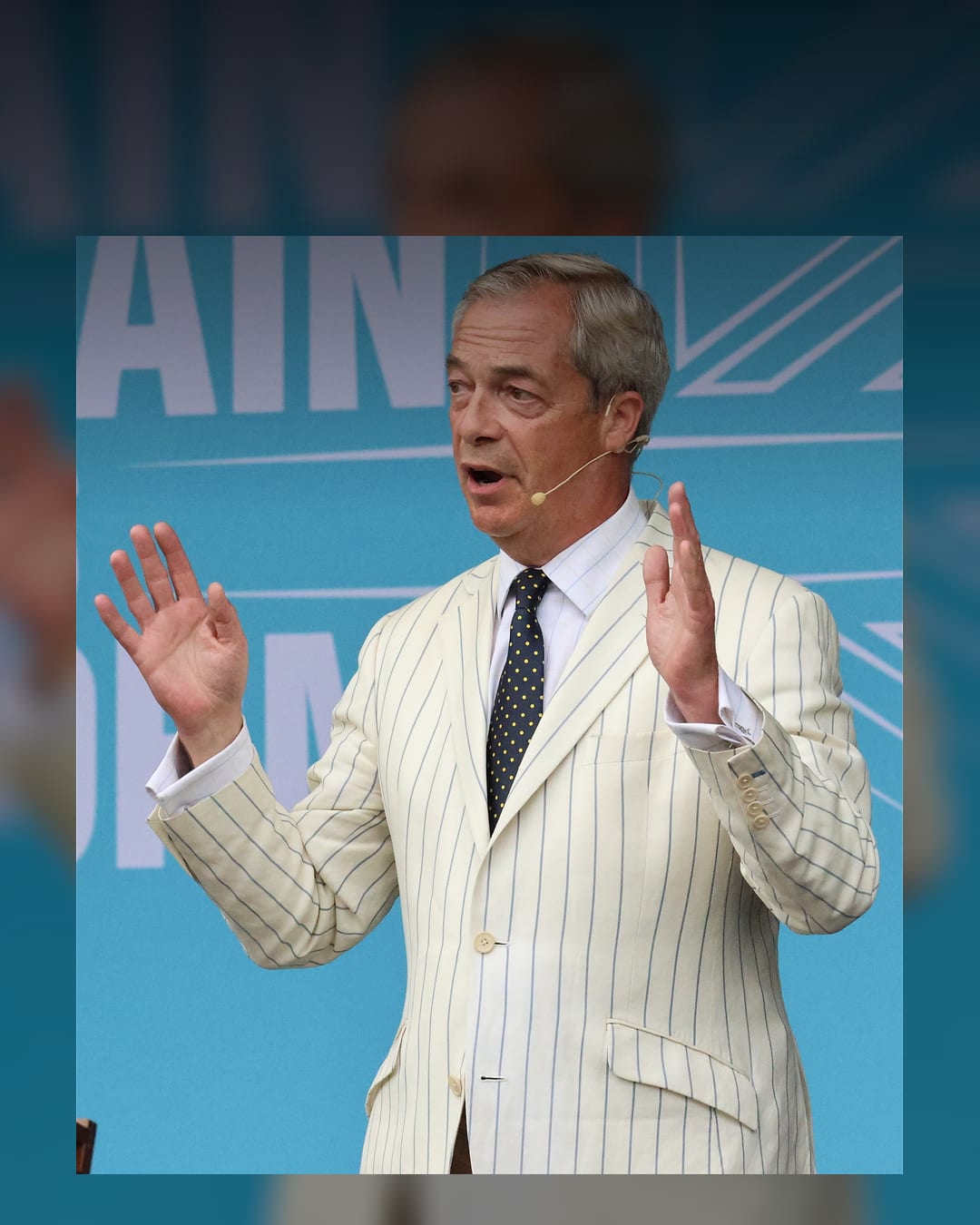 Image: Wikimedia Commons. Nigel Farage in 2024.
The caveat
The phrase “would have” can sound more certain than the underlying politics. Coalition arithmetic is not the same as coalition reality.
Local Conservative groups may reject Reform deals. Reform councillors may prefer opposition. Liberal Democrats, independents and local groups can change the governing picture. And voters may punish parties that appear to stitch together power after campaigning against each other.
So the cleanest reading is: if Tory and Reform councillors cooperated wherever the numbers allowed, England could have 23 additional right-leaning council administrations. That is not the same as saying those administrations are likely.
What to watch
The test is whether local deals emerge council by council. If they do, the “split right” story becomes less about vote share and more about negotiation power. If they do not, Reform’s rise may continue to weaken Conservative local control even when the combined right-wing vote is high.
NoDechev rating: credible counterfactual, not a confirmed pact. The 23-council figure is reported analysis based on seat arithmetic, but real coalitions would depend on local political decisions.
Ready social post
England could have 23 more right-leaning councils if Conservatives and Reform UK formed local coalitions, according to Telegraph analysis. But this is council arithmetic, not a confirmed pact — and local politics may block the math from becoming reality.
Read next: Farage, Musk and the Reform vote-split question