

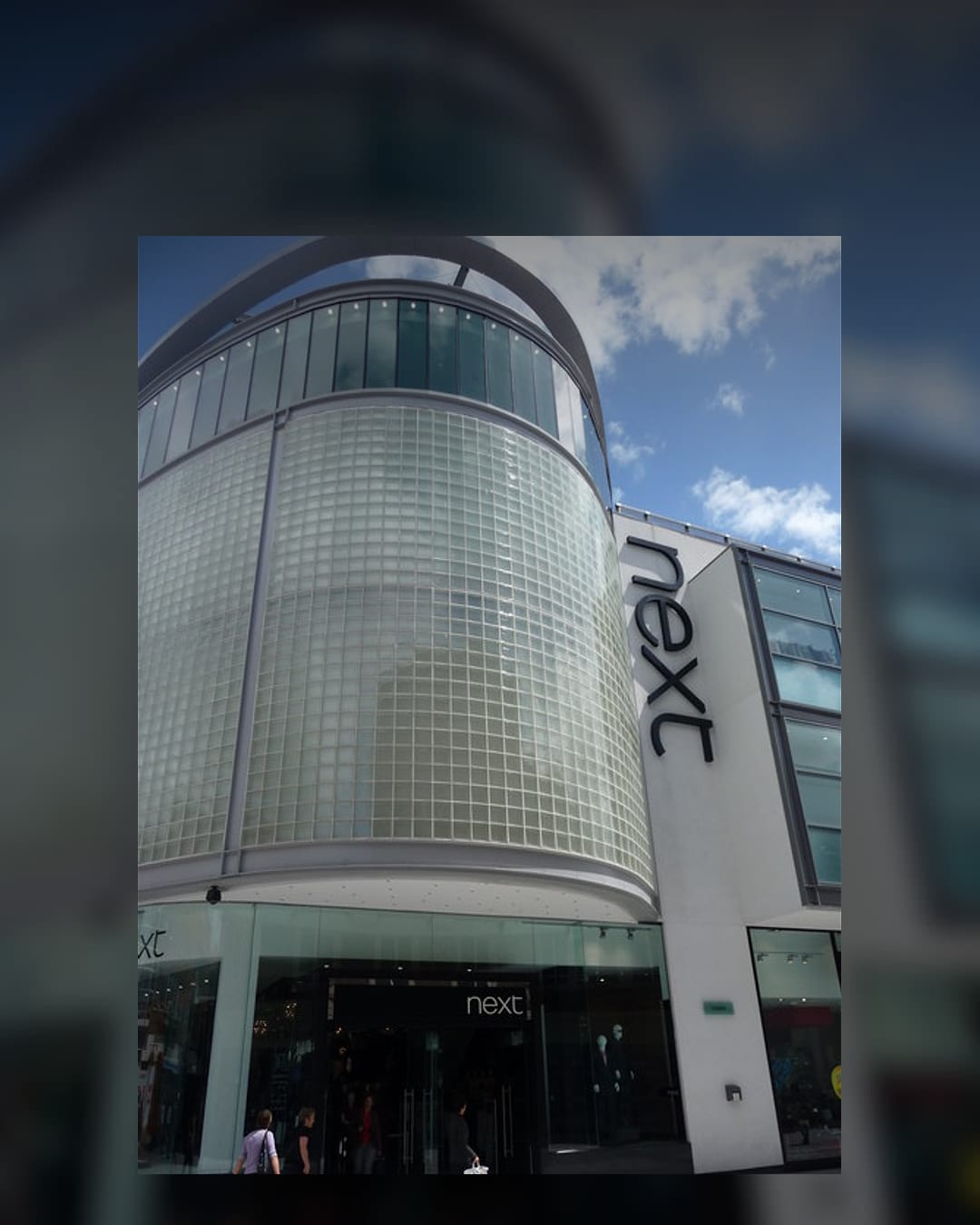
 Image: Next store in Exeter, Princesshay — Derek Harper / Geograph, via Wikimedia Commons.
- Lord Simon Wolfson told the BBC there has been a “dramatic fall” in UK entry-level job opportunities.
- Next says applications for shop vacancies have risen from about 10 per job two years ago to 19 now.
- Wolfson links the squeeze mainly to employer National Insurance, minimum-wage increases and coming employment-law changes, while the government says higher wages and youth support are needed.
Next chief executive Lord Simon Wolfson has warned of a “dramatic fall” in entry-level job opportunities in the UK, pointing to a sharp rise in applications for the retailer’s shop vacancies as evidence of a tougher market for young workers.
The claim is accurate, but the framing matters. Wolfson was not announcing a mass redundancy plan at Next. He was arguing, in a BBC interview, that the UK economy is creating fewer low-experience roles and that the first people hit are young workers and people trying to enter the labour market.
What Wolfson said
According to the BBC, Wolfson said Next used to receive about 10 applicants for every shop role two years ago. That figure has now risen to 19.
“That doubling of applicants for shop jobs is indicative of just how big the crisis is in youth unemployment at the moment,” he said.
The latest UK figures cited in the BBC report put unemployment among 16- to 24-year-olds at 16.2%, compared with general unemployment of about 5%. That gap is why the warning landed beyond retail: entry-level shop, cafe, hospitality and warehouse jobs are often the first rung of the labour market.
What he blames
Wolfson’s central argument is about cost. He called for the government to reverse increases in employer National Insurance contributions and criticised minimum-wage rises that make lower-paid roles more expensive to create. The Guardian also reported that he warned the Employment Rights Act, including changes around zero-hours contracts and guaranteed hours, could make flexible retail hiring harder.
Automation is part of the story, but it is not the whole story. Next has been using more technology, including self-scanning lockers for returns, and fewer staff in individual shops. But in this warning, Wolfson’s main target was tax, wage and employment-law policy rather than a pure AI-replacement narrative.
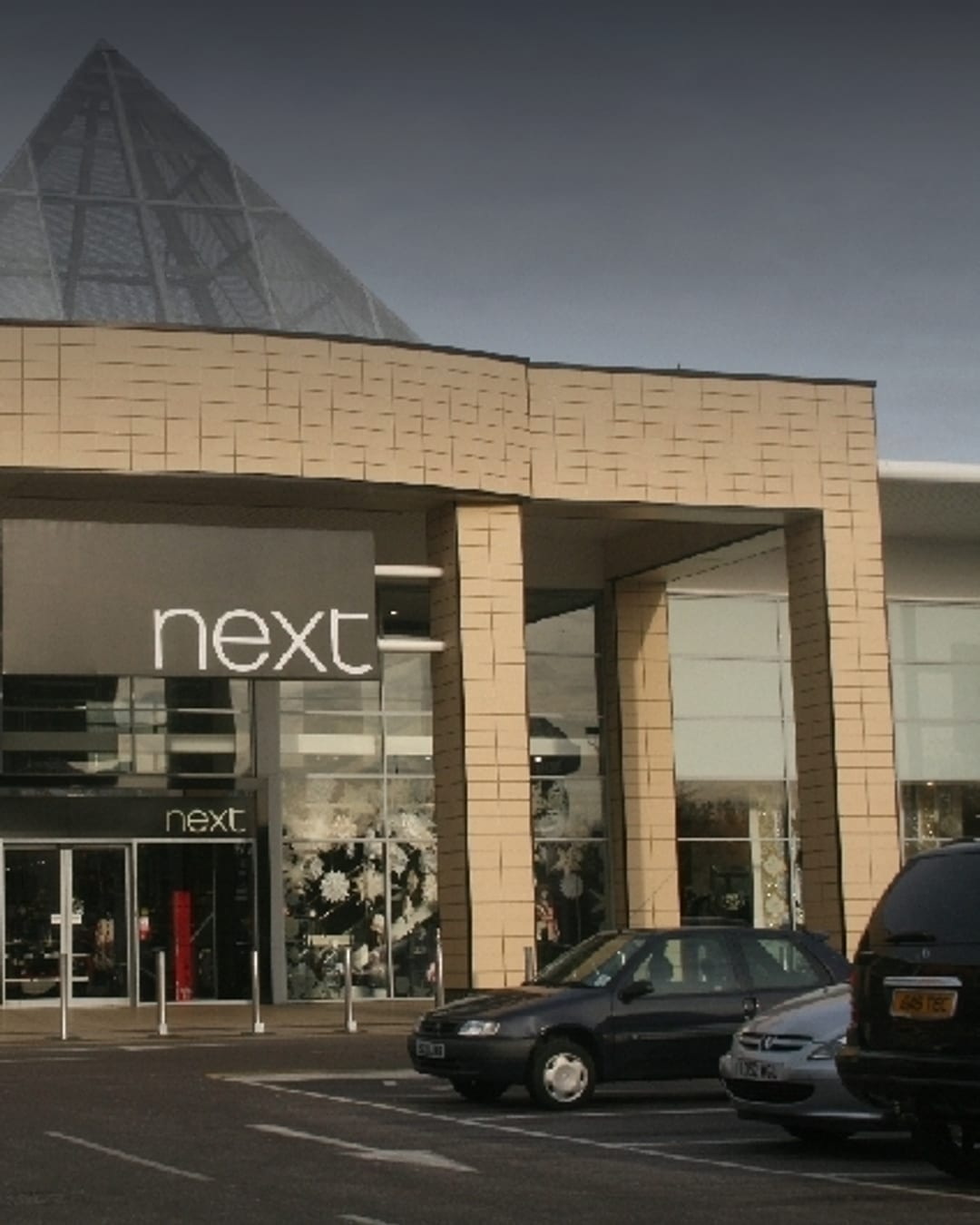 Image: Next store at Solent Retail Park, Havant — Basher Eyre / Wikimedia Commons.
The government response
The government rejected the idea that cutting pay for low-paid workers is the answer. A Treasury spokesperson said the national minimum wage increase had boosted pay for more than 200,000 young workers, and noted that employer National Insurance contributions are lower when hiring under-21s.
The BBC also quoted the government pointing to a £2.5 billion youth employment support package intended to create one million opportunities across the country.
Why it matters
This is a useful signal because it comes from a retailer that still depends on large numbers of shop-floor roles, while also being one of the stronger performers on the UK high street. Next recently raised its full-year profit expectations to £1.2 billion after first-quarter sales rose 6.2%, so the warning is not coming from a business in obvious distress.
The better read is that the entry-level labour market is being squeezed from several directions at once: weak growth, higher hiring costs, higher minimum wages, legal changes around flexible work, and technology that lets retailers operate with fewer staff per shop.
Wolfson’s political framing should be read as one side of that debate. The measurable part is clearer: Next says applicants per shop job have nearly doubled, and UK youth unemployment is far above the headline jobless rate.