

 Image: U.S. House of Representatives / Wikimedia Commons. Official portrait of Rep. Thomas Massie.
- Massie has pushed for broader release of Epstein-related Justice Department files and co-sponsored transparency legislation with Rep. Ro Khanna.
- He has said he was prepared to name redacted individuals on the House floor if needed, and later used House remarks to press DOJ on specific names from the files.
- The viral version — that he has a confirmed plan to read a broad “client list” before leaving Congress — is not backed by a clean primary statement reviewed here.
A claim spreading online says Rep. Thomas Massie plans to publicly read the names of Jeffrey Epstein’s alleged clients before leaving Congress.
The careful version is less dramatic and more useful: Massie has repeatedly threatened or signaled that he could use House floor protections to name people from Epstein-related records if the Justice Department keeps redactions in place. He has also already named individuals from the files while calling for investigations. But the viral wording turns that record into a firm, time-bound plan that has not been clearly verified.
What happened
Massie, a Kentucky Republican, has been one of the most visible congressional voices demanding more transparency around the Epstein files. He co-sponsored the Epstein Files Transparency Act with Rep. Ro Khanna, a California Democrat, and the two lawmakers reviewed unredacted material at the Justice Department earlier this year.
After that review, The Guardian reported that Khanna publicly named six wealthy men whose names he and Massie said had been redacted without clear justification. The outlet quoted Massie saying he was ready to name the six in Congress if needed, because he believed at least six men were “likely incriminated by their inclusion in these files.”
That is the strongest source trail behind the current viral claim. It shows a real willingness to name names. It does not, by itself, prove a scheduled plan to read a full “client list” before his final day in Congress.
The “before leaving Congress” part
The timing language gained force after Massie lost his 2026 Republican primary in Kentucky’s 4th District to Trump-backed challenger Ed Gallrein. AP, Politico, CNBC and others reported the defeat, leaving Massie with the remainder of his current term.
That lame-duck period is why social posts are now framing the Epstein issue as a final act. It is plausible political analysis. It is not the same thing as a direct Massie announcement saying, “I will read the list before I leave.”
What Massie has already done
Massie has not only talked about the issue. C-SPAN has a House floor clip titled “Rep. Massie Asks, ‘When Will We See Justice’ Following Latest Epstein Files Release,” describing him criticizing the lack of arrests and investigations after the release of millions of documents.
Separate coverage from The National Desk reported that Massie named three men from the Epstein files on the House floor and said the Justice Department should investigate them. That public act matters because it shows Massie is willing to use congressional speech to pressure DOJ. It still does not establish guilt for anyone named, and it does not convert every person appearing in the files into an Epstein “client.”
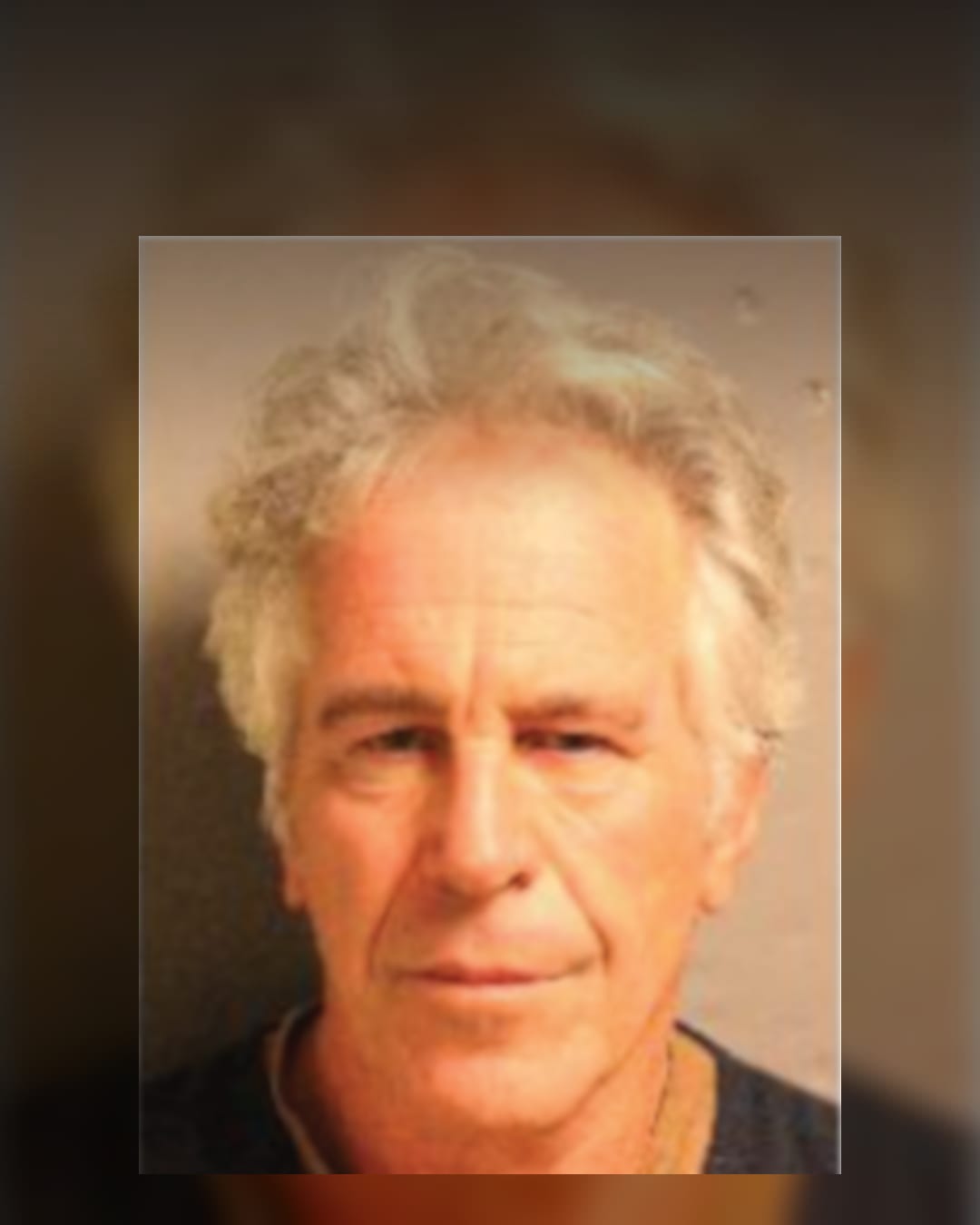 Image: New York State Division of Criminal Justice Services / Wikimedia Commons. Jeffrey Epstein mugshot used for public identification context.
The wording problem
“Epstein client list” is internet shorthand, not a clean legal category. Epstein-related records include accusers, witnesses, employees, visitors, associates, email contacts, flight records, law-enforcement references and people mentioned in depositions. Being named in a file is not proof of a crime.
That is why a source-check headline has to be narrower than the viral post. Massie’s verified position is transparency plus investigation. He has argued that names should not be hidden without good reason and that DOJ should pursue credible evidence. He has not publicly proven the existence of a single official list of “clients” ready to be read into the Congressional Record.
What to watch next
The next hard signal would be a primary-source Massie statement, a floor schedule, a new House speech, or additional DOJ releases. If Massie uses his remaining months to read more names on the House floor, that will be a real update.
Until then, the claim should be rated as partly grounded but overstated. The real story is that Massie has a documented history of pushing Epstein-file transparency and using congressional protections to name or threaten to name individuals. The unverified leap is the viral certainty that he has announced a final, scheduled public reading of “clients” before leaving Congress.
NoDechev rating: real background, overstated viral framing. Massie has pushed to expose names from Epstein-related files and has said he would read names if needed. A confirmed plan to read a broad “client list” before leaving Congress is not established in the public record reviewed here.
Ready social post
Viral claim: Thomas Massie will read Epstein “client” names before leaving Congress. Source check: Massie has pushed for unredactions, named individuals from the files, and said he would read names if needed. But a confirmed final “client list” reading is not established yet.
Read next: Trump Says There Is “No Rush” on Iran Deal