

 Image: Zohran Mamdani, September 2025 — Wikimedia Commons.
- Mamdani’s housing platform pledges 200,000 new rent-stabilized homes over 10 years.
- The policy describes them as publicly subsidized, permanently affordable and union-built.
- The pledge is real, but implementation depends on financing, land, approvals and construction capacity.
Zohran Mamdani’s housing platform says New York City should build 200,000 new rent-stabilized homes over the next decade.
The exact platform wording is narrower than many viral posts: it calls for tripling the city’s production of publicly subsidized, permanently affordable, union-built, rent-stabilized homes.
What happened
The claim is based on Mamdani’s “Housing By and for New York” policy page, which says that as mayor he would create 200,000 new units over 10 years by tripling the city’s production of publicly subsidized affordable housing.
That makes the viral version broadly accurate, but the policy is not simply “NYC will build” in the sense of a project already approved, funded and under construction. It is a governing pledge that still has to move through budgets, agencies and the housing pipeline.
What the plan says
The proposal centers on direct public investment. Mamdani’s campaign frames the homes as permanently affordable, union-built and rent-stabilized, aimed at low-income households, seniors and working families.
Coverage from The Architect’s Newspaper describes the pledge as a plan to triple affordable housing production and estimates the total cost at about $100 billion over 10 years.
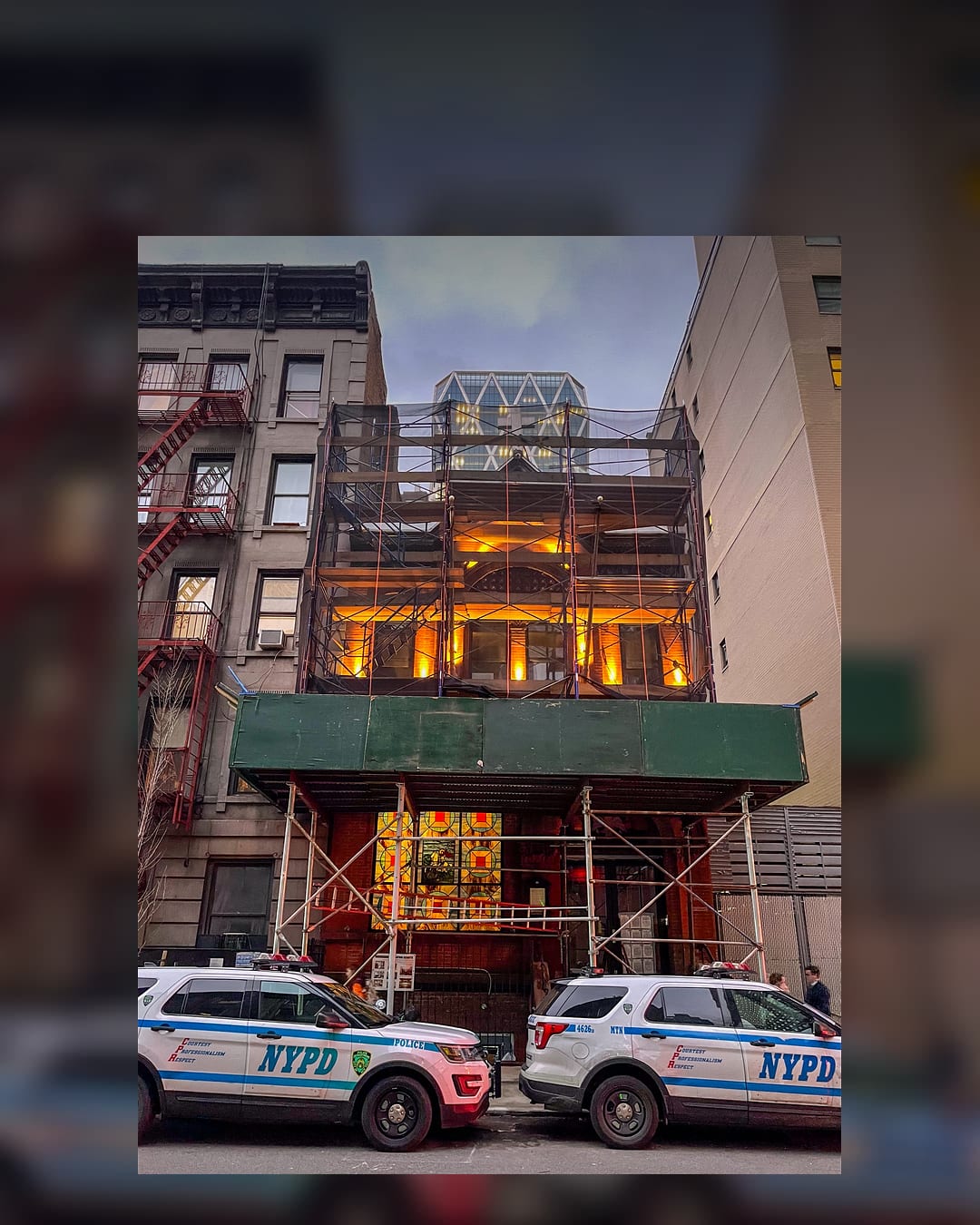 Image: New York City buildings and construction context — Wikimedia Commons.
Why it matters
New York’s affordability crisis is not a messaging problem. It is a supply, subsidy and rent-burden problem. Roughly seven in ten New Yorkers rent, and many households spend a large share of income on housing.
If implemented, 200,000 rent-stabilized homes would be a major intervention in the city’s housing market. But the scale also makes the bottlenecks obvious: financing, land acquisition, zoning, procurement, labor capacity and project timelines.
What to watch next
The key signal is whether the pledge becomes a funded capital plan with named sites, annual unit targets and agency accountability.
Watch for city budget language, bond proposals, NYCHA or public-land announcements, and whether the administration defines “rent-stabilized” and “permanently affordable” consistently across programs.
NoDechev rating: verified pledge, not completed delivery. The 200,000-unit number is real and source-backed, but it remains a policy target until funding and construction milestones are confirmed.
Why delivery is the hard part
Housing pledges are easy to state and difficult to execute. A target of 200,000 units requires money, land, permitting capacity, construction timelines and coordination across public agencies. The pledge is therefore best read as a policy direction until the campaign or administration attaches annual targets, site lists and funding mechanisms.
That distinction protects the reader from both overclaiming and dismissal. The number is real as a campaign promise. It is not yet real as delivered housing, and it should be judged by the milestones that follow.