

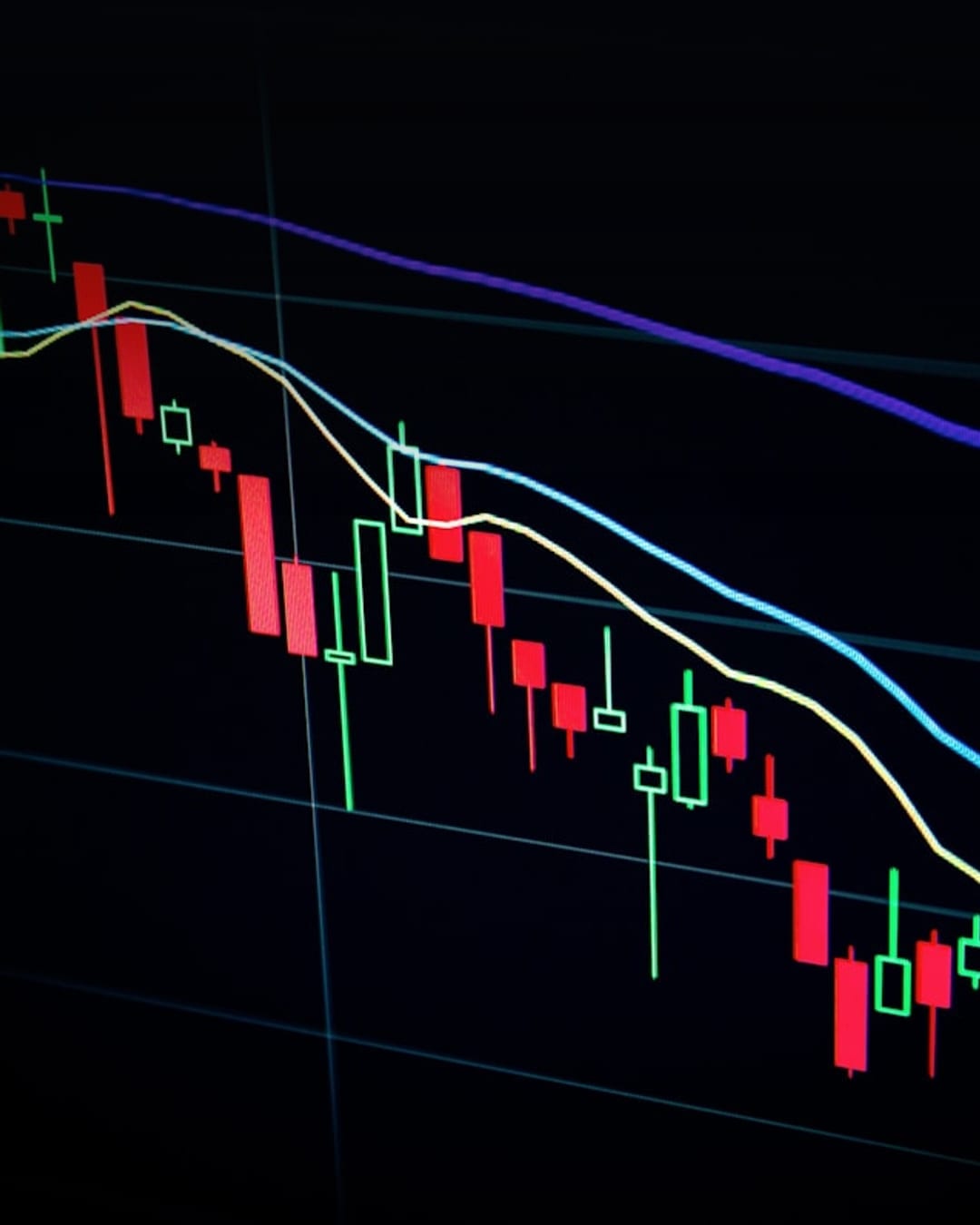
 Sources: U.S. Treasury TIC data
- Confirmed decline in total foreign holdings.
- Does not automatically prove panic selling.
- Country-specific claims need separate verification.
What happened
Foreign holdings of U.S. Treasuries moved lower in March after reaching a record level in February. The decline was notable enough to become part of a larger market conversation.
What the number means
A fall from about $9.487 trillion to $9.348 trillion is meaningful, but it does not automatically imply panic selling. Treasury positions move for many reasons: reserve management, currency needs, duration exposure, and policy shifts.
How to read it
The right read is not “everyone is dumping Treasuries.” It is: foreign holdings dipped, the largest holders matter most, and country-level claims should be checked against the underlying data.
Why it matters
When Treasury data becomes viral content, the nuance usually disappears first. NoDechev’s job is to keep the signal without turning it into market theater.
What the data can and cannot prove
The TIC data is useful because it gives readers an official baseline. It can show the reported level of foreign holdings and how that level changed from one period to the next. It cannot, by itself, prove the motive behind every move or validate every country-specific claim circulating on social platforms.
That distinction is important for market trust. A real decline can be used honestly as context, or it can be stretched into a story about panic, collapse, or coordinated dumping. NoDechev keeps those layers separate: first the number, then the source, then the interpretation, then the caveat.
What to watch next
The next check is whether later Treasury releases confirm the direction of travel and whether independent market reporting explains the drivers. If the data reverses, the viral narrative should change with it. If it persists, the story becomes stronger but still needs source-specific context.
Why readers should be careful
Foreign Treasury holdings are often used as shorthand for confidence in the United States, but the data is more technical than that. The tables can reflect custodial locations, currency-management choices, portfolio duration, valuation changes and normal reserve operations. A one-month decline is a signal to examine, not a complete explanation.
That is why NoDechev separates the fact of the decline from the story built around it. The official figure can support a cautious brief; it cannot support every viral claim about panic selling, geopolitical retaliation or a sudden collapse in demand.
For readers, the final test is repeatability: if later data and independent reporting support the same direction, the signal gets stronger; if not, the viral version should be corrected.
Bottom line: useful signal needs source context before it becomes a belief.
Want the clean version before it spreads?
Become a Member for sourced context on viral stories.
Join the brief →