

Quick read
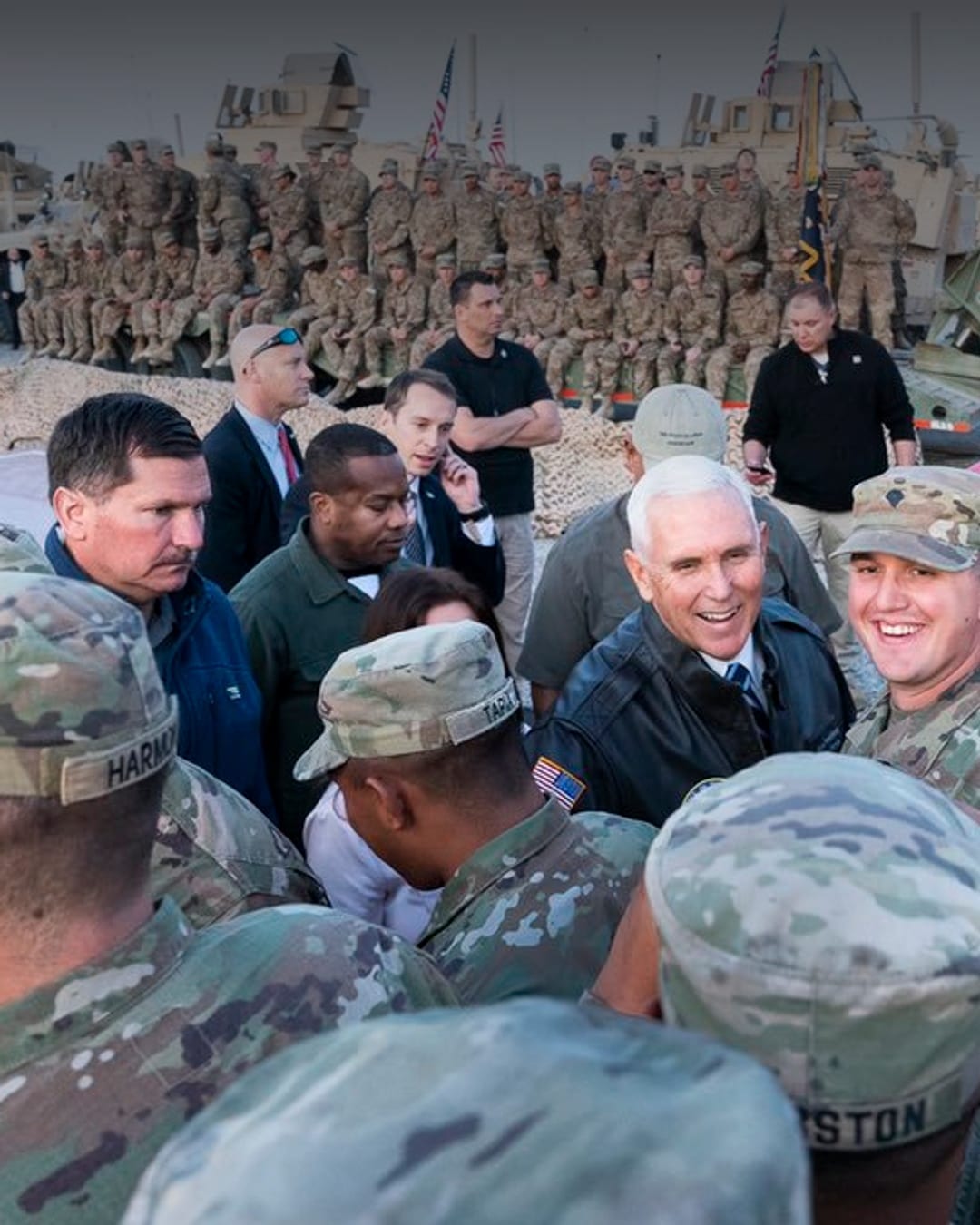
- The U.S. military says American troops and equipment completed an orderly departure from Irbil, northern Iraq.
- The strongest supported framing is the end of Operation Inherent Resolve in Iraq, the anti-ISIS mission that began in 2014.
- Kurdish officials warn the departure leaves air-defense and security concerns unresolved, while Iran-backed groups celebrated it.
What happened
The U.S. military says its withdrawal from Iraq is complete, closing the American-led wartime coalition mission against ISIS inside the country and shifting the relationship with Baghdad toward Iraqi-led security.
Pentagon spokesperson Sean Parnell said U.S. troops and equipment had completed an “orderly departure” from an air base in Irbil, in Iraq’s semi-autonomous Kurdish region, according to Associated Press reporting carried by U.S. News & World Report. Deutsche Welle separately quoted the Pentagon as saying: “Today, the United States and our Coalition partners formally concluded Operation Inherent Resolve in Iraq, consistent with the September 2024 US-Iraq joint statement and US national interests.”
That makes the core claim confirmed: the U.S. military says the last American troops have left Iraq under the Washington-Baghdad drawdown deal.
The caveat is the timeline. It is accurate to place the withdrawal in the long arc that began with the 2003 U.S.-led invasion of Iraq. It is not accurate to describe the U.S. presence as a single uninterrupted 23-year deployment. U.S. forces left Iraq at the end of 2011, then returned in 2014 after Iraqi authorities requested help against the Islamic State group.
What is confirmed
The confirmed endpoint is the Iraq phase of Operation Inherent Resolve, the mission launched after ISIS seized large areas of Iraq and Syria in 2014. AP and DW both quote the Pentagon framing the milestone as the conclusion of a 12-year campaign, with ISIS defeated as an organized military threat but not erased as a security problem.
Washington and Baghdad agreed in 2024 to wind down the mission. U.S. troops withdrew from bases in most of Iraq last year, according to AP, while a smaller presence remained in the Kurdish region until the final departure from Irbil.
Iraqi Prime Minister Ali al-Zaidi presided over the handover ceremony and called the withdrawal the beginning of a “new phase” built around sovereignty, state institutions and balanced partnerships. DW reported that Iraqi leaders declared Oct. 1, the day after the coalition departure, as Sovereignty Day.
The U.S. position is not that all security cooperation ends. DW reported that the Pentagon said it would continue targeted training and intelligence support to Iraqi partners. In public terms, that is a move from a wartime coalition mission to a more conventional bilateral security relationship.
What is not confirmed
The accessible reports do not give an exact final-day U.S. troop count. They also do not provide a directly fetchable official Pentagon statement URL through the available background tools; the Pentagon language is quoted by AP and DW.
The broader claim that this “ends a 23-year military presence” needs careful wording. The U.S. military presence in Iraq has two distinct chapters: the 2003 invasion and occupation, which ended with the 2011 withdrawal, and the 2014 return for the anti-ISIS campaign. This week’s announcement ends the latter mission inside Iraq.
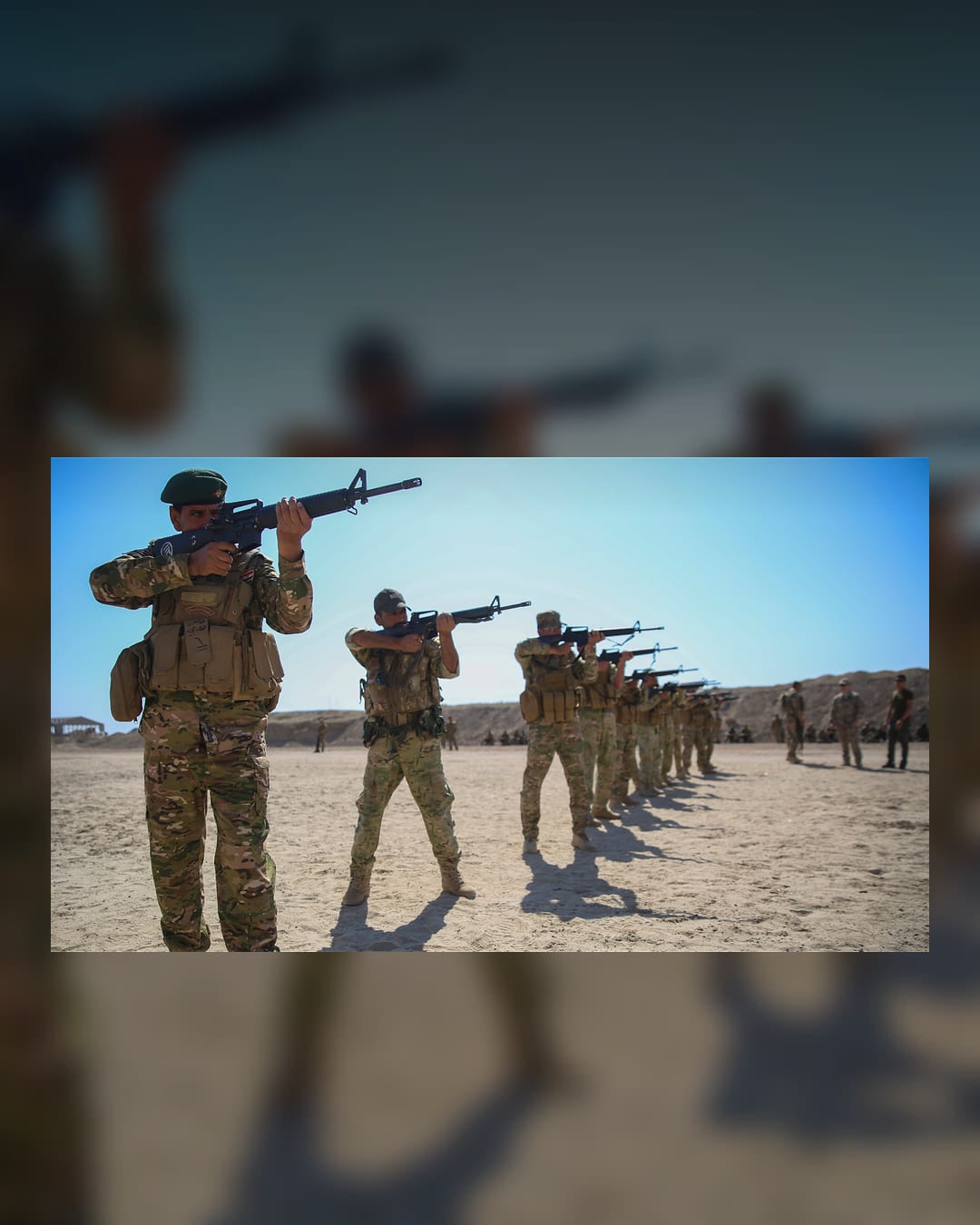
Image: Iraqi soldiers train with Task Force Al-Taqaddum during Operation Inherent Resolve in 2017 — Cpl. Shellie Hall / U.S. Marine Corps, public domain.
Why it matters
The withdrawal changes the security balance at a tense moment. AP reported concern in Iraq’s Kurdish region, where officials have worried about the removal of U.S. air-defense systems. The Kurdish regional government’s Peshmerga Ministry said the U.S. departure under complex regional circumstances, without the provision of a defense system, was “a matter of concern.”
Iran-backed groups, by contrast, celebrated the departure. AP quoted a Kataib Hezbollah security official describing the exit as the beginning of full sovereignty. Reuters reporting published by Military Times said Iraqi security experts fear the pullout could give Tehran-aligned groups more room while also raising the risk that ISIS cells try to exploit security gaps.
That does not mean a new crisis is automatic. Iraq’s security forces are far stronger than they were in 2014, and the U.S. presence had already been scaled down. But the departure removes a visible American military backstop from a country still balancing ties with Washington, Tehran, Kurdish authorities and armed groups outside full state control.
What to watch next
The first test is whether Baghdad can keep pressure on ISIS cells while managing disputes with militias that resisted disarmament. The second is whether the Kurdish region receives replacement air-defense arrangements or other support after the U.S. exit from Irbil.
The third is diplomatic: whether the promised “normal” U.S.-Iraq security relationship stays limited to training and intelligence support, or whether regional conflict pulls Washington and Baghdad back into a more direct military arrangement.
NoDechev rating
CONFIRMED with caveat. The withdrawal is confirmed, but the cleanest framing is the end of the 12-year anti-ISIS mission in Iraq, not a continuous 23-year U.S. deployment.