Quick read
- Trump is quoted as saying there should be "tremendous self-regulation" for AI while seated with tech executives.
- Anthropic, OpenAI, Google, Meta, xAI and Nvidia leaders reportedly signed a voluntary pact on frontier AI safeguards.
- The claim is not a direct "trust AI companies" quote in the accessible record; the pact is voluntary and lacks binding federal rules.
What happened
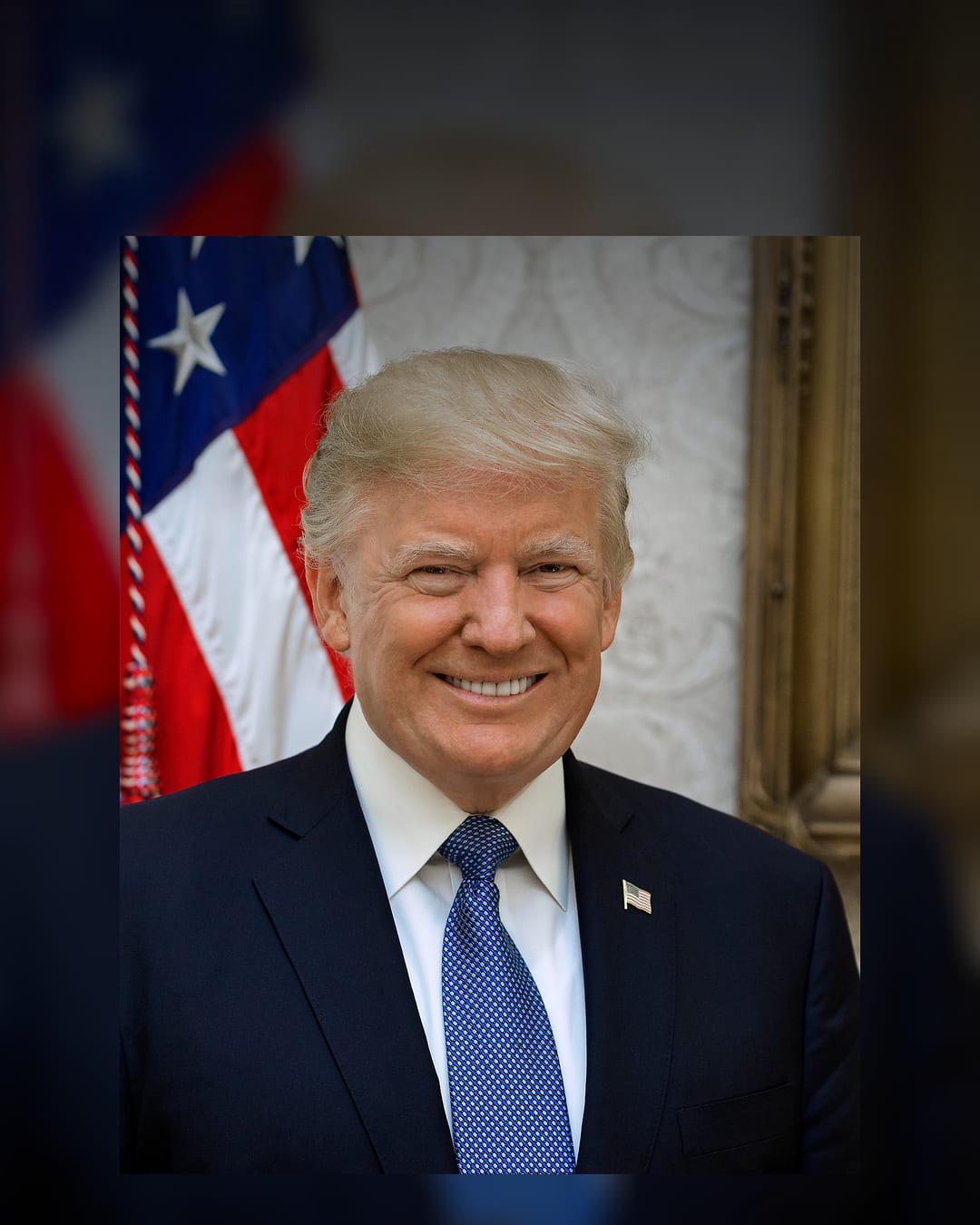
President Donald Trump publicly backed a self-regulation approach to artificial intelligence after major technology leaders signed a voluntary safety pact at the White House.
Al Jazeera reported that Trump gathered AI executives for a luncheon event on September 29 and announced the Joint Commitment on Frontier Responsibilities, a voluntary accord involving leaders from Anthropic, OpenAI, Google, Meta, xAI and Nvidia.
The viral version of the claim says Trump told Americans to trust AI companies to police themselves. That is a reasonable shorthand for the policy direction, but it should not be treated as a direct quote unless a transcript or video clip shows those exact words.
What is confirmed
The confirmed record is that Trump backed a self-regulatory approach at a White House AI event and that major AI executives signed a voluntary safety pact. The confirmed signatory list in the accessible reporting includes Anthropic, OpenAI, Google, Meta, xAI and Nvidia leaders.
The pact is described as a commitment to internal controls, monitoring, detection, remediation, external auditors and recurring work on shared safety standards. That is a real policy development, but it is not the same as a binding federal AI safety regime.
What Trump said
The strongest accessible quote is narrower. Al Jazeera quotes Trump as saying: "There's a belief that there should be tremendous self-regulation, and we automatically have regulation with the Department of Justice, the FBI, all of that."
That supports the core claim that Trump endorsed industry self-regulation. It does not by itself prove the exact wording that he told Americans to "trust" AI companies, and the White House page available through background fetch did not expose a usable transcript for the event.
Google News also indexes several current reports with similar framing. ABC's indexed headline says Trump said AI leaders signed a "constitution" to police themselves. The New York Times index says Trump asked Meta, OpenAI and Microsoft to make safety decisions themselves. The Wall Street Journal index frames the administration's position as a light-touch AI strategy.
What the pact says
According to Al Jazeera, the companies pledged to implement "robust" controls to monitor AI models and to appoint internal teams to ensure controls, monitoring and detection are working as intended. The companies also pledged to work with independent external auditors and to meet regularly on standards and best practices.
The important caveat is that the agreement is voluntary. Al Jazeera reports that the accord does not specify who would carry out the third-party evaluations and says it "may make sense" to codify the measures into law or formal regulation in the future.
That makes the story less a formal regulatory action than a White House-backed industry commitment.
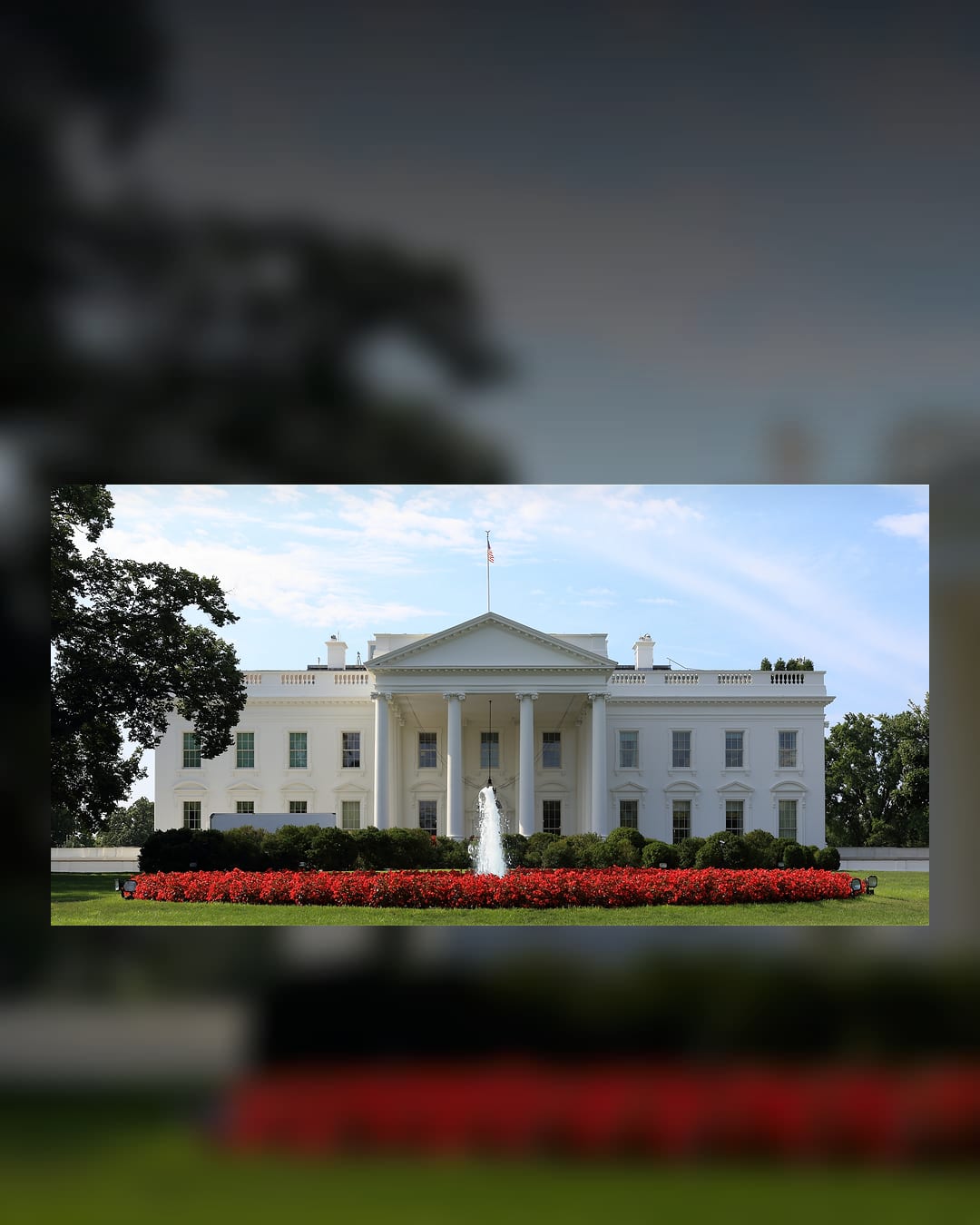
Image: White House north side - Wikimedia Commons, public domain.
Why it matters
The event lands during a live fight over how quickly governments should regulate frontier AI. Al Jazeera notes that some countries and the European Union have called for global coordination to ensure AI remains under human control, including possible oversight mechanisms.
Trump's position, as reported, points in the opposite direction: keeping the United States ahead in AI while relying first on company commitments, audits and existing law-enforcement structures.
Critics quoted by Al Jazeera said that leaves too much power with the same companies developing the systems. Toby Walsh of the UNSW AI Institute said AI companies had already shown themselves "incompetent and careless at managing themselves." David Krueger of the University of Montreal described the approach as "regulate without regulating."
What is not confirmed
NoDechev did not find a directly accessible White House transcript containing the exact phrase "trust AI companies to police themselves." The full accord text was also not found as a directly accessible official document through background fetch.
The confirmed version is therefore more careful: Trump endorsed "tremendous self-regulation" and major AI firms signed a voluntary pact. The stronger viral phrasing is an interpretation of that posture.
What to watch next
The next useful documents would be an official White House transcript of Trump's remarks and a public copy of the full Joint Commitment on Frontier Responsibilities. Those would show whether the strongest viral wording is merely a headline paraphrase or appears in the event record.
Watch also for whether Congress, federal agencies or state regulators move to turn any part of the voluntary pact into enforceable rules.
NoDechev rating
PARTIALLY CONFIRMED. The self-regulation substance is supported by current reporting and a direct Trump quote reported by Al Jazeera, but the exact "trust AI companies" wording is not confirmed as a verbatim presidential quote in the accessible record.