Quick read
- Zelenskyy told the UN General Assembly that Ukraine had sent two North Korean POWs to South Korea.
- South Korea's presidential office says Ukraine disclosed the transfer despite a confidentiality understanding and wants an explanation and apology.
- Ukraine disputes the secrecy claim, saying it reported only the fact of the transfer.
What happened
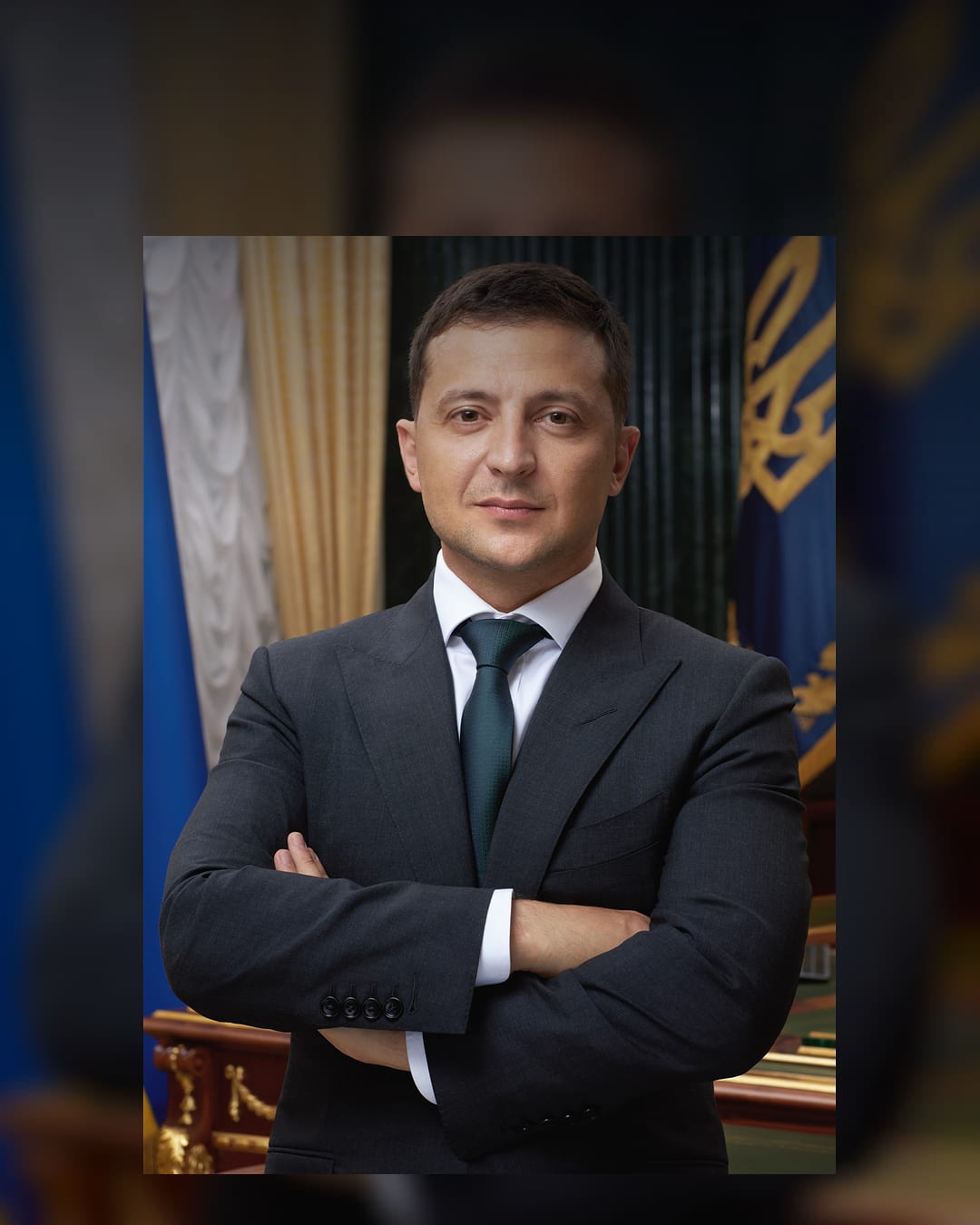
South Korea's presidential office has demanded an official explanation and apology from Ukraine after President Volodymyr Zelenskyy publicly said Kyiv had transferred two North Korean prisoners of war to South Korea.
The dispute began after Zelenskyy told the United Nations General Assembly that Ukraine had "sent two North Korean prisoners of war to the Republic of Korea." The UN's meeting coverage says he raised the case while warning that North Korean troops fighting for Russia show how the war's consequences are spreading beyond Ukraine.
Seoul's complaint is not that the prisoners were received in South Korea. It is that the transfer was made public. Al Jazeera quoted Seong Ghi-hong, senior presidential secretary for public relations, saying the presidential office expressed "strong regret" over Ukraine's unilateral disclosure and its later denial that a nondisclosure agreement existed.
What is confirmed
The public disclosure is confirmed by the UN General Debate page and by reporting from Al Jazeera on Zelenskyy's 24 September remarks. Zelenskyy said the two men had been captured while fighting for Russia and described one of them as having tried to kill himself when he realized he was being taken prisoner.
Al Jazeera reported on 27 September that South Korea's presidential office demanded an official explanation and apology. It also reported that Seoul says the two governments had discussed the prisoners through several channels and that Ukraine had requested secrecy because disclosure could cause domestic criticism in Ukraine over losing a possible exchange asset.
South Korea says it accepted confidentiality because of security, diplomatic and humanitarian concerns, including the safety of the prisoners and their families.
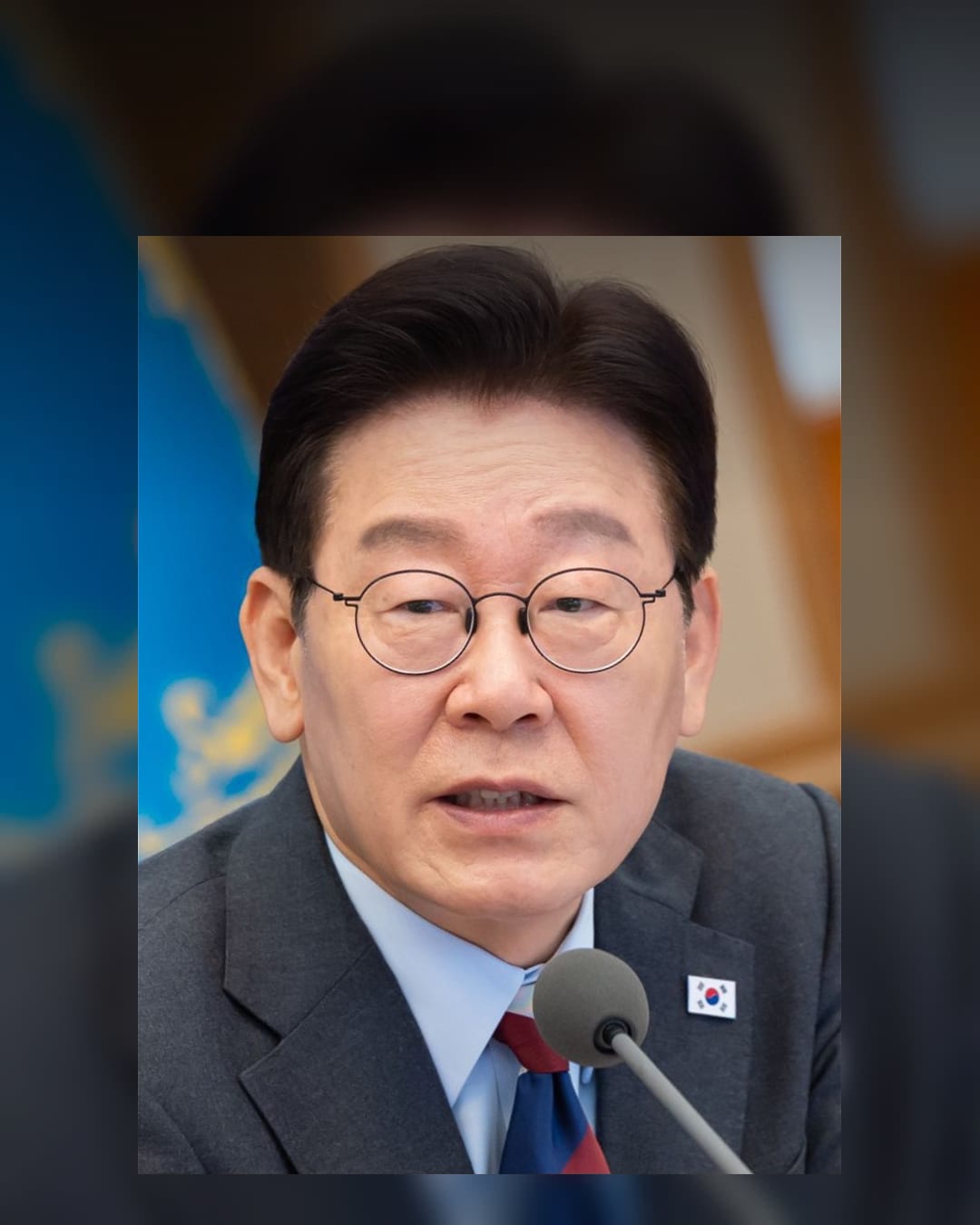
Image: President Lee Jae Myung - Republic of Korea / Korea.net / Wikimedia Commons, attribution and share-alike terms on Commons
What is not confirmed
The exact written basis for the confidentiality claim has not been made public in the accessible record. South Korea says there was a nondisclosure understanding. Ukraine disputes that account.
Zelenskyy aide Dmytro Lytvyn told journalists, according to Al Jazeera, that Ukraine is "an open country" and that it would have been strange to hand over the soldiers in secret. He said Ukraine reported only the fact that the men were sent to South Korea.
That leaves the central factual caveat: the transfer and apology demand are verified, but the existence and scope of a confidentiality agreement remain contested.
Why it matters
The row sits at the intersection of Ukraine's war, North Korea's deployment of troops to support Russia, and South Korea's security calculations. Kyiv wants to highlight North Korea's role in the war and the human cost of Pyongyang sending its citizens to fight abroad. Seoul has to weigh that message against the safety of defectors, POWs and relatives who may remain under North Korean control.
The case is also diplomatically awkward because South Korea has been a key partner in pressure against Russia and North Korea. A public breach-of-trust dispute risks distracting from the larger issue both governments say they oppose: North Korean military support for Moscow.
What to watch next
The next test is whether Seoul limits the response to public criticism or takes additional diplomatic measures. South Korea has said it is reviewing further steps if needed, but no concrete penalty has been confirmed.
Another question is whether either government releases a fuller record of the talks that preceded the transfer. Without that, the public record supports the transfer, the disclosure and Seoul's anger, but not a final conclusion on who accurately described the confidentiality arrangement.
NoDechev rating
CONFIRMED with caveat. Zelenskyy's disclosure and South Korea's demand for an explanation and apology are supported by the available record. The secrecy agreement itself is disputed and should be attributed to Seoul, not stated as settled fact.