

Quick read
- Reuters says it saw a Russian diplomatic note warning NATO against any attempt to isolate Kaliningrad.
- The reported warning said Russia would be ready to use its full arsenal, including nuclear weapons, in that scenario.
- There is no evidence in the available record that NATO has announced a blockade or isolation operation against Kaliningrad.
What happened
Russia has warned NATO that it would be ready to use nuclear weapons if alliance countries attempted to cut off Kaliningrad from the rest of Russia, according to a Russian diplomatic note reported by Reuters.
The warning was not published as a public Russian document. Reuters reported from Brussels on September 30 that it had seen the Russian non-paper sent to NATO, and that NATO responded in writing. That makes the core claim publishable, but with an important caveat: the evidence available in open sources verifies the warning through Reuters' account of a non-public document and NATO's reported response, not through a document posted by Moscow or NATO.
Reuters reported that the note accused the alliance of pursuing a "dangerous and reckless course" and warning of a high risk of direct armed conflict.
What is confirmed
The most serious line, quoted by Reuters, said Russia would be ready to use "the entire arsenal of forces and capabilities at its disposal, including nuclear weapons" if NATO countries attempted to isolate the Kaliningrad region from the rest of Russia.
Kaliningrad is a Russian exclave on the Baltic Sea, separated from mainland Russia and bordered by NATO members Poland and Lithuania. Its geography has made it a recurring flashpoint in Russia-NATO security discussions, especially since Russia's full-scale invasion of Ukraine.
Reuters also reported comments from Kremlin spokesman Dmitry Peskov describing recent Russian embassy statements as reminders to "hotheads in Europe," according to republished versions of the agency's report.
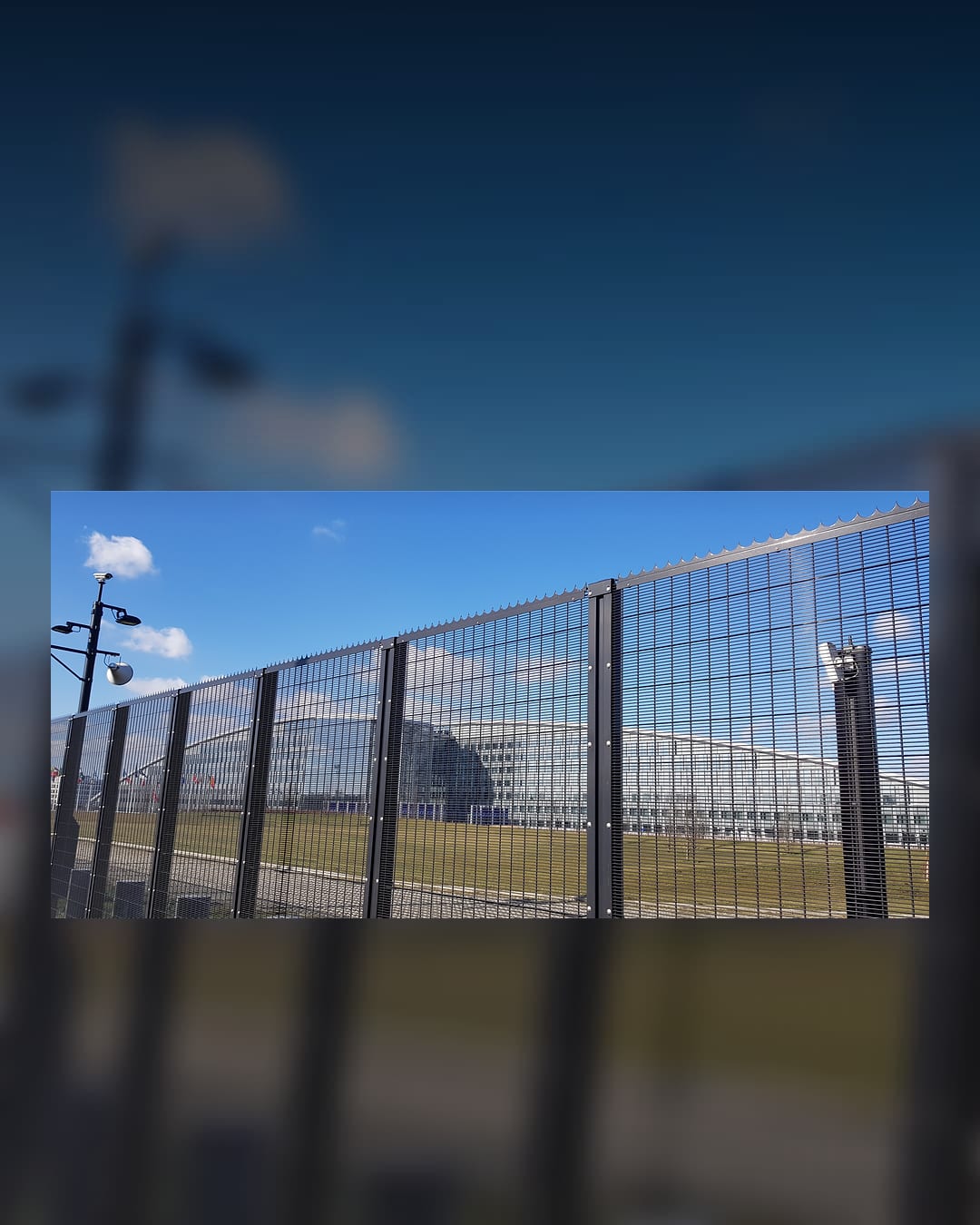
Image: Brussels NATO headquarters — Romaine / Wikimedia Commons, CC0
NATO's response
Reuters said NATO replied that the alliance is defensive, that its exercises and activities do not threaten Russian territory, and that Russia should stop its invasion of Ukraine and cease irresponsible nuclear rhetoric.
StratNewsGlobal, citing the same Reuters reporting, said NATO spokesperson Allison Hart confirmed that Russia had sent a non-paper, while NATO did not publicly disclose the full contents.
The public record available so far therefore confirms the diplomatic dispute and the reported content of the warning through Reuters, but it does not provide a public original that can be checked line by line.
What is not confirmed
No public copy of the Russian non-paper was located during this review. That limits what can be independently checked line by line from open sources.
The warning also does not show that NATO has begun or announced a plan to cut off Kaliningrad. The reported language is tied to a hypothetical scenario, and the article should not be read as evidence of an imminent NATO blockade or an imminent Russian nuclear decision.
The exact internal Russian decision-making behind the warning is also not visible from the public record.
Why it matters
Kaliningrad is strategically sensitive because it sits between NATO territory and the Baltic Sea. Russia has long treated the exclave as a major military position, while NATO members in the region have increased defence planning and exercises after Russia's war against Ukraine.
That makes nuclear rhetoric around Kaliningrad particularly dangerous. Even if framed as deterrence, warnings of nuclear use can raise the risk of miscalculation, especially when they involve military movements, exercises, airspace incidents or transit disputes in a compact region.
Reuters also cited analyst Nikolai Sokov warning about the risk of miscalculation as tensions rise.
What to watch next
The next question is whether either side publishes the documents. A public Russian text or a full NATO reply would allow a clearer assessment of the exact wording and legal framing.
It also matters whether Moscow repeats the warning through official public channels, such as the Kremlin, foreign ministry or defence ministry, and whether NATO changes its Baltic posture or simply treats the note as another instance of nuclear signalling.
NoDechev rating
CONFIRMED with caveat. The warning is reliably reported through Reuters' access to a non-public Russian diplomatic note and NATO's reported response. The public evidence does not include the original non-paper, and it does not prove an imminent blockade or imminent nuclear use.