

Quick read
- Russian records and news indexes show the diesel export restriction has been extended through October 31, 2026.
- The broader fuel package has included marine fuel and gas oils, and current Russian indexes also use the diesel-and-marine-fuel wording.
- The newest full decree text was not directly extractable, so the exact exemption list should be treated cautiously.
What happened
Russia has extended a temporary export restriction on diesel fuel through the end of October, according to current Russian news index records and multiple outlets tracking the government decision.
The strongest current record is an Interfax-indexed headline saying the government extended the diesel-fuel export ban for producers until October 31. Other Russian-indexed reports, including Klerk, Alta-Soft, Rosbalt, Realnoe Vremya and Marketpower, point to the same new one-month extension. One current Klerk-indexed item frames the measure as a ban on diesel and marine fuel through the end of October 2026.
That wording fits the official government chronology visible in the Russian government site's own search records. On July 30, the government site listed a measure introducing a new temporary export ban on gasoline, diesel fuel, marine fuel and gas oils. On August 29, the same official search record listed decree No. 1097 as extending the restriction on diesel fuel, marine fuel and gas oils exported by direct producers through September 30.
What is confirmed
The confirmed core is narrower than the viral wording. Russia has been using temporary fuel export restrictions in 2026, and the current reporting trail says the diesel restriction has been pushed to October 31.
The record also supports that marine fuel belongs to the same fuel-control package. The previous government item explicitly covered marine fuel and gas oils, and a fresh September 30 index record describes the new extension as covering diesel and marine fuel through the end of October.
The measure is best described as an extension or reissue of a temporary export restriction. It is not a permanent ban, and the available records point to scope differences between direct producers and other market participants.
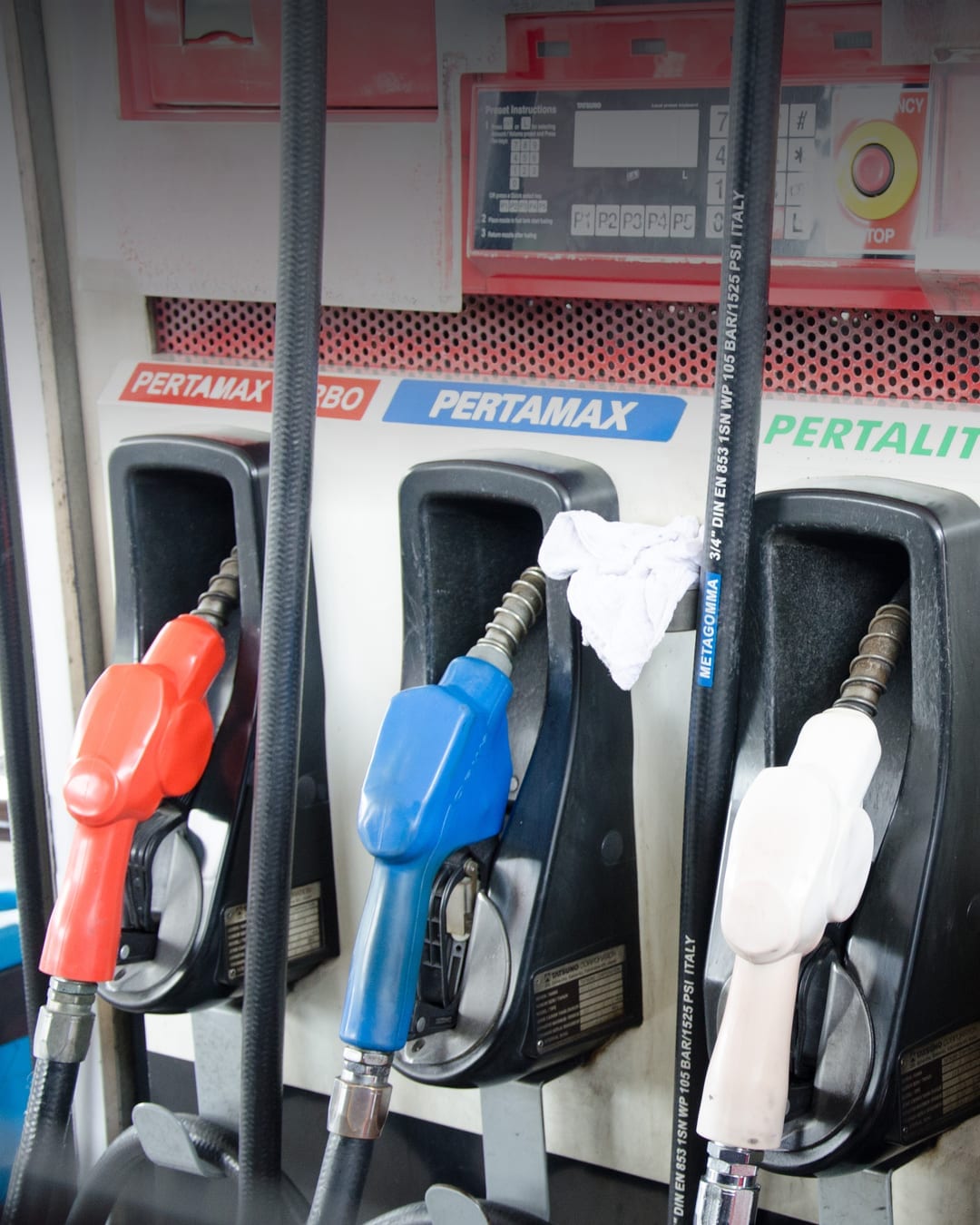
Image: fuel pump products including diesel — Henri Aja / Wikimedia Commons, CC BY-SA 4.0
What is not confirmed
The newest full Russian government decree or article text was not directly extractable through background fetch at publication time. That means the article should not claim full visibility into every customs code, exemption or carve-out in the September 30 decision.
It is also not safe to say that all refined petroleum exports from Russia are banned. Earlier versions of the measure included exceptions and category-specific rules. The current record is strong for diesel, supported for marine fuel, and incomplete for the full legal architecture.
Why it matters
Russia's fuel-export controls are a signal of pressure inside the domestic fuel market. Moscow has repeatedly used export restrictions to keep refined products at home when supply, prices or refinery operations are under strain.
Diesel is especially important because it feeds trucking, farming, military logistics and industry. Marine fuel adds a shipping dimension, affecting bunkering and regional fuel flows. Even a temporary extension can matter for neighboring buyers and traders who watch Russian refined-product availability.
The move also lands against a wider backdrop of refinery disruptions and war-related pressure on Russia's energy system. Export bans do not prove a shortage by themselves, but they are a policy tool governments use when domestic supply is politically or economically sensitive.
What to watch next
The next key document is the full published government decree or a complete official government article confirming the exact product list, dates and exemptions. If the text shows the same wording as the current indexes, the verdict can move closer to fully confirmed.
Watch whether the ban is lifted at the end of October, extended again, or broadened. Traders will also look for whether Russia changes export permissions for producers, non-producers, pipeline-linked shipments or supplies to allied markets.
NoDechev rating
PARTIALLY CONFIRMED. The diesel extension through October 31 is strongly supported by current Russian records. Marine fuel is supported by the prior official government scope and current indexes, but the latest full decree text was not directly extractable.