
Quick read
- Putin signed a new decree setting Russia's armed forces at 2,441,630 authorized positions.
- Reports quoting the decree say the total includes 1,550,500 service members, up 15,500 from the previous July ceiling.
- The order changes the authorized staffing ceiling; it is not the same as a public mobilization order or proof that the added posts are already filled.
What happened
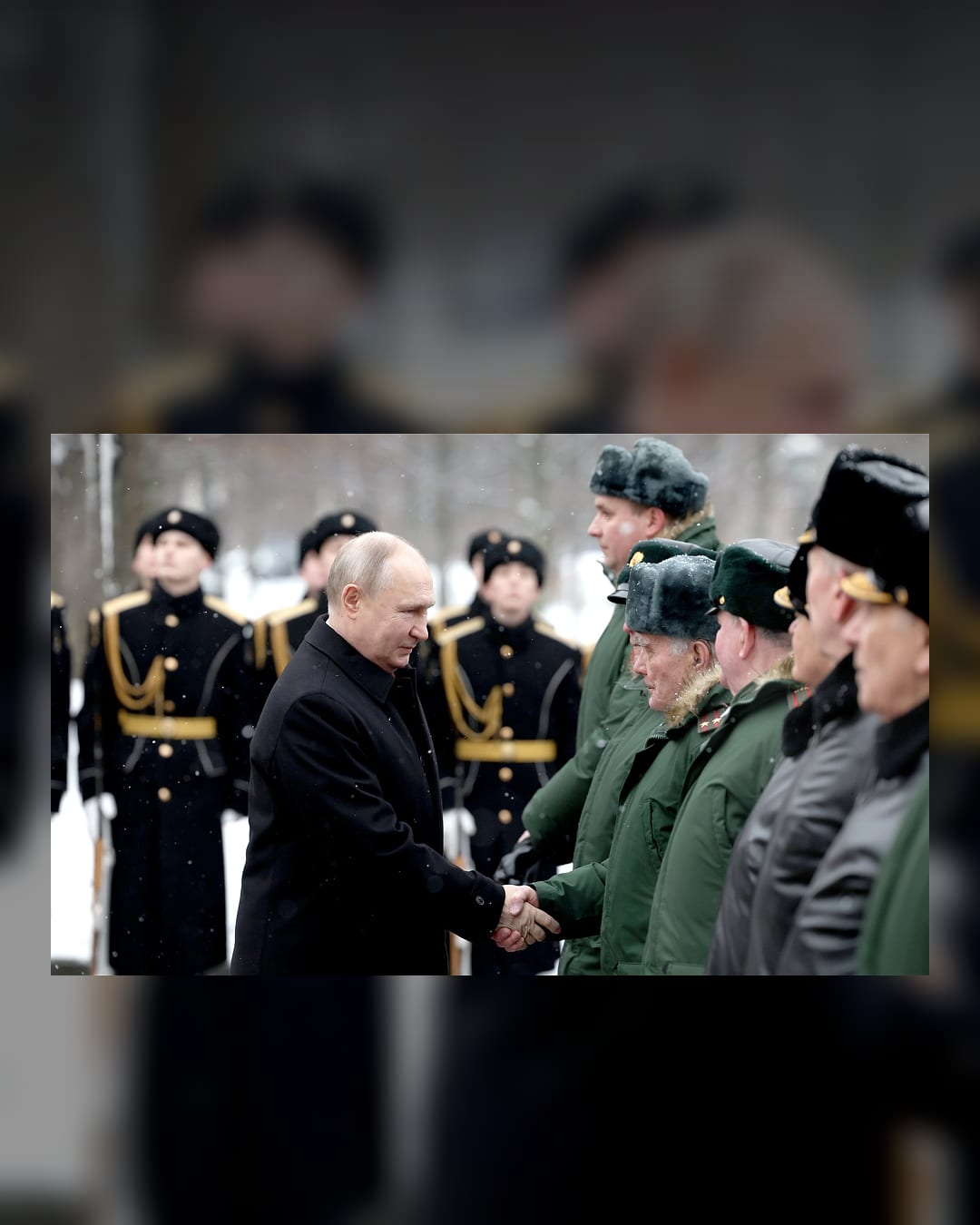
Russian President Vladimir Putin signed a decree increasing the authorized staffing strength of the Russian Armed Forces, according to the Kremlin's own announcement and Russia's official legal publication record.
The Kremlin posted a short notice on 28 September saying the head of state had signed a decree "On establishing the staffing strength of the Armed Forces of the Russian Federation." The same decree appears on Russia's official legal information portal as Presidential Decree No. 700, publication number 0001202609280040, also dated 28 September.
Accessible reports that quote the decree give the new authorized total as 2,441,630 positions, including 1,550,500 service members. RTVI reported that the decree took effect immediately and said it raises the total by 15,500 compared with the previous July ceiling of 2,426,130 positions, including 1,535,000 service members.
That means the latest change is best described as an increase in the authorized size of the armed forces, not a direct count of troops currently deployed in Ukraine or elsewhere.
What is confirmed
The existence of the decree is confirmed by two official Russian records: the Kremlin announcement and the official legal portal entry. The legal portal identifies the act as Presidential Decree No. 700 of 28 September 2026, titled "On establishing the staffing strength of the Armed Forces of the Russian Federation."
The numerical details are supported by several accessible reports that quote the decree and link back to the legal portal. RTVI quotes the operative line as setting the Armed Forces at 2,441,630 positions, including 1,550,500 service members. Meduza reports the same figures and describes the move as adding 15,500 positions. SOFX also reports the same ceiling and says the order took effect the day it was signed.
RTVI adds one useful distinction: the civilian component appears unchanged at 891,130 positions, so the reported increase is in service-member posts. That distinction matters because the Russian decrees usually set total authorized structure, not only combat troops.
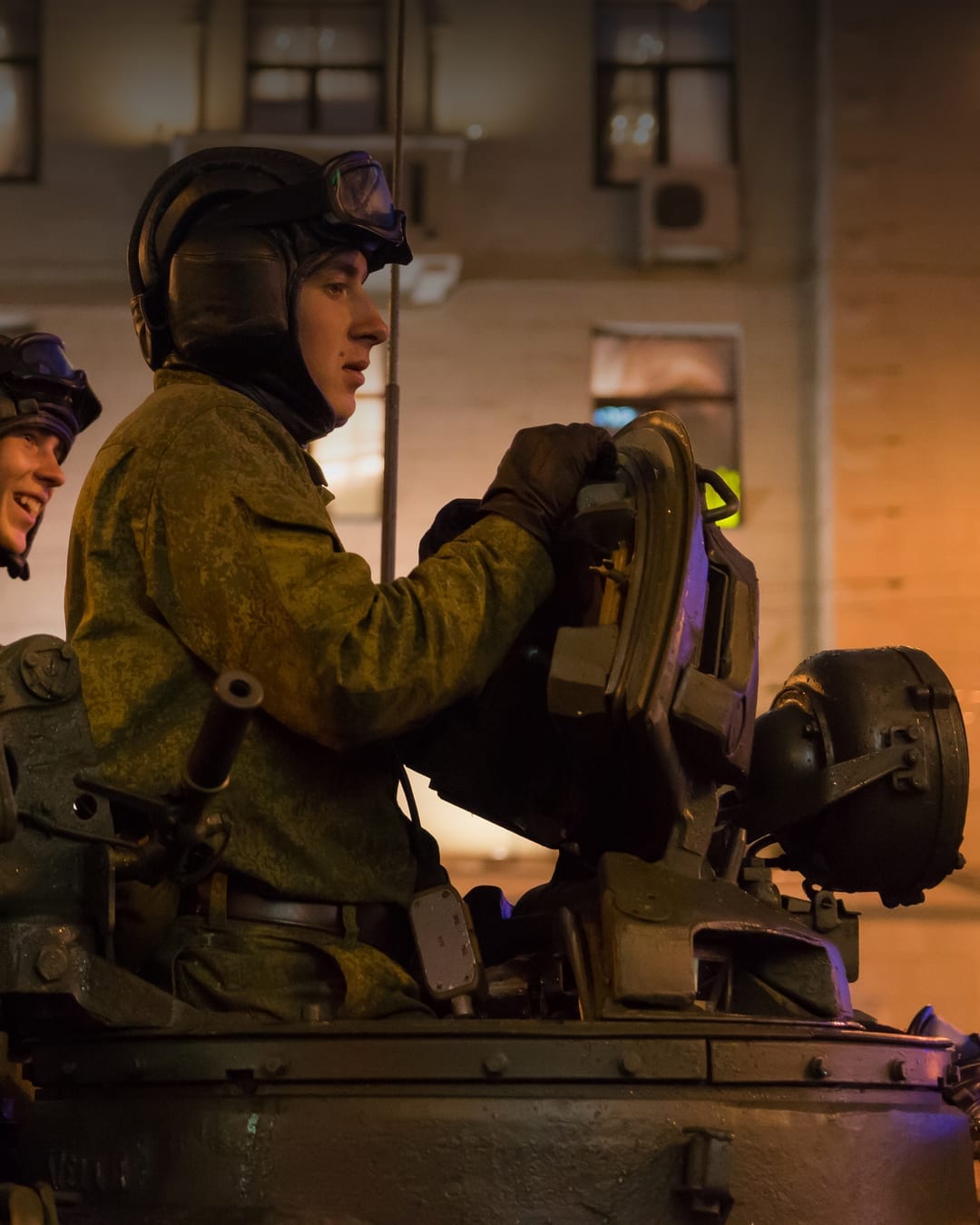
Image: Russian tank crew during a Moscow Victory Day parade rehearsal — Vyacheslav Argenberg / Wikimedia Commons, CC BY 4.0.
What is not confirmed
The decree does not by itself prove that Russia has already recruited, trained, equipped, or deployed 15,500 additional personnel. It creates or updates an authorized ceiling and instructs the government to fund it.
It is also not the same as a public general mobilization order. Ukrainian officials and analysts have separately warned that Russia is increasing recruitment through multiple channels, including foreign recruitment, but those claims sit outside the decree itself and require their own sourcing.
The legal portal page available through background fetch showed the decree title, number, publication date and metadata, but not readable OCR text of the decree body. For that reason, the exact figures in this brief rely on multiple accessible outlets quoting the decree text while linking back to the official publication.
Why it matters
Russia has repeatedly expanded the formal size of its armed forces since the full-scale invasion of Ukraine. Meduza says this is the fourth increase in seven months, following changes in March, June and July 2026. RTVI counts it as another step in a longer series of wartime expansions that began after February 2022.
The latest increase is smaller than the largest earlier wartime expansions, but it still signals continuing pressure to widen the military's formal manpower base. That pressure comes as Russia tries to sustain a long war, rotate units, replace losses and maintain forces across a broad front.
The numbers should be read carefully. Authorized strength is a bureaucratic and budgetary ceiling. It says what the state is permitting and funding. It does not prove actual combat strength, morale, training quality or available equipment.
What to watch next
The next signals will be budget allocations, recruitment measures, regional sign-up payments, conscription-cycle language and any further decrees changing the staffing table. If Russian officials pair the decree with new recruitment targets or mobilization rules, that would change the interpretation.
For now, the verified fact is narrower: Putin has signed a decree raising the formal authorized strength of the Russian Armed Forces to more than 2.44 million positions, including just over 1.55 million service members.
NoDechev rating
CONFIRMED. The decree exists and the reported staffing numbers are consistently quoted by multiple accessible reports tied to the official legal publication. Main caveat: an authorized staffing ceiling is not proof of immediate deployed strength or a public mobilization order.